UniteBoston

Bridging Divides Across Christians for the Flourishing of the City

  • Home
  • Events
    • Submit Event
  • Join In
    • Beloved Community Lab
    • Migrant Care and Solidarity
    • The Church and Civic Engagement
    • The ATTIC
    • Kingdom Conversations
    • Worship & Pray
    • Boston Flourish
  • About
    • UB Board, Staff & Volunteers
    • Cohorts
    • Missional Letter
    • Annual Reports
    • History
    • Christian Unity
  • Forums
  • Blog
  • Give to UniteBoston
  • Contact
  • Search

Aug 01 2024

Disability Justice and the Church Sometimes I ‘Just’ Need a Ride

Jesus told us that when we have a banquet, we should invite the poor, crippled, the lame and the blind (Luke 14:13-23), yet would these neighbors feel welcomed and desired in our churches today? 

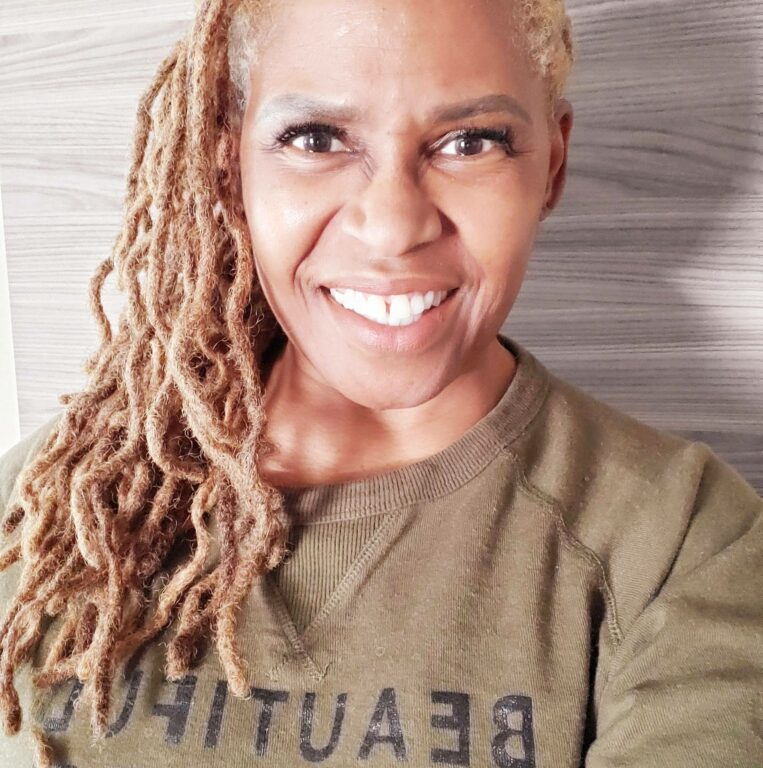
We are honored to have Maggie Austen as our guest blogger this week, in the wake of July’s Disability Pride Month. Last month, Maggie called a group of leaders together to have a conversation on Ableism, Racism and the Church with Dr. Lamar Hardwick. Maggie is a member of Reality Boston and describes herself as a “daughter, sister, friend, neighbor, and attorney.”

 Below, Maggie takes us into a real-life scenario that she faces and invites us to consider how we might show God’s welcome to those in our community that society has failed, ignored, excluded, or abandoned.
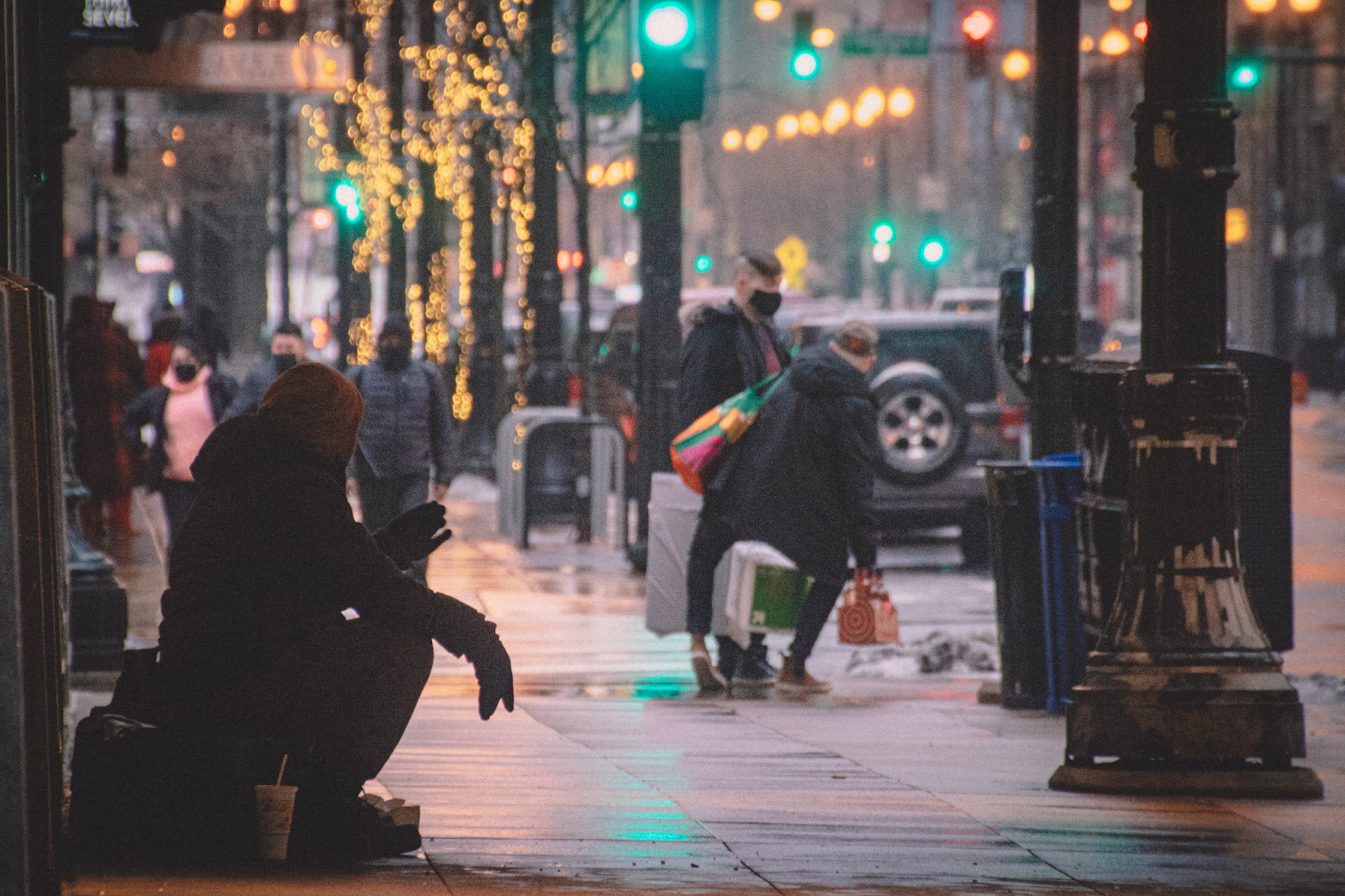

(ID: Rainy city sidewalk, left foreground includes a silhouetted person crouched on the sidewalk and center midground includes shoppers on the curb with some parcels.)

One steamy morning this July, I stood red faced, with two full bags of groceries in my cart, on the curb in front of a local grocery store. I am legally blind, born (in September 1990) with underdeveloped optic nerves, severely impacting my visual acuity and depth perception. Importantly, I do not drive. You might ask, like many youngsters in grocery store check out lines, “how are you going to get your groceries home?” Most days I harness my guide dog, walk the mile to the store, purchase only the amount I can carry, and walk the mile (uphill) back home. 

This sticky July morning, my trip to the store was a bit more unexpected. So I was a little further from home, it was a lot hotter than I realized, and I had purchased more than I could carry. So I pulled out my phone and requested an Uber, the cost of which would be subsidized by the MBTA’s Ride Pilot program. When the driver arrived, he took one look at my red vested, German shepherd service dog and said NO, he would not take the dog (which means he wasn’t taking me either). You thought my face was red before.

I tried to argue, tried to explain that the law and Uber’s policies required him to take me and my service dog (a scenario I do generally try to avoid for just this reason). Another shopper stopped and tried to explain it to him too. Despite my best legal arguments (Did I mention I am an attorney by trade?), the driver just wasn’t going to take me home.

I eventually made it home. A friend had come shopping with me so thankfully she was able to take me, my service dog, and my bags of groceries home. For me, this was allyship in action, that felt akin to the friends in Mark 2 lowering the paralyzed man down through the thatched roof to be healed by Jesus.
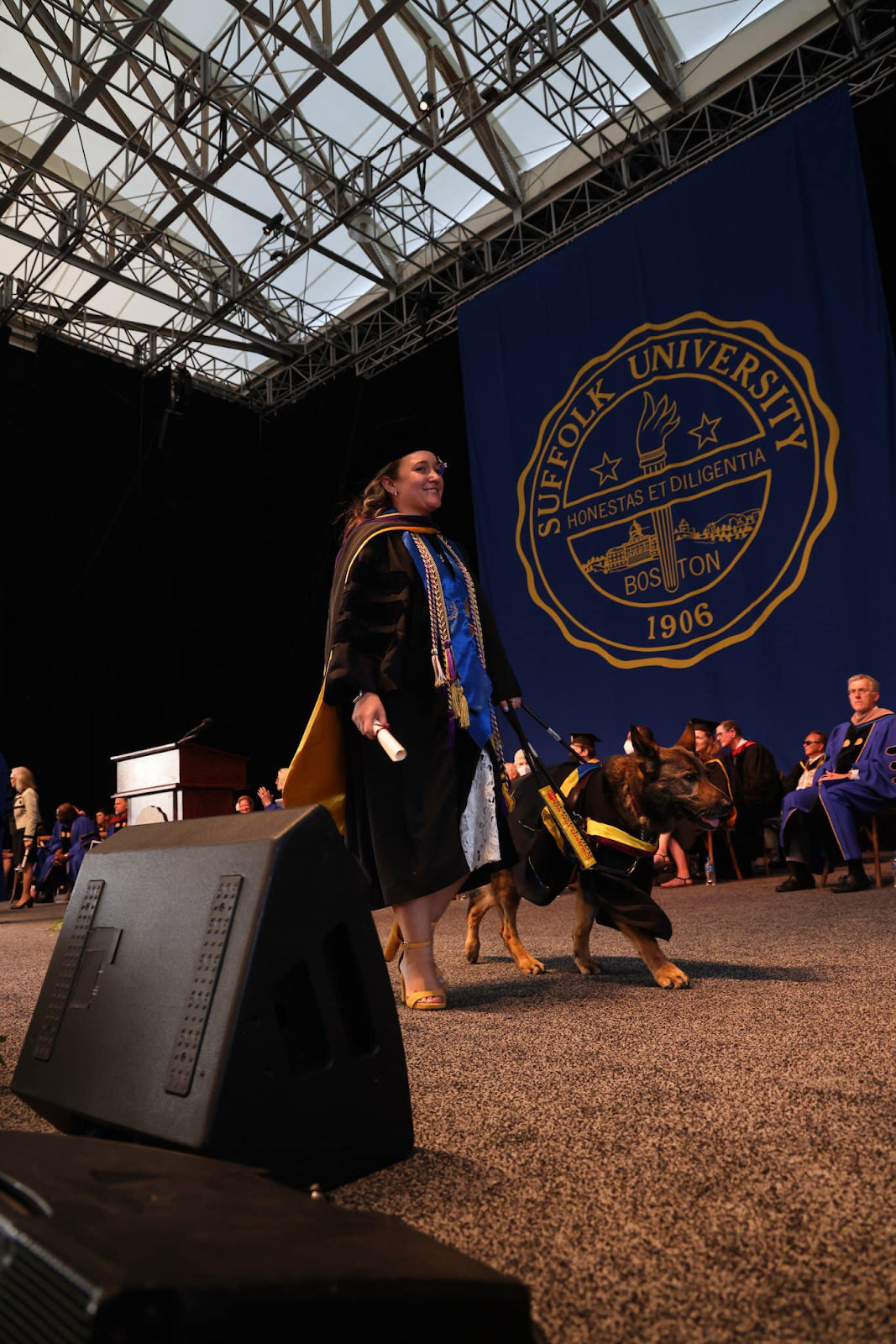
(ID: Maggie and guide dog O’Bella, both dressed in Juris Doctorate graduation regalia, cross the stage.)

I wish I could say being excluded because of my abilities was rare, that it didn’t happen that often. Yet in 2022, JetBlue wouldn’t let my service dog and I on a flight home because I hadn’t submitted the proper paperwork in time (a symptom of the new ACAA regulations – thank you emotional support peacocks). I fought to get the accommodations I needed to take the Bar Exam, and enter a profession I had studied for years to achieve. I stayed unemployed for months after graduating law school and passing the bar, while my classmates and colleagues all started meaningful work in our field. 

I hope it does not seem like I am complaining, I am simply telling it as it is. Oftentimes the people who need something the most (like a simple ride home from the grocery store), are the one’s denied or excluded.

What does this have to do with church unity? 

I think, like me, Jesus was disabled. Jesus was fully God, and fully man (Luke 4:1–13). Yet Jesus chose a physical existence that likely limited, or disabled, some of his holy abilities. Jesus was beaten and crucified, and when he rose from the grave, his resurrected body bore the marks of his injuries (John 20:27-29). (For more theology on a disabled Jesus, and disability liberation, see Nancy L Eiesland’s The Disabled God or Chapter 6, p. 101, of Dr. Lamar Hardwick’s How Ableism Fuels Racism). 

Somehow when I am standing there, red faced and frustrated, not sure how I am going to get home with my groceries, it is a disabled Jesus that meets me there. A Jesus who lived in a society where the laws allowed him to be betrayed, beaten, abandoned, and sentenced to death, just for being who God created him to be. A society where Jesus healed the blind, the lame, the deaf, and the sick – because otherwise they were usually ignored, excluded, abandoned, and ostracized. 

But Jesus’ disabled body is also his resurrected body. A body marked by the brutality of an exclusive, inaccessible, and opportunistic society and yet capable of more than we can ask or imagine (Ephesians 3:20). 

Today, the Church in Boston has the opportunity to BE the resurrected body of Jesus in our city; the opportunity to do whatever it takes (like making a hole in someone’s roof, Mark 2:4, or dealing with some left behind dog hair in your Uber) and help our disabled friends and neighbors meet Jesus. 

Consider who in your community has society failed, ignored, excluded, or abandoned. Who is standing on a curb in our city, with their baggage and their anger, and their disabilities on display for all to see – and just needs a ride home? 

What could you and your Church do?

Besides the obvious, coordinating rides to church for elders or other participants that do not drive a car, there are many other ways your community can BE the resurrected Jesus and DO disability justice (Micah 6:8). 

  1. Create Social Stories, ‘Know Before You Go,’ or ‘What to Expect’ content for your website and events. Using easy read / plain language, pictures (w/ alt text), and/or videos to help people with disabilities know what to expect before attending your service or event could be an incredibly inclusive addition to your marketing strategy. 
  2. Provide Sensory Bags that families can check out during your services or events or provide fidget toys to allow participants with sensory processing disabilities a way to stay engaged. 
  3. Design sensory friendly spaces at your services and events, areas where guests know they will not be hugged or touched, or areas where overstimulated brains can rest and re-engage. 
  4. Involve your congregation and community. 1 in 4 Americans have a disability, they are already going to your church and in your community. Invite them to be a part of an inclusive advisory counsel that has real change-making authority.   
  5. Celebrate Disability Justice landmarks as a community, i.e. April is Autism Awareness Month (4/2 is light it up blue), July is Disability Pride Month (7/26 is the ADA’s Birthday), October is National Disability Employment Awareness Month, and many more. 
  6. Do your research, then do the work. My suggestions end here, because now it is your turn. Get on google, find some reputable resources, ask your community, and stop leaving us on the curb. 

Disclaimer: The links provided on this blog are for informational purposes only. While we strive to ensure that the content of external websites linked to is accurate and relevant, we cannot guarantee the completeness, accuracy, or reliability of these external sites. The inclusion of a link does not imply endorsement of the linked website or its content by us.
Written by uniteboston · Categorized: Blog, Disability Justice, RESOURCES · Tagged: boston, community, home, jesus, unity

Jul 18 2024

UB’s Third Annual BIPOC Spectacle Island Retreat

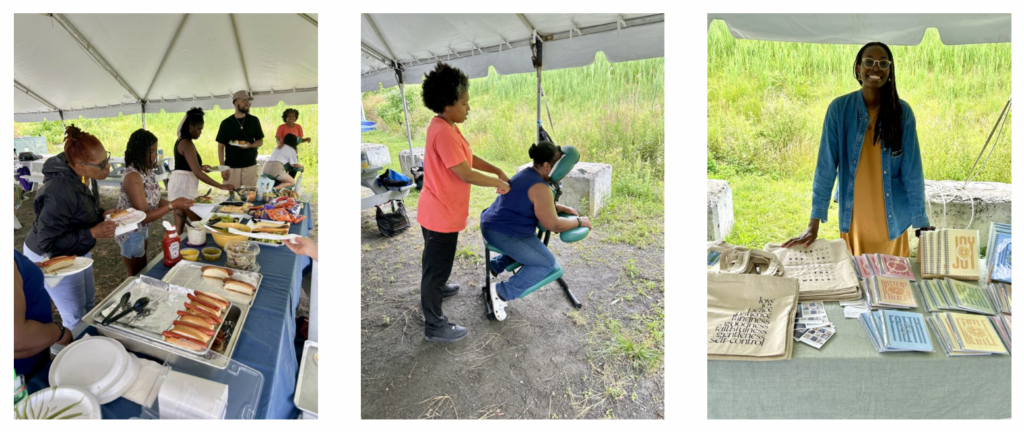
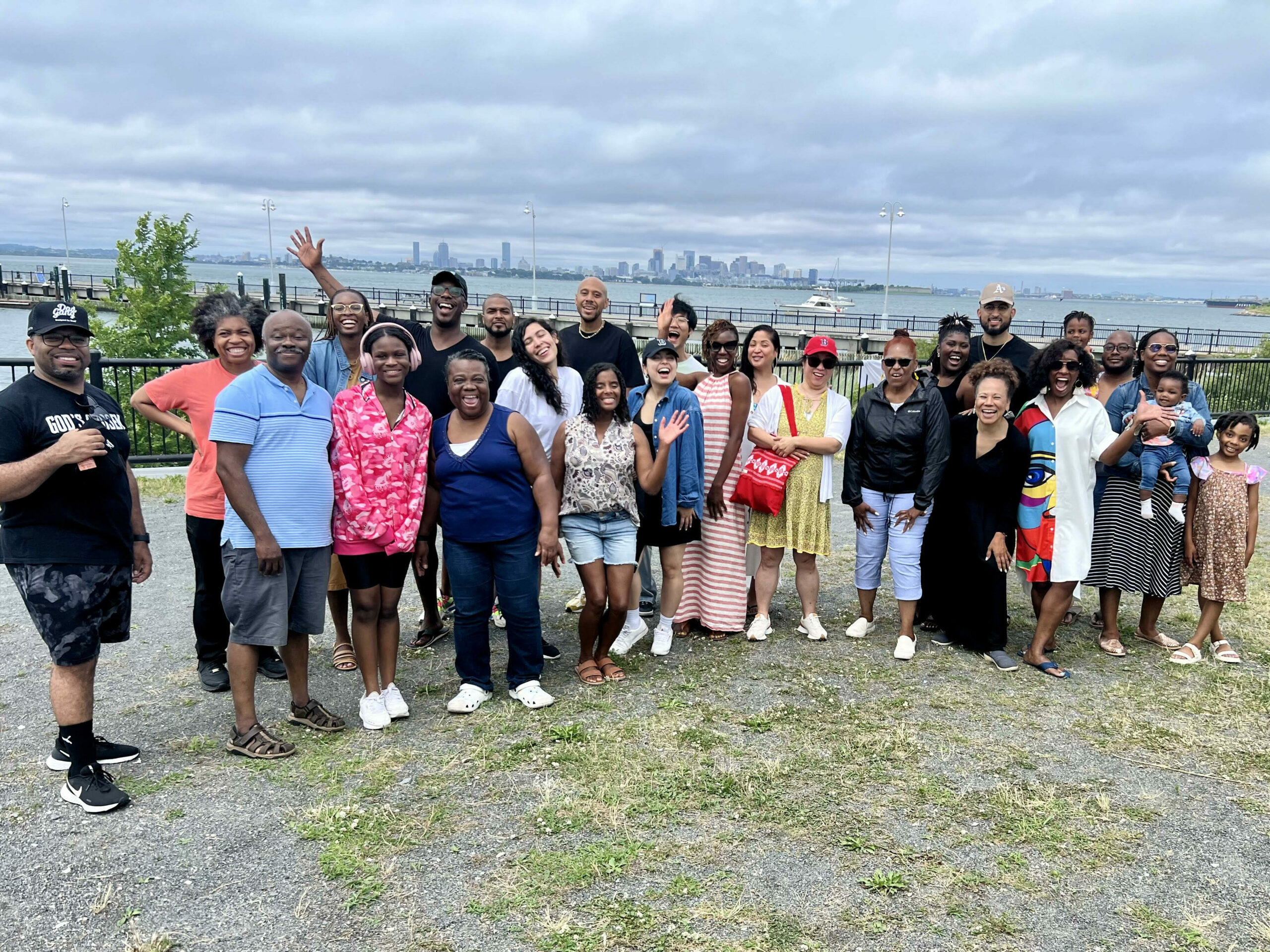
During the July 4 weekend, 28 of us gathered for our third UB Island BIPOC Retreat Day, an unforgettable experience filled with joy, reflection, and community. Thank you to everyone who joined us on Spectacle Island in the Boston Harbor. It was a blessing to spend the day with friends new and old as each of us left feeling rejuvenated and inspired in the presence of God and one another.

“But those who hope in the LORD will renew their strength. They will soar on wings like eagles; they will run and not grow weary, they will walk and not be faint.” – Isaiah 40:31

From the moment we set sail on the boat, the energy was palpable. Rev. Devlin kicked off the day with a heartfelt devotional focused on laying our burdens down. This time of reflection set a peaceful tone, reminding us of the importance of rest and renewal amidst our busy lives.

Gifts for the Retreat Attendees
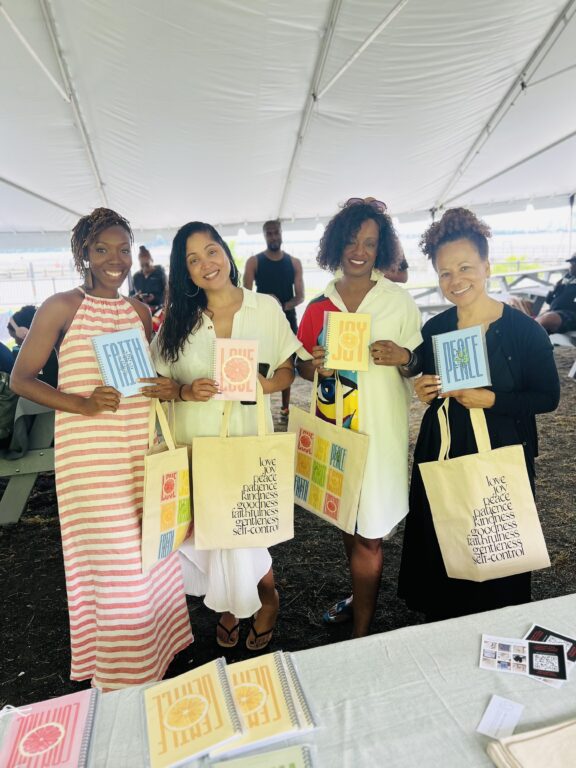
Joyce, Carolina, Remi and Yovanny
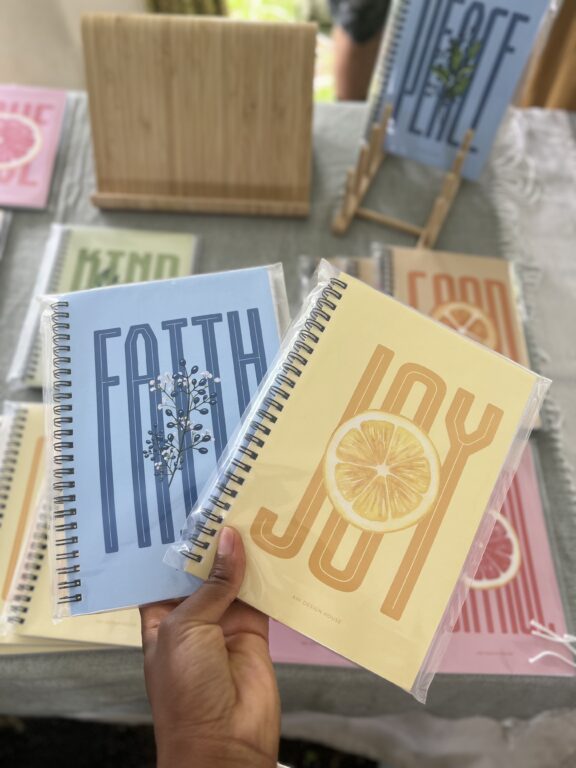
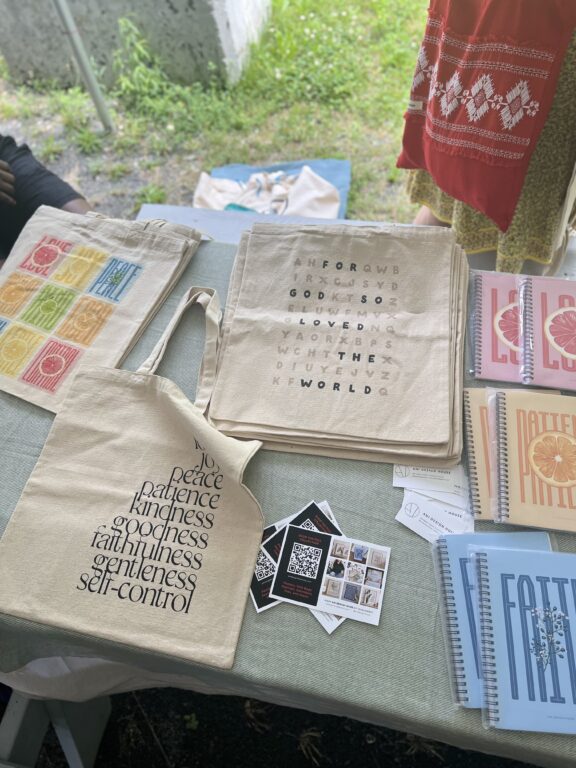
Journals by Ani Design House

One of the highlights was our collaboration with Ani Inoyo, local Christian entreprenuer and founder of Ani Design House. Ani Inoyo provided the beautiful gifts that added a touch of elegance to our gathering. Be sure to check out Ani Design House and explore her incredible range of products. Share your purchases and tag them on social media: @AniDesignHouse

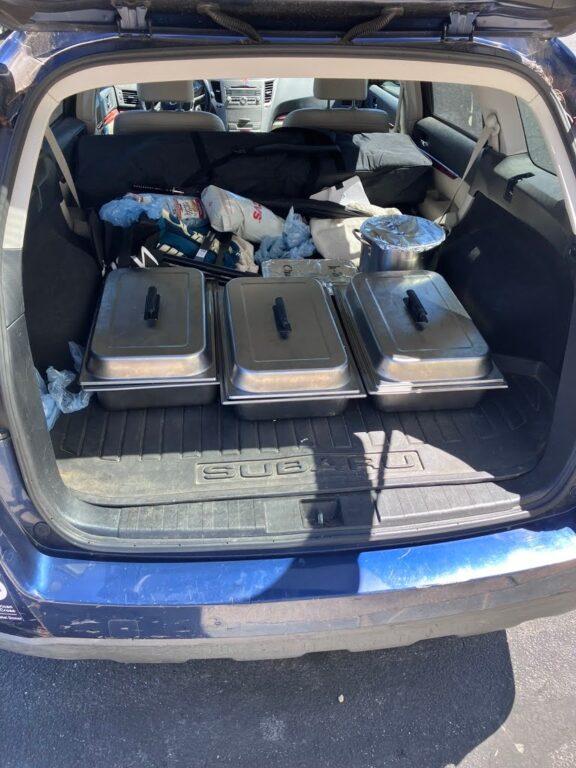
Our day was also filled with fun and relaxation. Stiggity Stackz once again brought their freestyle dance battles, infusing the retreat with vibrant energy and creative expression. We enjoyed beach games, massages, and a delicious catered lunch that allowed us to connect and savor the company of friends old and new.

The retreat was not just about relaxation but also about coming together as a circle of restoration. The work of reconciliation can be exhausting, and this intentional space was created for BIPOC leaders involved with UniteBoston to focus on self-care and foster deeper connections. Participants shared how enriched and refreshed they felt after this day-long retreat.

What did the attendees think of the retreat?

This retreat was wonderful and it’s exactly what I needed. My time of rest incorporated spending time at the beach and then watching and listened to the dancers. It was wonderful to connect with other creatives since my community of artist has gotten much smaller. – Joyce Fombah

“I am moved by the love that goes into planning a day of respite for dozens of relative strangers, and I am grateful to have attended this year’s retreat. The generosity of those who gave up their Saturday to serve and care for relative strangers blessed my soul. I enjoyed meeting so many amazing folks and seeing whole families come out for a day of recreation. The gift from Ani Design House was a pleasant surprise. Thank you, Ani! And thank you, UniteBoston and your wonderful team of volunteers!” –  Pastor Valerie Copeland, Pastor of Neighborhood Church – Dorchester.

Written by uniteboston · Categorized: Blog, EVENTS & YEAR HIGHLIGHTS, Racial Justice · Tagged: community, peace, reconciliation, uniteboston, unity

Jul 09 2024

Jesus Needs a Place for the Day

Amidst the number of new immigrant and refugee families arriving to our city, many churches are opening their doors and hearts to serve and care for our new neighbors. One of these churches is St. Michael’s Episcopal Church in Milton with Pastor Hall Kirkam, which served as a day shelter site for many of our new community members from Haiti. 

Read below to hear Pastor Hall’s reflection on the experience and how they have lived out Jesus’ call to welcome the ‘least of these.’

P.S. While the state has asked IFSI to pause on day center services until further notice, there are two urgent opportunities for congregations to serve our new neighbors:

  1. Coordinating a Neighborhood Support Team, with up to $10k grant funding for teams that apply by 7/31
  2. Coordinating an Intensive English class with IFSI, where churches provide space and volunteers for a three to six hour session so individuals can practice English towards job readiness. Contact Sheldine Jean-Baptiste to set up a call to discuss the details!

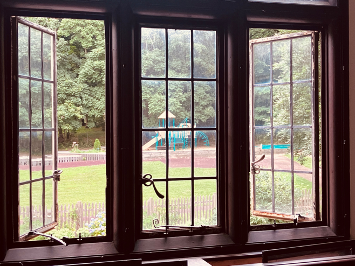
I open my windows on days like this, sunny and warm in June while kids are still together before summer, in order to hear the preschoolers on a playground made tidy and furnished with games and such by The Village School, which rents space from us. I watch as a little one wears butterfly wings and chases another who’s on a tricycle (without a hint of the danger that butterflies face from moving vehicles on the highway).

Mark 9:30-37 tells us that Jesus was on his way to Capernaum in Galilee when he told his disciples a second time that he was going to be handed over to the authorities at some point and be killed. After they arrived, he asked them what they were talking about on the road, and they were quiet, because they’d been talking about who was the greatest among them. He told them, “Look, if you want to be ‘first’ as it were, you will need to be ‘last’, the servant of all. Like this child before me: If you welcome one of these children, you welcome me, and you welcome the one who sent me.”

I listen as families from Haiti, parents and preschool children working with Immigrant Family Services Institute (IFSI), make their way through our Memorial Chapel into the Lower Parish Hall for instruction, administrative help, a hot meal, and maybe a suitcase or clothes or a blessing bag of personal hygiene items, safe from the streets and from the gangs they have escaped back home, safe for now anyway in a place that is beautiful, well- and lovingly-cared-for, and made welcome, by the good people at St. Michael’s.

The children who file in are, well, children, thankfully curious and mischievous, mostly ready to play and eager for whatever is next.  They, too, are butterflies, chasing one another or peering from a doorway, and on the playground after school has let out.

We began hosting families in our Lower Parish Hall early April 2024, when Rev. Laura Everett from the Massachusetts Council of Churches reached out to parishes in the Milton area to see if any wanted to learn about sharing space.  I did, my parish responded to the plan I shared first with Wardens and then Vestry, and then members gamely raised their hands to offer ESL skills, daytime availability to play with kids, and cars for transporting food prepared at Church of the Holy Spirit in Mattapan.  We assembled a Signup Genius and an Amazon wish list.

It wasn’t easy. There were challenges with the increasing flows of traffic, which was alleviated as  a few parishioners signed up as cab-wranglers to help manage the coming and going of Haitian families while school families were coming and going as well.

In early June, IFSI decided to ‘pause’ at this location, perhaps as things with MassPort, IFSI, the Commonwealth, Haiti, and all the constituent details seem to float in unpredictable patterns and each day brings – as each brought – something unexpected.  The generosity of spirit of St. Michael’s parishioners, and then of The Village School, has helped many of us to open our eyes in order that we open our hearts to hold space, resources, and compassion for folks who come to our door.

Matthew 25:40 tells us that, when we welcome the least, we welcome the King.  

And Elizabeth Barrett Browning reminds us that:

Earth’s crammed with heaven 
And every common bush afire with God 
And only he who seeks takes off his shoes
The rest sit around and pluck blackberries.

Our world is hard, butterflies get smooshed by trucks, and people get hunted, tossed aside, and executed by greed and prejudice. Fear turns his wheel indeed, again and again, like Yeats’ widening gyre. “Be not afraid”, Jesus encourages.

If we can allow the possibility of solidarity with the least of Jesus’ siblings – the vulnerable, hungry, and stranger – we’ll discover God without having to squint so hard.

Written by uniteboston · Categorized: Blog, Immigration & Belonging · Tagged: community, home, jesus, neighborhood, unity

Apr 17 2024

The Journey towards ONE: UniteBoston’s Ministry Priorities

“For [Jesus] himself is our peace, who has made the two groups one and has destroyed the barrier, the dividing wall of hostility, by setting aside in his flesh the law with its commands and regulations. His purpose was to create in himself one new humanity out of the two, thus making peace, and in one body to reconcile both of them to God through the cross, by which he put to death their hostility.” (Eph 2:14-16).

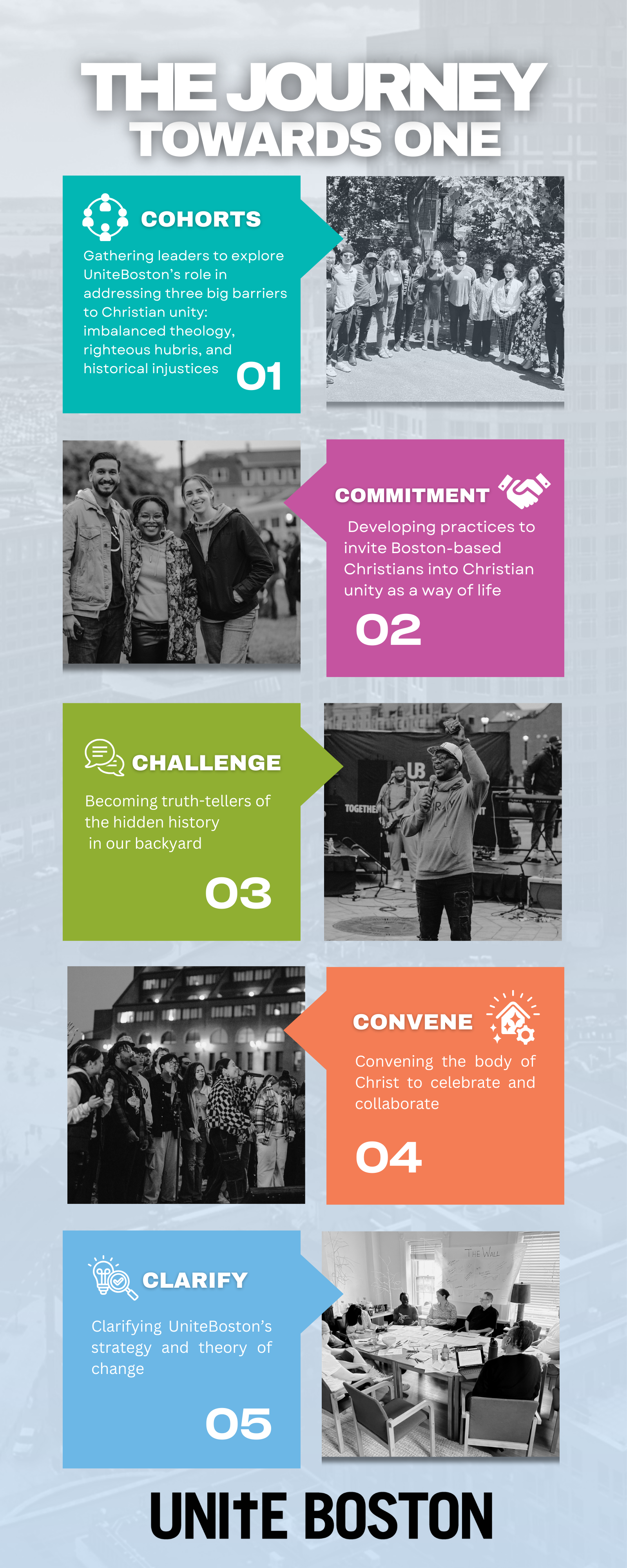
This is one of the many Scriptural texts that make it clear that Christians are to be “united” and “one.” Yet, what does this unity and oneness look like, and how do we get there? Read below to hear about UniteBoston’s five ministry priorities this year on our “journey towards one:” Cohorts, Commitment, Challenge, Convene, and Clarify, and how you can take part in this journey with us.


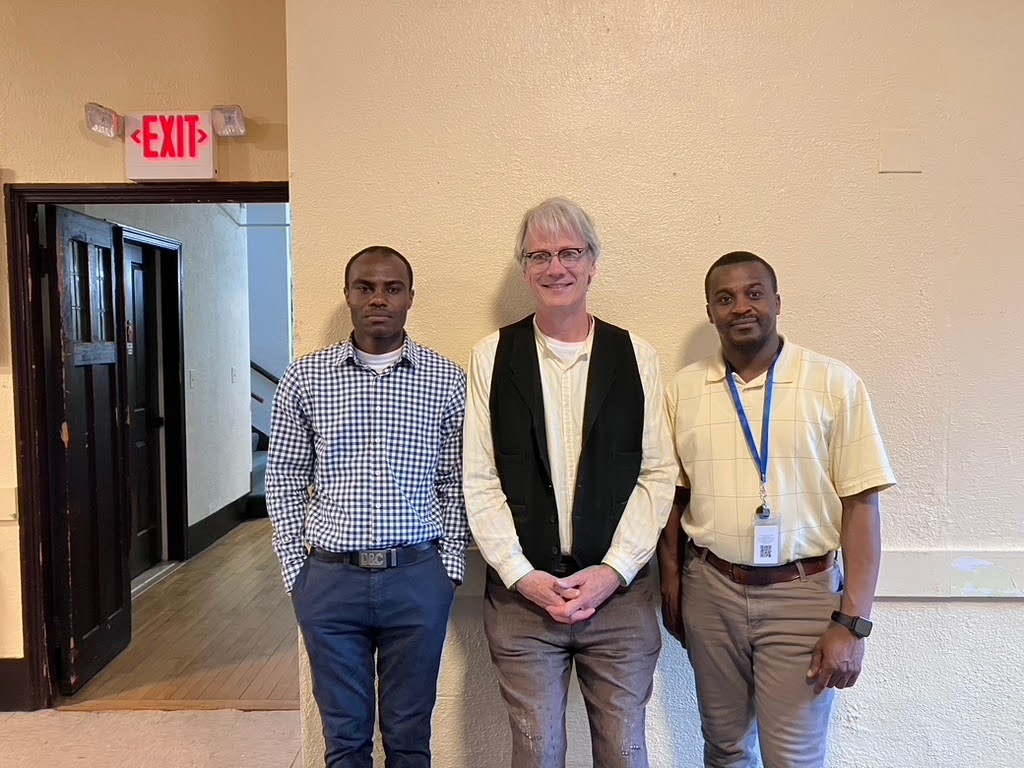
By: Rev. Kelly Fassett, Rev. Devlin Scott, and Rayza Carrasco

This past fall, UniteBoston’s staff and board sat down seeking to CLARIFY our ministry vision, strategy, and theory of change. Over the course of thirteen years, UniteBoston had gone from a small e-newsletter sent to a couple of dozen people to a full-fledged non-profit ministry with multiple staff. We had pursued the unity and oneness of Christians through hosting large united worship nights, coordinating a weekly events newsletter and website hub, convening missional collaboration conferences, launching neighborhood dinners, hosting learning groups, and more. 

We knew that at the center of the Christian faith is the confession that Jesus’ incarnation, death, and resurrection has reconciled us to God and to one another, thus forming an inseverable and eternal peace (Eph. 2:14). This central message of reconciliation is a prominent theme throughout the New Testament, and the early Christians were convinced of the centrality of unity among followers of Christ. (2 Cor 5:16-21, 1 Cor 1:10, Rom 12:4-5, Jn 11:52, Eph 4:3).

Yet, this “unity” and “oneness” is easier to live in theological constructs than in practice. Christian unity isn’t just a surface-level kumbaya togetherness, “hues in the pews,” as that often erases voices that are traditionally on the margins. True Biblical unity must not only encompass diversity but also erase hierarchy, inequity, injustice, and false structures of power. Biblical unity is a “deep unity,” one that leans into the places of division to discover the roots and possibilities of reconciliation and repair.  In the course of our ministry, we had seen that the barriers hindering Christian unity, equity, justice, and flourishing for all needed to be tackled head on. To this end, our staff and board brainstormed together and came up with three big barriers to Christian unity: imbalanced theology, righteous hubris, and historical injustices.

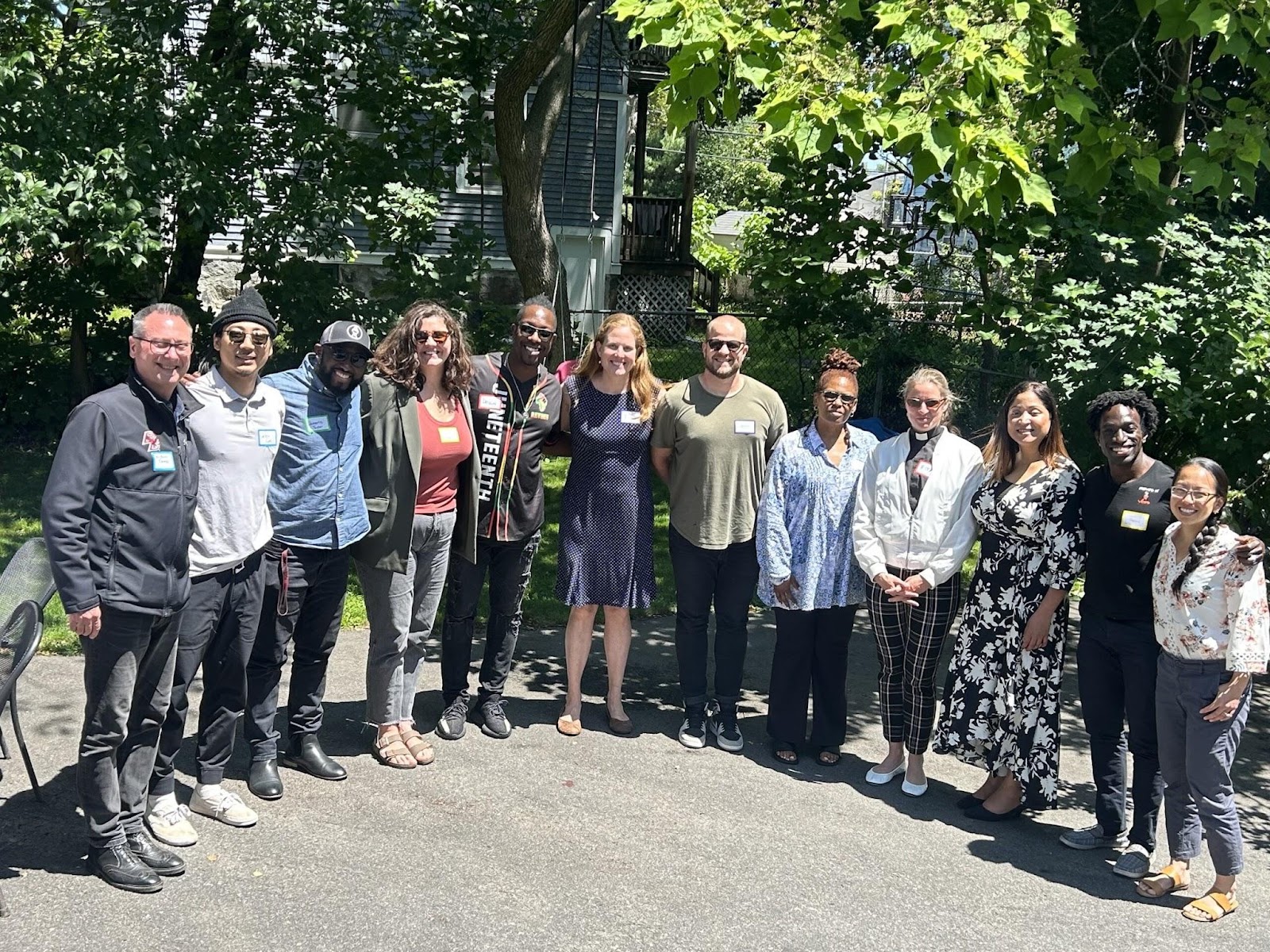
Christian unity is not just a belief or an event but is actually a question of discipleship: the way we understand and practice our love of God and neighbor on a daily basis. As our team sought to unpack these three barriers to Christian unity and CLARIFY the learning experiences and cohort models that could be designed to disciple people as ambassadors of reconciliation and repair (2 Cor 5:18-20), we immediately realized that we could not do this work on our own; this big-picture work will be much sharper and stronger when it is done with a collective community of leaders offering their insights and perspectives. This past year, we launched a Christian unity COHORT with twelve diverse leaders who met monthly to share their own personal stories of unity and disunity in the church and explored how people are living out God’s call towards unity, justice and reconciliation. 

Here are a few key ideas about Christian unity that Kelly and Devlin are taking away from the cohort journey:

Genuine, vulnerable story-sharing allows us to truly see one another, deepening our understanding of our unity in reconciled diversity. This transformative process reshapes our sense of connection and mutual worth, inspiring us to live out our shared brotherhood and sisterhood in Christ. When we really see one another, it changes how we feel connected to one another and how we feel they deserve what I deserve.

The journey towards Christian unity involves remembering and rediscovering who we are in Christ, cultivating authentic diverse friendships, carefully tending to wounds and places of rupture, and showing up for one another in sacrificial solidarity. This group has protected, celebrated, defended, and made room for one another, which has been challenging and immensely healing.

Here are a few reflections from members of the cohort: 

“The individuals in our cohort are all so different; culturally, liturgically, and theologically. But as I’ve listened to the stories of God’s movement in the lives of each of these new friends, I’ve been awed by just how much we have in common: a love for Jesus, a devotion to his church, wounds in need of healing, a deep longing for the Kingdom, along with a lot of courage and faith. This journey and these people have reinforced my commitment to move from curiosity, my belief that we have so much to learn from each other, and my hope that the chasms that divide us can be bridged.”

-Josh Wilson, Pastor at Reality Boston

“If the seed of Christian unity is our faith in Jesus, and the sunlight/water are our opportunities for joint ministry and mission, then the soil is most certainly our relationship and engagement with each other. The soil is aerated by our whole-hearted leaning into difference and disagreement with love.” 

– Edwin Johnson, Director of Organizing at Episcopal City Mission 

“In the Christian unity cohort, I found that our differences didn’t divide us; rather they made us connect more intentionally as we built friendships with one another. We don’t have to agree on all the things, but we can accept, love, and serve one another just like Jesus loved and served us.”

-Carolina de Jesus, Chief Executive Officer at the Boston Higher Education Resource Center

“As a Roman Catholic, I am reminded that the Catholic Church made a fundamental shift in its vision of Christian Unity from Vatican I to Vatican II, moving from an ecumenism of “return” to an ecumenism of “recognition” – the recognition of an esteem for the many gifts of God’s Spirit that reflect a genuine communion of faith and life with other Christian churches. As a result of the journey that we have shared in our Christian Unity cohort, I am convinced that the personal and relational always come before the structural and institutional. Journeying out of our isolations; meeting, sharing meals, sharing our stories, getting to know and trust one another; establishing friendships— these cohort experiences of relationship form the climate in which both individual Christians and separated communities become open to, recognize and receive gifts of the Holy Spirit from one another. It is this kind of climate that I have witnessed with our Unity Cohort from which a passion for unity is cultivated and sustained. Symbolic gestures are important among church leaders, but relationships of trust and mutual affection have to grow among members of different churches as well if receptive ecumenism is to flourish.”

-Michael James, Resident Minister and Faculty Member at Boston College

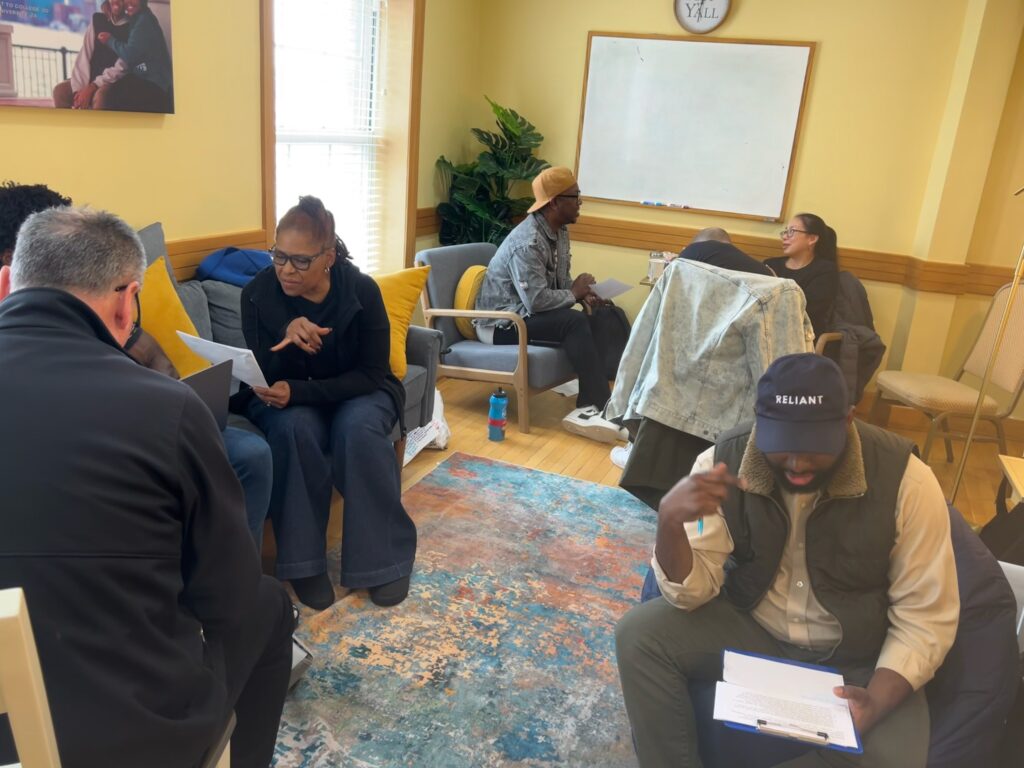
We’re now launching two new year-long working group COHORTS to help us shape the next season of UniteBoston. First, a “Sankofa journey” working group to reconstruct a common memory on the racial history of Boston and CHALLENGE people to be truth-tellers about the hidden history in our backyard. Second, a working group to explore the theology, practice, and heart posture of “Christian unity.” The working groups will help us unpack the three barriers to Christian unity we have identified and discern what content, experiences, and practical COMMITMENTS people can make towards becoming ambassadors of reconciliation and repair. We believe that UniteBoston’s role is to create opportunities for “beloved community” to emerge, one that leans into our diversities, nurtures belonging for all of God’s children, models redemptive power dynamics, and works together to nurture shalom across historic divides. As we nurture kinship relations among diverse siblings in Christ, we believe our self-giving love for each other will be a collective witness to the reconciling power of the gospel. 

Much of our team’s time and attention will be behind the scenes so we can do this work well. But don’t worry, we will continue our newsletter and website, and we are still planning to CONVENE Christians in Boston for a fall concert featuring a united gospel choir, as well as Boston Flourish on November 7. 

We’re grateful to have so many leaders and friends with us on the journey – You make this work possible, and you make it a lot of fun too! 

Join us on the Journey Towards One: 

  • Pray for wisdom and discernment for our team and collaborating partners as we seek to understand how Christians in Boston might embody the oneness that Jesus prays for and refine UniteBoston’s missional priorities and theory of change.
  • Stay engaged by reading the UniteBoston newsletter and following us on our social media Facebook Instagram
  • We’d love to hear from you if you have any ideas, resources, or stories you’d like to share with us that might help us on this journey!

– Rev. Kelly, Rev. Devlin, and Rayza

Lord, make us instruments of your peace. 
Where there is hatred, let us sow love; 
where there is injury, pardon; 
where there is discord, union; 
where there is doubt, faith; 
where there is despair, hope; 
where there is darkness, light; 
where there is sadness, joy. 
Grant that we may not so much seek to be consoled as to console; 
to be understood as to understand; 
to be loved as to love. 
For it is in giving that we receive; it is in pardoning that we are pardoned; and it is in dying that we are born to eternal life. Amen.
– A Prayer attributed to St. Francis

Written by uniteboston · Categorized: Blog, FROM THE UB LEADERSHIP, Ministry Vision · Tagged: christian unity, reconciliation, shalom, uniteboston, unity

Mar 26 2024

Together We Proclaim: Jesus, The Messiah

Christ is Risen! Our guest blogger this week is Pastor Robin Lutjohann, pastor of Faith Lutheran Church in Cambridge. Pastor Robin and Pastor Raphaela Mueller have been offering powerful scriptural reflections daily during Lent. Read below to hear Pastor Robin’s reflection on the communal significance of Jesus as the Messiah and how our daily encounters with the Risen Christ bind us together as one family of God.


Jesus went on with his disciples to the villages of Caesarea Philippi; and on the way he asked his disciples, “Who do people say that I am?” And they answered him, “John the Baptist; and others, Elijah; and still others, one of the prophets.” He asked them, “But who do you say that I am?” Peter answered him, “You are the Messiah.” And he sternly ordered them not to tell anyone about him. (Mark 8:27-30)

Because we live in a much more individualist culture and time than Jesus, it is easy for us to mis-hear Jesus’ question as an invitation to make a personal confession of faith. A “what does Jesus mean to me” kind of testimony. It doesn’t help that in English, both singular and plural second person pronouns are the same, “you.” But Jesus is asking “you” in the plural: “Who do ya’ll say that I am?” He is asking his disciples as a community of people who have been – together – transformed by his presence among them. And even though Peter alone answers, he answers in a way that isn’t just about him and his own personal thoughts and musings. For example, he doesn’t say: “You are MY Lord and savior.” Or: “I give my life to you.” Or: “I think… I believe… My theory is…” He isn’t really speaking for himself. He is speaking with the voice of his ancestors and their long-time expectation of an anointed heir of the Davidic kingship, when he says: “You are the Christ / Messiah / Anointed One…”

I’ve said it before and I’ll say it again: It makes sense that in our church, we recite the Creed together, in unison, when we gather. Even though it is said in the singular “I believe…” it is a collective “I” that speaks here. It is the “I believe” of the united voice of the one Body of Christ, the whole community of all those who trust in him as the promised savior not only of their own individual souls, but of the whole cosmos.

Don’t get me wrong, our individual concerns and fears, our particular biographies and thoughts are important to God. And there is a time and place to make our faith personal and individual, like when Thomas says, “My Lord and my God!” After all, no one experiences love in the general. If a loved one says to you, “I love you,” I really hope you wouldn’t reply, “I love all people.” 

But when it comes to answering the question, “Who is Jesus?” a purely personal testimony is not sufficient. It is good, as far as it goes, but is not yet “the Gospel” that saves and changes the world.

Only by offering our individual stories and opinions to a communal reality, can we begin to really say “who Jesus is” to each other and to the world. Because I, by myself, have too limited a point of view. There’s simply a lot that I am bound to be missing. I need your help, so I can see, through your eyes, more of who this Jesus really is. There are things you have learned and experienced that I have not. That is why I need you. And that is why you need me, too. That is why we need the Church. We might be able to believe alone. But we cannot confess Christ alone. It is a communal witness. Christ sends into the world not individual believers, but a people. 

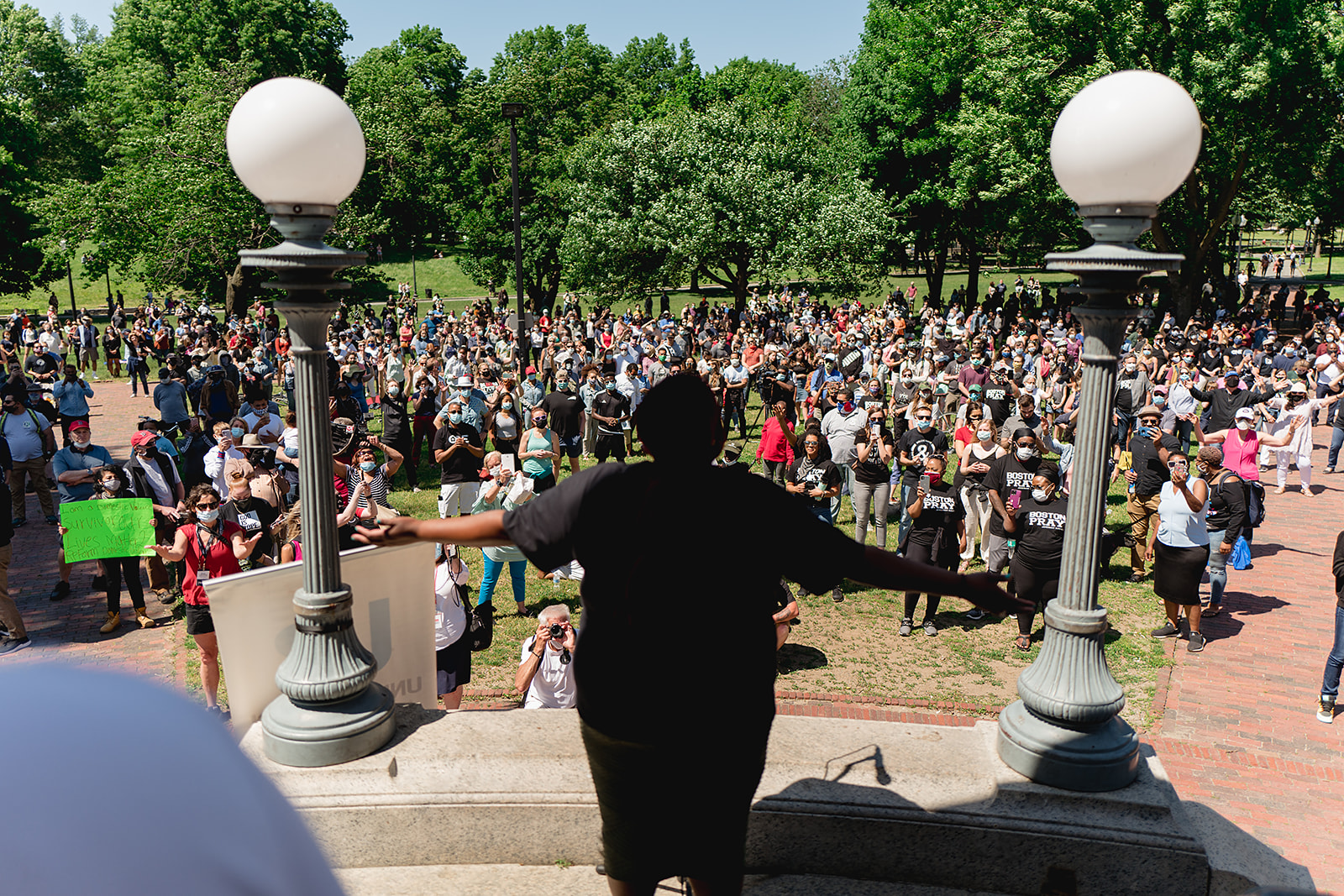
United prayer and a call to repent at BostonPray in 2020. Photo credit: Daniel Ebersole

It’s like those 3D glasses kids used to have with the round slides that you could pop in. A pretty crude technology compared to today’s Apple glasses or whatever. But that’s basically still how 3D vision works: Two slightly different perspectives, each seen by one of our eyes, are put together by our brains into one picture that holds these differing perspectives together to see a fuller picture with more depth — and more like the real thing! Now multiply that by a few billion — and then you get the complex, crystalline jewel through which the Spirit refracts the Word of God to us, that we may truly see, truly understand all that Jesus is and does for us. In this lifetime we will never be finished seeing, hearing, comprehending anew, with every person and perspective adding another facet to the total mosaic. 

Maybe this helps explain Jesus’ enigmatic warning at the end: to not “tell anyone about him.” It’s not that he didn’t want more people to be part of this community of faith. It’s that he didn’t want people to have a cheapened, second-hand experience, a kind of “faith by hearsay” information, but not transformation. Unfortunately, this kind of dead belief is what passes for “faith” a lot these days. But real faith is not some things you heard someone say, or what your parents told you to believe, or a list of intellectual propositions to which you assent. Faith, in essence, is trust in someONE more than belief in someTHING.

Only after the Holy Spirit was poured out on the community in Pentecost – and has kept on pouring ever since! – was it possible for people who had not walked with the man from Nazareth to have a living encounter with the Risen Christ. This encounter binds them into that same communal “I” that can say with Peter and the whole church: “You are the Messiah!” 


On Resurrection Sunday, we remember that Jesus is worthy! Local Christian artist Jen Aldana recently released a cover recording of Elevation Worship’s song with this theme. She describes: “I was suffering, but God was faithful. I was struggling, but He still deserved my praise. I was weak, but He gave me strength to stand and sing and show up for myself and these young people. And it was all worth it. Because He’s Worthy.”

Written by uniteboston · Categorized: Blog, Devotionals, Lent · Tagged: confession of faith, pentecost, resurrection sunday, scriptural reflections

  • « Previous Page
  • 1
  • …
  • 11
  • 12
  • 13
  • 14
  • 15
  • …
  • 91
  • Next Page »


Give to Further Christian Unity

DONATE!

  • Email
  • Facebook
  • Instagram
  • YouTube

Copyright © 2026 · UniteBoston · Built on WordPress