UniteBoston

Bridging Divides Across Christians for the Flourishing of the City

  • Home
  • Events
    • Submit Event
  • Join In
    • Beloved Community Lab
    • Migrant Care and Solidarity
    • The Church and Civic Engagement
    • The ATTIC
    • Kingdom Conversations
    • Worship & Pray
    • Boston Flourish
  • About
    • UB Board, Staff & Volunteers
    • Cohorts
    • Missional Letter
    • Annual Reports
    • History
    • Christian Unity
  • Forums
  • Blog
  • Give
  • Contact
  • Search

Oct 23 2020

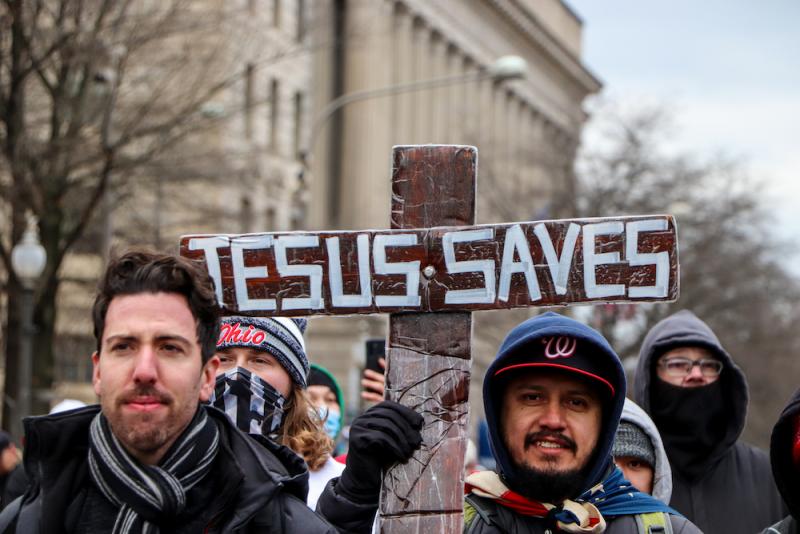
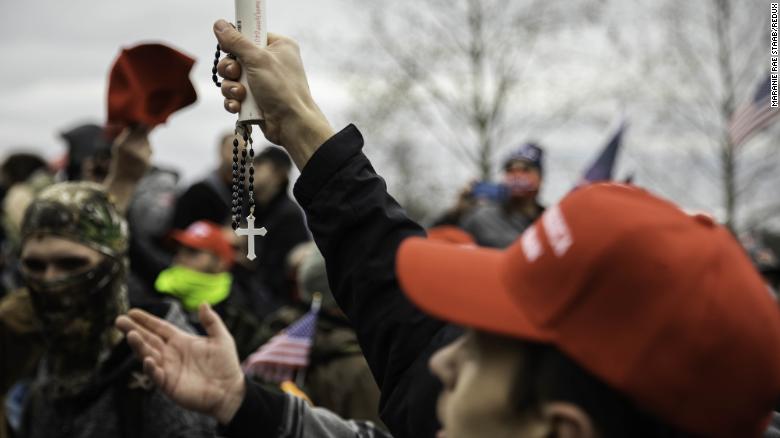
Jesus’ Call to Love Our Enemies (Yes, even our political enemy!)

“In our current society, people who disagree with you about issues in life, especially political ones, are often regarded as “enemies”.  This is unhealthy for our nation in general, and it is especially so for our spiritual lives.  As followers of Christ, we cannot view others as enemies!”
-Pastor Dave Hill, Abundant Grace Church

Today, we want to share a devotional by Pastor Dave Hill from Abundant Grace Church in Brighton. He encourages us to consider our heart postures towards one another and those we consider as our “enemies.” Pastor Dave also shares a personal example of how he has engaged in conversation and listening across deep political divides with other pastors. This is a crucial message in a time of great division and political animosity to embrace a lifestyle of reconciliation.


Today I would like to look again at Luke 6, verses 27-29a: “But to you who are listening I say: Love your enemies, do good to those who hate you,bless those who curse you, pray for those who mistreat you. If someone slaps you on one cheek, turn to them the other also….”.

These are some of Jesus’ hardest instructions–love your enemies and do good to those who hate and hurt you.  This is completely counterintuitive and unnatural.  It goes against our natural instincts to defend ourselves and to retaliate.

In our current society, people who disagree with you about issues in life, especially political ones, are often regarded as “enemies”.  This is unhealthy for our nation in general, and it is especially so for our spiritual lives.  As followers of Christ, we cannot view others as enemies!  We must learn to love them and to pray for them.  While dying on the cross Jesus prayed, “Father, forgive them, for they do not know what they are doing.” (Luke 23:34)  His Spirit lives in you, and you must crucify your flesh and allow the Spirit to control your thoughts and actions.

Martin Luther King Jr. said this: “Love is the only force capable of turning an enemy into a friend.”  Representative John Lewis, who recently went home to be with the Lord, related how those involved in the struggle for civil rights chose to see their struggle as one against an unjust system, not against people.  “We wanted to win them over.  We saw them as our brothers.”  Wow, and amen!

This was spoken about people who were cursing them, beating them and jailing them.  Most of us do not have hurdles nearly that high in loving our enemies.  Let us take this to heart and seek the Lord.

Do not make the serious error of thinking of others “who need to hear this message”.  You and I need to hear it.  Are you offended with someone?  Posting things online that dishonor Jesus?  Avoiding someone because you simply do not like them?  Entertaining mean thoughts towards another?

“If you love those who love you, what credit is that to you? Even sinners love those who love them… But love your enemies, do good to them, and lend to them without expecting to get anything back. Then your reward will be great, and you will be childrenof the Most High, because he is kind to the ungrateful and wicked”(Luke 6:32&35, NIV).  We are privileged to be called children of the Most High, and we must make every effort to live up to that high calling.

Here is a way to put into practice what Jesus taught during this election:  ask someone you think or know does not share your political views why they are voting for president the way they are.  You will probably find that they have solid thoughtful reasons for why they vote as they do.  As believers, we must realize that there are other believers who love Jesus and believe in the Bible just as much as we do who will vote for someone we don’t like.  Seeking to listen rather than to judge honors Jesus.  You may not become convinced of their position, but it will help you get over viewing them as an “enemy”.  We are required by our Lord to love each other!

I pray with a dozen or so other pastors every Wednesday via Zoom.  With all that has gone one with racial issues and politics we decided to stay on for an hour once a month to hear each other’s perspectives on these issues.  We are a diverse group with whites, Asian Americans and African Americans.  One of the African American pastors, simply being honest, asked, “Can one of you explain to me why white Evangelicals like President Trump?”  That is being bold and blunt, which is what we need.  Because we all love and respect each other, he could ask that kind of question and we discussed it at length.  It was both informative and edifying.  It strengthened our relationships.  You actually will find yourself feeling closer to someone when you are willing to discuss a controversial subject in love.  That is what we did, and I hope you can be blessed by doing the same.

Father, I know these words of Jesus are true, but they daunt me.  Yet today I choose to humble myself and repent of evil thoughts, nursing grudges, proud put downs and viewing anyone as an enemy.  I want to be like You!  Please create in me a clean heart that is kind to the ungrateful and loves those who do not love me.  I need Your help.  I want to be free.  Thank you that what is impossible for me is possible with You.  For Your mercy and transforming grace I am truly grateful.  Amen.


Other Great Resources

Red & Blue Guide by Essential Partners, which offers great tips in how to engage in conversations with those of differing political viewpoints.

Guide to Election Preparedness, put together by the Black Ministerial Alliance of Greater Boston & Boston Ten Point Coalition, Islamic Society of Boston Cultural Center, Jewish Community Relations Council of Greater Boston, and the Massachusetts Council of Churches

AllSides.com, which “strengthens our democratic society with balanced news, diverse perspectives, and real conversation. We expose people to information and ideas from all sides of the political spectrum so they can better understand the world — and each other.”

Research and Tips for Church Leaders for Navigating Election Season – from Barna

https://www.masscouncilofchurches.org/wp-content/uploads/2020/10/FINAL-Guide-to-Election-2020-Preparedness-1.pdf?fbclid=IwAR1lPzEKy68TLgyoiBx4uBvjwntTyyt885BRpu80BrDpumCei2KvGcQBfco

Written by uniteboston · Categorized: Blog · Tagged: community, home, jesus, reconciliation, unity

Aug 07 2020

Keys to Healing Dialogue: Intention, Reflection, Observation, and Need

“If we who call ourselves part of the one body of Christ are to be agents of healing and unity, then we must be skilled at engaging in dialogue that heals.“

This week, we feature a blog by Steve Tumolo of Quincy. Steve is the principal of the Center for Receptive Communication and Executive Director of Heart to Heart. Through these two organizations, he helps people to heal, thrive and lead, cultivating vital communication and leadership skills for diverse learners, including church leaders, male survivors of sexual abuse, incarcerated adults, parents, and teachers.

While many forms of communication result in division and polarization, Steve shares four keys to dialogue that can lead to greater reconciliation and healing, a crucial practice if Christ-followers are to learn and embody the reconciling power of the gospel.


Photo Credit: Richard Tsong-Taatarii/Star Tribune via Getty Images

“As IRON sharpens IRON,
so a friend sharpens a friend.”

(Proverbs 27:17)

The times in which we live reveal a growing polarization in the United States. Red vs. Blue, All Lives Matter vs. Black Lives Matter, Conservative vs. Liberal, Pro-Life vs. Pro-Choice are just some of the camps upon which Christians find themselves also divided. If we who call ourselves part of the one body of Christ are to be agents of healing and unity, then we must be skilled at engaging in dialogue that heals.

Dialogue, authentic engagement with another in which we are willing to be changed by the encounter, is essential to healing the divisions in our country. I see, through the help of Marshall Rosenberg’s Nonviolent Communication and other sources, four keys to dialogue that are foundational. The acronym IRON can introduce these keys, named as Intention, Reflection, Observation, and Need. We can sharpen each other and strengthen one another through practicing these keys to healing dialogue.

Intention

It is important to enter dialogue with a leading intention to connect, appreciate and understand. These intentions suggest that we value relationship more than proving ourselves right and someone else wrong. Prioritizing relationship is God’s Trinitarian template. It is the Trinity’s relationship that creates. The Trinity, I suggest, does not relate for utilitarian motives, but out of love. Through loving, through Trinitarian relating, a universe was born. If God’s priority is relationship, why not make it ours as well? 

This does not mean questions of what is good or what is just are not raised. It simply suggests that we start by listening and learning. This helps us to meet people where they are, not where we may want them to be. As Marshall puts it, “people often need empathy before they are able to hear what is being said,” (p. 171). The intention to connect, listen, and empathize, especially with people who have different experiences and perspectives, those who we may see as “other,” makes true encounter possible.

Reflection

The second key flows directly out of the intention to encounter and connect with another. It is the ability to distinguish reflecting from responding. Reflecting involves communicating back to the speaker the heart of what you hear them saying. This one action has multiple gifts. It can help the speaker experience being valued and heard. It can help the listener get clarity and understanding. This is especially true when what is reflected is not the speaker’s intent. This gives the speaker the chance to say, “well, that’s not exactly what I meant. It’s more like this…” The act of reflection can build a bridge of understanding, so that the heart of what is expressed is heard and experienced.

Responding has its place in dialogue. It is simply different than reflecting. Responding involves communicating what is stirred in me as I listen to you. Most of the conversations I hear sound like this: expression-response-response-response-response-response-reponse. We seem to be hooked on getting across our point. With two people, each trying their best to make their point, neither may experience being heard. Reflecting, however, slows down the conversation, creating opportunities to live into our intention, opportunities to experience connection and understanding.

Observation

The third key in healing dialogue is to distinguish observable facts from our interpretations and evaluations. Many of us have been brought up in the language of judgment. Yet judge not, Jesus commands, for the judgments you make upon others will turn back onto you. (Matthew 7: 1-2) 

Mixing our judgments and evaluations with our observations contributes to the great confusion that divides Christians and our country. Keeping communication simple and focusing on what is pierces through the confusion and builds bridges of shared understanding. Learning to communicate in clear observations is key to dialogue across difference. 

Presenting the raw facts has a power all its own. George Floyd was killed after a police officer kept his knee on his neck for close to 8 minutes. This is an undeniable fact. Two people can disagree on their evaluations but beginning with the same observable fact can be a vital starting point. From there, feelings can be communicated without evaluation as well. When I think of what happened to George Floyd, Breonna Taylor, Ahmaud Arbery, Michael Brown, Eric Garner, Philando Castile, Alton Sterling, Trayvon Martin and so many more of my Black brothers and sisters, I get choked up. I feel a mix of grief and shock and outrage. Sharing my raw truth, without judgment, can help me be heard and understood by another person who may have a different perspective than me. When people with different life journeys can share their experiences and perspectives, a shared understanding can emerge.

Need

The heart of what is being said goes deeper than feelings. Underneath every feeling is a need. Needs, Marshall Rosenberg suggests, are what motivates all of us to speak or act (pp. 52-55). When a need is met, we have a feeling we often enjoy. When a need is not met, we have a feeling we often do not enjoy. Feelings have this essential purpose of indicating the state of our needs.

When I think about George Floyd’s death, a deep need for justice arises. This need I believe is widely held and that all humans desire justice. Marshall considers core needs as universal and an expression of the divine (p. 130). We might say they are God-given. God created humans to long for and be motivated by the same core needs and desires of the heart. For example, to survive, we all need air, water, food, and safety. To thrive we need love, belonging, acceptance, freedom, respect, justice, and more.

If our dialogues are to connect us and bring about the unity for which we have been created, then we must get to the heart of what is being expressed. This means getting to the need, the heart’s desire. When I speak and name my core needs, when I listen and hear the needs of others, then we can see that we all long for the same things. We who say, “Black lives matter” want every Black woman, man and child to experience mattering, safety, respect, and justice. And perhaps those who say all lives matter have a need to experience mattering themselves. This need of mattering is something we all share.

Taking the time to listen and hear the need underneath what is being said is the fourth foundational key to dialogue that heals. Hearing and connecting around commonly held needs is a unifying practice. Together, these four keys, our intention to connect first, distinguishing reflecting from responding and observing from evaluating, and hearing and speaking to the need, lay the foundation for healing dialogue. If we Christians are to be agents of healing and unity, then, I believe, it is our call to engage in such dialogue with our families, our churches, and our world.

Photo: Priscilla Du Prezz on Unsplash

____________

The Center for Receptive Communication helps people and organizations heal, thrive and lead. They facilitate transformative learning for faith communities and schools and their leaders. The Center for Receptive Communication’s newest project is Sobrevivir, accompanying men who survived childhood sexual trauma in their journey through healing to thriving and leading. .

Heart to Heart helps people affected by violence to hear and follow Life’s calling, transforming people and systems . Heart to Heart is building on its 30 years experience working in prisons to support incarcerated people, returning citizens, children affected by a household member’s incarceration, and their parents, caregivers and teachers. It’s newest project is Heart to Heart Families and Heart to Heart Schools.

For more on Nonviolent Communication, see Rosenberg, Marshall B. 2015. Nonviolent Communication: A Language of Life. 3rd Edition. Encinitas, CA: Puddledancer Press or go to www.cnvc.org 

Written by uniteboston · Categorized: Blog · Tagged: christian, jesus, lent, reconciliation, unity

Feb 04 2020

2020 Week of Prayer for Christian Unity – Photos & Stories

The Week of Prayer for Christian Unity is an international initiative where Christians worldwide are reminded of Jesus’ prayer for his disciples that “they may be one so that the world may believe” (John 17:21).

Locally, UniteBoston coordinates evening collaborative gatherings of fellowship, prayer and worship from January 18-25 annually. 

This year’s theme was about how we can show “unusual kindness” (Acts 28:2) to become witnesses of God’s love to all people. This year, we had an incredibly diverse denominational representation, including Catholic, Lutheran, Episcopal, Evangelical, Pentecostal, Baptist, and more. Check out the photos below to get a sense of the diverse array of ethnicities, traditions, and geography that make up the Church in Boston!


A group shot with some of the leaders who hosted worship gatherings and neighborhood dinners during this year’s Week of Prayer for Christian Unity

“Let us pray that we may learn what it means to be God’s hospitality to our world, that the barriers that divide us may be broken down…” This is just one of the prayers that we prayed on Sunday night at the MIT Chapel. God met us deeply as we prayed in the style of Taize, with beautiful harmonic singing and scriptures read in languages representing God’s children around the world.

The youth led the service at Peoples Baptist Church, which included trivia about Martin Luther King Jr., singing MLK’s favorite songs, and interceding for the needs of the community. The youth are involved in outreach to the homeless and attendees were invited, at the end of the evening, to make small bags of toiletries, gloves and other items and take them with them to bless those they might meet in the weeks to come. Young and old, black and white, Catholic and Protestant sang together to conclude the service: “We shall overcome / We’ll walk hand in hand.”

An incredibly diverse group of people came out to the prayer service at People’s Baptist Church – spanning race, generation, and denomination.

I had a great time visiting People’s Baptist Church! I knew about this church and its rich history but had not yet visited. I got a chance to visit during the Week of Prayer for Christian Unity when I attended an event there held in honor of Dr. Martin Luther King Jr. I was so blessed by the love and generosity of the Youth Minister and her children who ran the service!
-Cleopatra Muhammad, UniteBoston Dorchester Neighborhood Dinner Coordinator and member of Restoration City Church


https://www.facebook.com/uniteboston10/videos/189480632249005/
Here is a video of of the People’s Baptist Church youth singing some of Rev. Dr. Martin Luther King’s favorite songs.

https://www.facebook.com/cdmalano/videos/10103041480470667/
Paulist novice Christopher Malabo created this video with highlights from Monday’s Week of Prayer for Christian Unity prayer service led by the youth of People’s Baptist Church.

“Being at the UniteBoston Monday evening service led by young people who are part of People’s Baptist Church was so on-target to me.  It is critically important that in today’s Boston twenty and thirty year old committed  Christians need to be seen by all Bostonians as TOP Christian leaders here, and I saw that at that UniteBoston meeting.”

-Ralph Kee, Greater Boston Church Planting Network


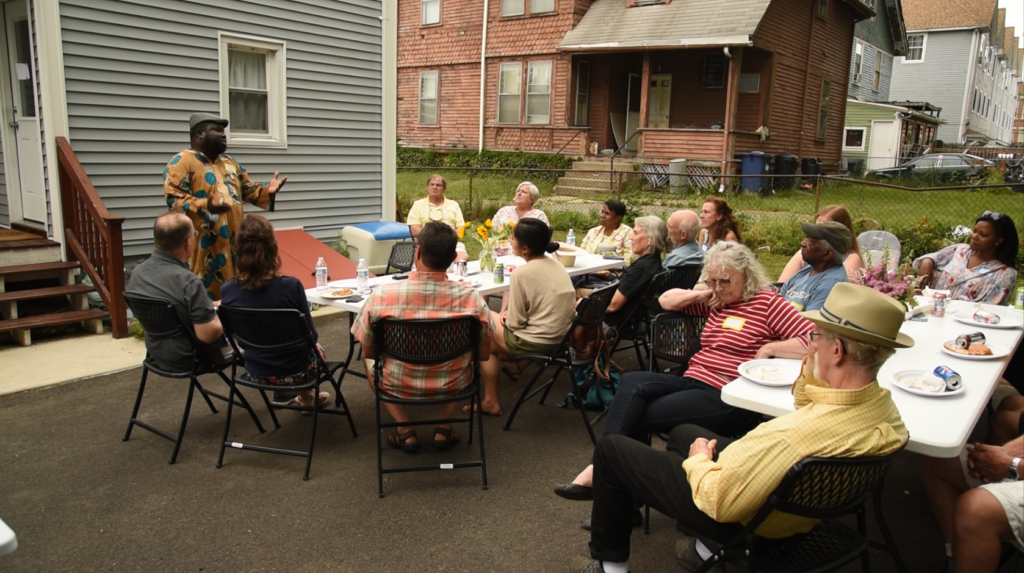
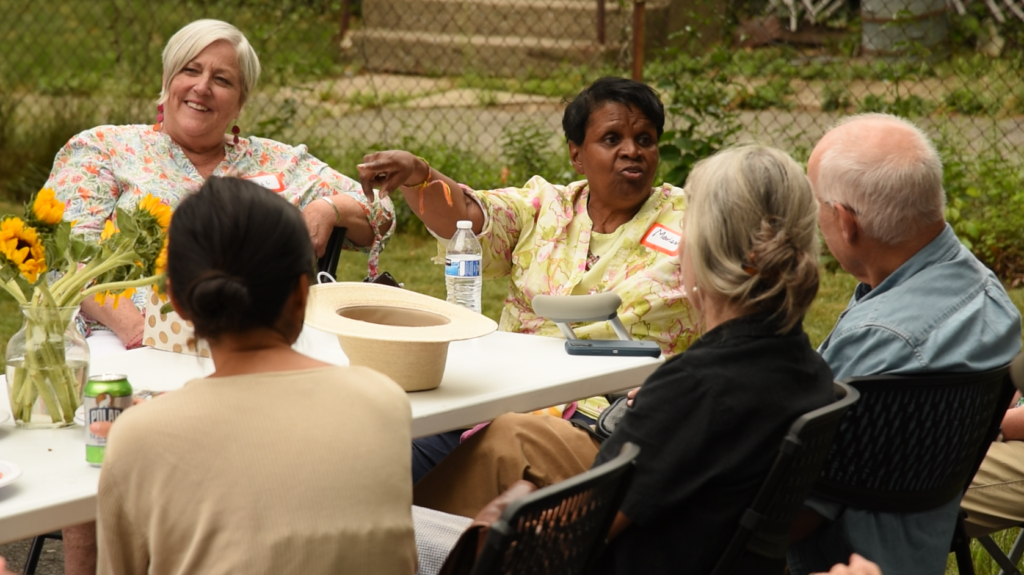
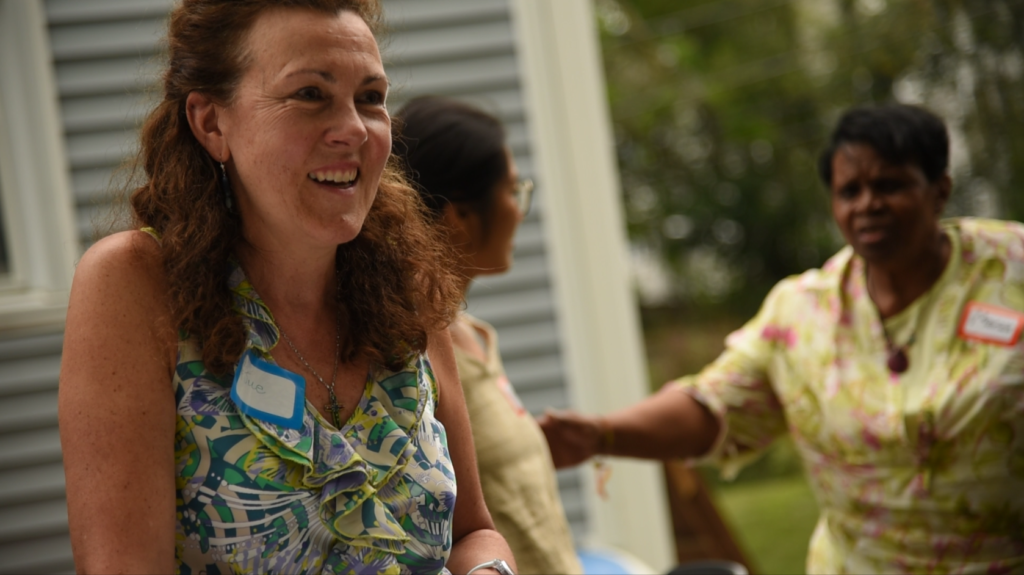
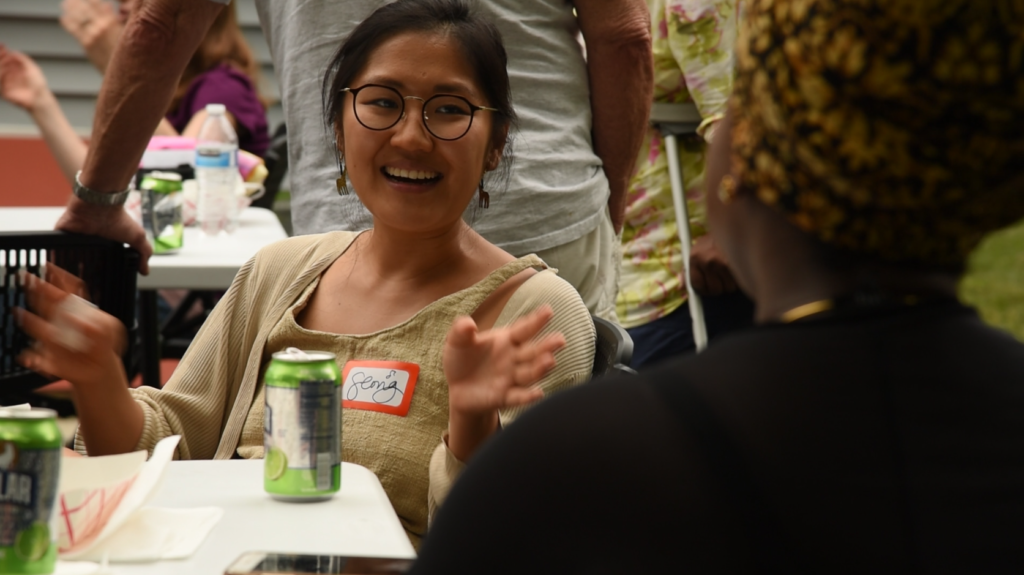
We had a great time of food, conversation and prayer with Christians from a variety of congregations in Dorchester on Tuesday night. The first Christians in Malta were shown “unusual kindness” by the islanders (Acts 28:2), and we are called to do the same.

Small group conversation on “unusual kindness” (Acts 28:2). May God show us together how to demonstrate this kindness, that Christians might be known in our neighborhoods for our love! (Photo Credit: Josh Wilson from The Table)

“This was my husband’s and my first time at a UB neighborhood dinner and it was great! We met Christians from lots of different churches in a friendly home setting, and we heard about God at work in house churches in various corners of the city. We also prayed the same prayer with Christians all over the world praying that same week. It was a beautiful thing to be a part of.” 

-Jess Mason, Member of Forest Hills Covenant Church


The Protestant / Catholic divide was breached on Wednesday evening as Catholics and Episcopals from downtown congregations joined together to pray for Christian unity. Rev. Colin Leech challenged us to respond to all calamities with kindness, because that in itself will be unusual and witness to the reign of God.

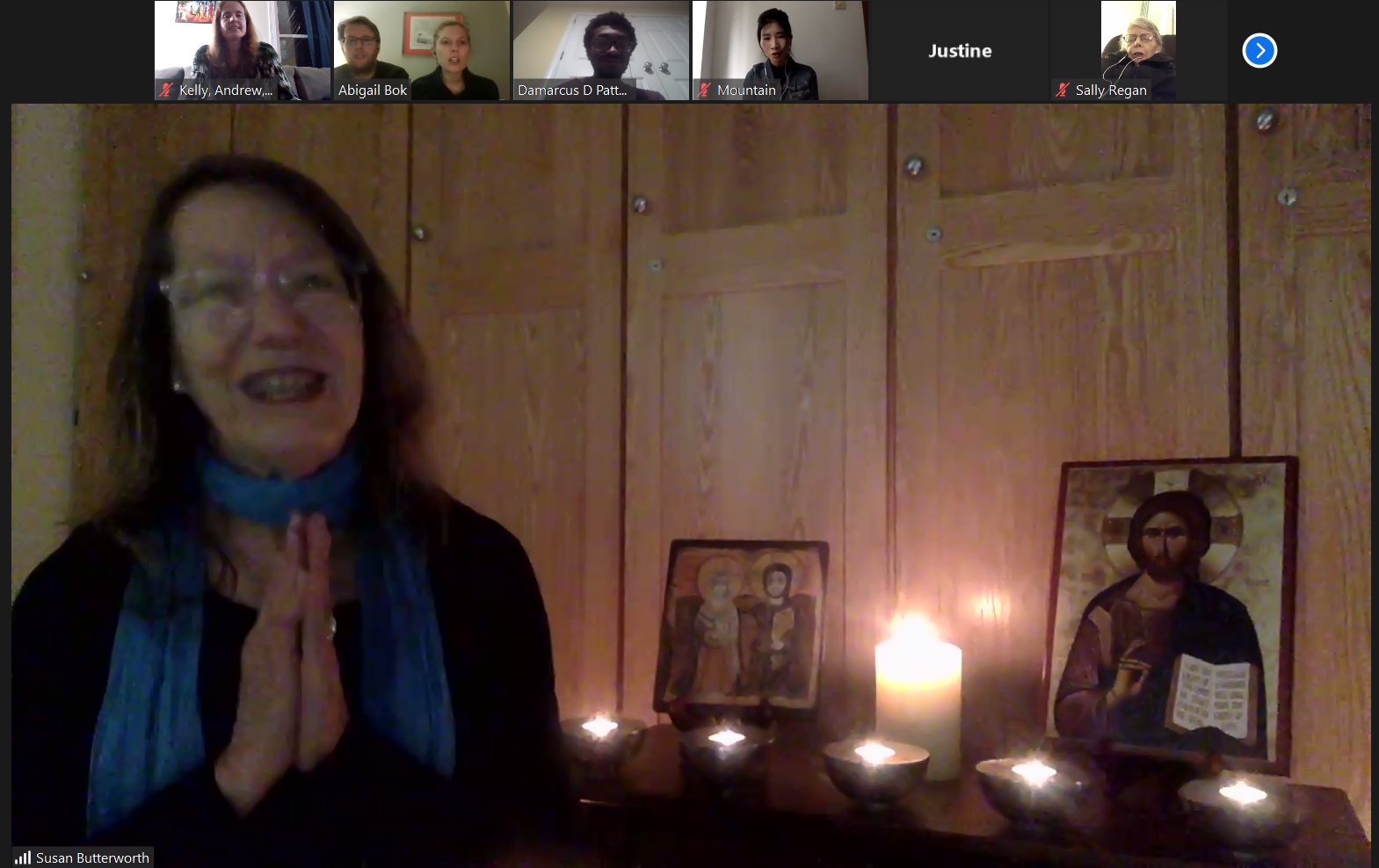
The Taizé community in France is an ecumenical Christian community dedicated to prayer, reconciliation, and Christian unity. While taking part in the Week of Prayer for Christian Unity as the leader of Taizé prayer at MIT, I encountered the Paulist Fathers for the first time, and discovered that the mission of the Paulist Fathers includes seeking unity among Christians and building bridges of respect and collaboration with members of other world religions. I was delighted to pray deeply in the company of fellow spiritual seekers, both in “my house” (the chapel at MIT) and “their house” (the Paulist Center in downtown Boston).
-Susan Butterworth, graduate of the Episcopal Divinity School and leader of the weekly “Song & Stillness: Taize at MIT” prayer service in the MIT Chapel.


At our Medford/Malden neighborhood dinner on Thursday night, Christians who lived near one another met for the first time! We also considered the people in our lives that God might be inviting us to show “unusual kindness” – coworkers, housemates, and neighbors.

On Friday evening, thirty people came out for a spirit-filled prayer service in one of Boston’s storefront churches dedicated to innocent convicts and law enforcement officers, led by Ossy Osagie of The Innocent Convicts.

Brother Osagie is passionate about his work. “As of today, the National Registry of Exonerations lists about 2,480 men and women who’ve been cleared of wrongful convictions in the last 25 years – 40 percent had been incarcerated for at least ten years before their exonerations.”

“Boston is filled with storefront churches throughout Roxbury, Dorchester and many other surrounding communities. These vibrant communities of faith are often overlooked when people from outside Boston talk about how this area is unchurched. Christ Church International is where Brother Osagie attends. He invited Pastor Sharon to lead the prayers not only for the innocent convicts but for the eyes of law enforcement and judicial system officials eyes to be opened to these wrongful convictions and to resist systemic pressures that might lead to such convictions in the first place. I have a heart for systemic issues related to mass incarceration but I learned to pray in a whole new way that night.”

-Rev. Dana Baker, UniteBoston Board Member


People from a variety of Christian backgrounds – Catholic, Evangelical, Baptist, Lutheran, Pentecostal, and more – gathered at Faith Lutheran Church on Saturday evening for the concluding prayer service. We also heard testimonies of how people had seen the unity of the church throughout the week, whether through reconciled friendships or experiencing God in a new way through worshipping in a new tradition.

Pastor Robin invited one of the leaders of the Eritrean Church that meets in his building to share part of their story – a story of persecution in their homeland. He encouraged Christians in the United States to use our freedom to worship God, as many Christians throughout the world are not free to worship. We also sang a song in Tigrinya. It is not unusual for churches in Boston to host 2, 3, or more (often immigrant) congregations in their buildings – often “showing unusual kindness” to one another.

Final group shot the last evening – Shout out to Antioch Church for all the young people who came out to pray that evening! They represent the next generation of leaders that are being raised up towards unity rather than division.

“It was inspiring to be in the presence of Christians who express and go about their faith in different ways than I regularly experience.  Some of it arose in me what I imagine the roots of our Christianity to have felt and looked like.”

-Erika Salloux, Member of St. Cecilia Parish in Boston


“The Week of Prayer for Christian Unity services were an experiential exemplification of the richness of spiritual gifts the different traditions of Christian faith offer to one another–the contemplative eve of Taize prayer at MIT . . . the energetic movement and music and prayer at People’s Baptist Church . . . the dynamic preaching by the UCC pastor at the Paulist Center . . . . It was a wonderful witness to the mutual enrichment offered to us all in our relations with each other! “
-Fr. Tom Ryan, director of the Paulist North American Office for Ecumenical and Interfaith Relations


“I valued the opportunity to gather with believers at different houses of worship in the city that I wouldn’t have otherwise known about. It made me realize that there’s an outpouring of worship for God happening all across the city and I didn’t even know it! Every event that I went to that week made me see the beauty of the body of Christ in ways I did not expect or anticipate. Taking part in these worship gatherings in discrete enclaves throughout the city and seeing the earnestness of the believers in prayer and action warmed my soul and provided encouragement that the Church really is the hope of the world. After having participated at various prayer gatherings that week, I feel more connected with the life of the Church in Boston and hope that this experience will foster more of a desire for that amongst believers in the city.” 

-Saranya Sathananthan, Ministry Development Associate at the Emmanuel Gospel Center and member of Antioch Community Church Brighton


Written by uniteboston · Categorized: Blog · Tagged: christian unity, reconciliation, uniteboston, uniteboston10, unity

Nov 27 2019

Converge Partnership Launch Week!

Support the life-changing work of refugee leaders!

1) Join our virtual gathering on Tuesday, December 3rd, from 9-9:30am to learn about the Converge Partnership with the Intercultural Ministries of Emmanuel Gospel Center (EGC) and Universal Human Rights International, leveraging the skills of our diverse community with refugee leadership at the forefront of refugee work.

2) Register to attend our fundraiser dinner on Thursday, December 5 from 6-8 pm to hear from refugees about how they are taking initiative to support their communities.

3) Mark your calendars to donate on Giving Tuesday. Thrivent Financial Services will match $1 for every $2 donation to the partnership made on Giving Tuesday!

To learn more, join the virtual gathering, to donate toward the match, or to RSVP for the dinner, please visit: www.egc.org/refugee

Written by Andrew Walker · Tagged: @egcboston, allston, boston, collaboration, community, dinner, diversity, helping that helps, justice, leaders, movement, reconciliation, unity

Oct 05 2019

Taizé: the Embodiment of Christian Unity

My take-away from the Bible Study discussions, and our life together that week in Taizé, is that Christianity — living the Gospel — is a life of living in relationship. Our time at Taizé was a precious few days of being consciously in the presence of God, and our goal was to take that confidence in God home with us.

-Susan Butterworth

This week, Susan Butterworth is our guest blogger. Susan Butterworth, is a writer, teacher, singer, and lay minister. She is a graduate of Episcopal Divinity School and leads Song & Stillness: Taizé @ MIT, a weekly ecumenical service of contemplative Taizé prayer at the interfaith chapel at Massachusetts Institute of Technology (MIT).

On Tuesday and Wednesday, October 15 & 16th, Brothers Emile and John from the Taizé community will be visiting Boston. You are welcome to join for prayer and dinner with them on either Tuesday or Wednesday. Also, check out this video about the Find A Way Relay, which was a journey on foot and by bicycle, that ten people took from DC to St. Louis, where they participated in the Taize St. Louis Pilgrimage of Trust in May 2017.


In July 2019, I made a pilgrimage to the Taizé Community in France. I’ve been home for two weeks, and my impressions of living and worshipping in community at Taizé are vivid and inspiring. Two thousand voices lifted in prayer together; two thousand souls breathing in silence together; four thousand hands cooperating to make communal living possible.

One of my strongest impressions is of the incredibly global nature of the Taizé Community. We came from all over the world to be together. The first person to speak to me, as we stood patiently in line to receive our room and work assignments, was a woman from Poland. The young man who explained the daily routine was from the Netherlands. My bunkmates were Swedish, Russian, Scottish, Belgian, and American.

There were English, French, German, Russian, Spanish, Italian, Romanian, and Chinese language orientation and discussion groups. Every conversation allowed generous space for translation. Every chant, every intercession, every scripture reading, every opportunity to talk with the brothers, was offered in a dozen languages. 

The embodied message of Christian unity at Taizé was deep and wide. In our small Bible Study groups, we were mainline Protestant, Roman Catholic, Orthodox, Evangelical, and those who have not yet found a church home. An international meeting of Franciscan Brothers joined in the life of the community. Catholic Mass was offered daily, in addition to morning, noon, and evening prayer with the Taizé brothers. After morning prayer,
blessed bread was offered in the Orthodox tradition, while the Taizé brothers distributed consecrated bread and wine to all who wished to receive. After evening prayer, conversation, confession, and the sacrament of reconciliation were available in multiple languages, from both Taizé and Franciscan brothers.

A bit of background for those who wonder what exactly is Taizé. Taizé is a village in the Burgundy region of France, not far from Geneva, Switzerland. It is the home of a monastic community started in 1940 by Brother Roger, a Swiss Protestant from the Reformed tradition. The mission of the community, from the very beginning, was reconciliation. The community is open to all Christians, and especially addresses Christian youth gathered in weekly meetings devoted to prayer and reflection. The community gives its name to a style of chant and contemplative prayer in meetings large
and small, all over the world.

Image Credit: churchtimes.co.uk

In addition to the daily prayer, everyone at Taizé joined in daily Bible Study. The theme of the weekly meetings was Hospitality. After morning prayers and breakfast, everyone gathered into large cohorts to read the scripture passage of the day (in multiple languages of course), and listen to an introduction given by one of the brothers (with generous pauses for translation). In my group of “Adults,” aged 30 – over 60, Brother John led us
through a beautiful reading of the Andrei Rublev’s fifteenth-century Icon of the Trinity, within the context of the Genesis story of the hospitality of Abraham and Sarah (Genesis 18:1-15). Each day he left us with a series of questions to ponder, and discuss with our small groups in the afternoon.

My group was English-speaking, but the people came from the U.S., Switzerland, Germany, Slovenia, Austria, and China. Often the depth of the discussion was beyond the English ability of some of our people, and we’d pause while Johanna’s story spilled out in German, Stephanie translated into English, and Joseph translated from English to Chinese for Ting.

My take-away from the Bible Study discussions, and our life together that week in Taizé, is that Christianity — living the Gospel — is a life of living in relationship. Our time at Taizé was a precious few days of being consciously in the presence of God, and our goal was to take that confidence in God home with us.

I’m excited and inspired to continue offering weekly Taizé prayer at MIT in the new academic year. I especially want to extend the invitation to experience Taizé prayer, with its embodiment of Christian unity, to UniteBoston and the wider Christian community in Boston and Cambridge. We meet at the MIT chapel on Mass Ave in Cambridge, every Sunday evening during the academic year, for multi-lingual scripture reading, song, and contemplative silence. More information can be found on our Facebook page, Song & Stillness: Taizé at MIT.

Taize Prayer at the MIT Chapel during the Week of Prayer for Christian Unity in 2018.

Written by uniteboston · Categorized: Blog · Tagged: christian unity, community, reconciliation, uniteboston, unity

  • « Previous Page
  • 1
  • …
  • 8
  • 9
  • 10
  • 11
  • 12
  • …
  • 15
  • Next Page »


Give to Further Christian Unity

DONATE!

  • Email
  • Facebook
  • Instagram
  • YouTube

Copyright © 2026 · UniteBoston · Built on WordPress