 Stacie Mickelson is our guest blogger this week. She is the Director of Applied Research & Consulting at the Emmanuel Gospel Center (EGC). She lives in an intentional Christian community in JP with her super patient and handsome husband Elijah and their two wonderful albeit cooped up daughters, Eden Gale and Anna James. Today, Stacie offers an honest reflection on how we can stay prayerfully present admist the challenges of the coronavirus.
Two weeks ago, I had plans with a friend: eat fried food and go bargain hunting at Goodwill. I’d been looking forward to it. But when the day came, so had the coronavirus, so we had to rethink our plans. I sent her a text:
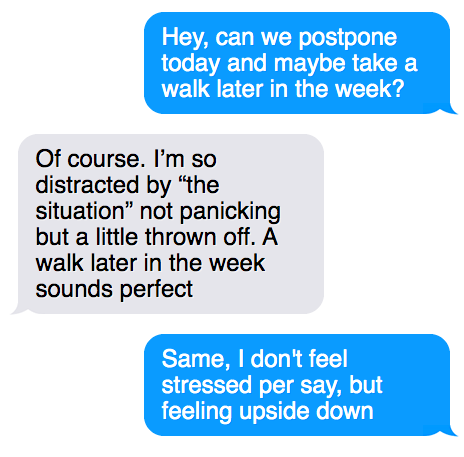
In times of chaos and duress, we experience a variety of bodily responses across the flight-fight-freeze spectrum. Because of the palpable layer of unrest that pervades the atmosphere right now, we have ample opportunity to observe our stress responses.
Right now, some of us feel energized, some of us feel paralyzed, and many of us are not quite sure what we feel. My defense mechanisms rely on a healthy dose of denial, especially related to my own emotions.
“I don’t feel stressed per se,” was categorically untrue. I just didn’t—or didn’t want to—realize it. Three days after that text exchange. I sent out a staff-wide email to all my colleagues at the Emmanuel Gospel Center. I wrote:
“…I want to remind us all that our first job right now is that as ministers of the gospel of Jesus Christ. You have been created, set apart and equipped for just a time as this. Let faith arise. Let’s not confuse our preparation exercises with our assignment. That is, we should expect the Lord to be giving us specific and targeted instructions about how to focus our time and our energy right now… Work will need to get done, projects will move forward, meetings will happen. We still have our jobs to do, but how we prioritize our to-do lists needs a drastic re-evaluation. I encourage everyone to take time, lots of it, to be praying and in the word like never before. Ask the Holy Spirit to reveal the top few things he wants you to focus on in the next few days or weeks…”
In an endeavor to take my own advice, I sought the Lord: Father, what are you asking of me right now? How should I be prioritizing my time? What might you be speaking to me?

All I heard in reply was, Be present.
That response felt a bit underwhelming to me. But I wanted to be obedient, so I acted on it the best I knew how. I gave myself limits on how much social media I could take in. I tried my best to concentrate on one thing at a time and not multi-task. I made a color-coded master schedule (that I never used) so I could try to balance working from home with watching our two young daughters.
The problem is that I had interpreted “be present” as instructions for behaving better, rather than an invitation to be honestly present to my own feelings before the Father. And God always calls us into being before He calls us into doing.
My “be present” to-do list was just my grasp at maintaining some sense of control. Doing so was a faith facsimile. I was using the language of faith to obfuscate the places where I felt afraid and sad.
At the turn of the new year, many of us were asking God for “20/20 vision in 2020.” The global crisis upon us is shaking every system of the world—every nation, every organization, every individual. Injustice and inequity are magnified. The real condition of our souls is highlighted. Like never before in our lifetimes, we have the opportunity to be radically present to reality.
Before Jesus was arrested and crucified, he warned his disciples of the pain and grief ahead. He also promised the gift of the Holy Spirit, who would guide them into all truth and empower them to live in joy. In John 16:33, Jesus then says, “I have told you these things so that in me you may have peace. In this world, you will have trouble. But take heart! I have overcome the world.”
The other day, I wept and wept and wept. I poured out in worship everything I’d buried—everything I’d tried to exhume through denial, every ugly thing that would want to stay hidden poisoning me from the inside. I was present with the Lord. And it was beautiful.
My prayer for us all, beloved, is that together we would all be:

The Coronavirus Epidemic in Boston: Here’s How Christians Can Respond

I have told you these things, so that in me you may have peace. In this world you will have trouble. But take heart! I have overcome the world (Jn 16:33).
The coronavirus is now a global pandemic, forcing church buildings to close and to move online. Jesus asks us to “Love our neighbor as yourself,” (Mk 12:31) but what does this look like when social isolation has now become our reality?
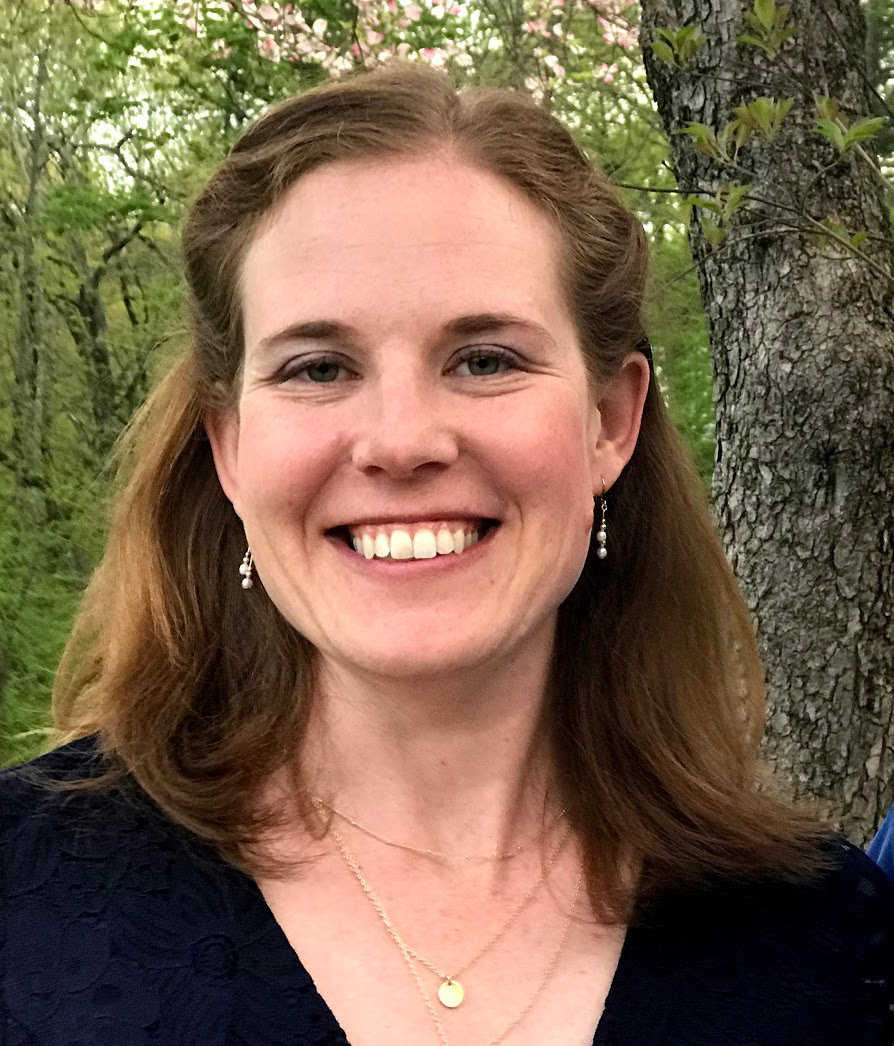
Kelly Fassett is our guest blogger this week – As we all do our best to “flatten the curve” and help minimize the impact of this pandemic locally, she has seen new creative forms of community bubbling up in all sorts of different places – from online neighborhood groups, to inter-clergy video calls with Mayor Walsh and the Superintendent of the Boston Public Schools. The world now has a common “enemy,” and this is a powerful force to bind people together.
Today, she offers six opportunities for Christians to be involved in serving our neighbors at this time.
These are just a few of the growing number of practical ideas that she has heard about based on her conversations and research; please email her at kelly@uniteboston.com if you would like to add something to this list about how we can serve and love the people of Greater Boston:
1. Serving food to students
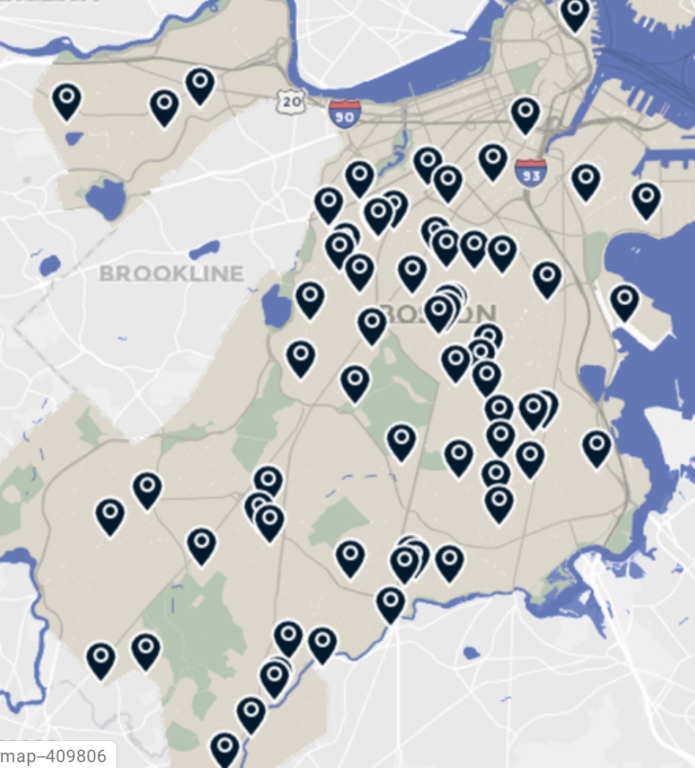
The City of Boston, in partnership with a variety of community organizations, is providing 4800 free meals to all youth and teens at various locations and times across the City. Learn more about meal distribution locations here. Some churches have also recently been added to the list of food distribution sites.
They are looking for volunteers to distribute food at the different locations. The greatest need for your support is in the beginning of the shifts for set up. Here is the link to volunteer.
Also, if you live in Cambridge, food location and pick up times are available here. You can sign up to volunteer in Cambridge here.
2. Donate money and supplies
Boston Public Schools has provided Chromebooks for all BPS students, which cost 5.5 million. To date, they have only raised 1.1 million and would appreciate your generosity in helping to ensure all students have access to computers at home. Monetary donations should be made to the Boston Resiliency Fund. Please make sure to indicate your gift is designated to support Boston Public Schools. Also, Boston Public School staff are requesting new, unused reusable bags, art supplies, and sports equipment such as soccer balls, etc. You can drop these off at the security desk at the Bolling building, 2300 Washington Street, Roxbury, MA. Please ensure items are new, or wrapped and labeled as “donation.”
Finally, Boston Public Schools staff recognizes that there are other resources present within faith-based communities and congregations, and they are surveying to identify other ways that congregations can help. If your church or organization is interested in supporting the Boston Public Schools another way, you can enter it in this form.
3. Support your neighbors
While New Englanders may be known for being stoic and closed off, this has certainly not been the case these past few weeks. On NextDoor.com, folks in Jamaica Plain launched a “street sing along” every day at 5pm, while practicing social distancing. One post entitled, “Let’s Help Each Other Get Through This” had 25 comments of people who are offering their skills and resources for running errands for seniors, tutoring online, and more. Personally, I have made intentional effort to smile and say “hi” to everyone I pass on my daily runs through Franklin Park. We are all in this together – let’s show our support for one another.
If you haven’t signed up for NextDoor, I would encourage you to do so. It’s a great way to be part of the life of your neighborhood. I’d also ask that you consider the individuals you know who are most vulnerable in your community, and reach out to them directly to see how you can help, such as offering to pick up groceries.
Finally, there are also a number of neighborhood-focused groups forming such as the Dorchester COVID Care Facebook Group, as well as mutual aid organizations which list and link resources online in Allston-Brighton, Dorchester, Jamaica Plain and Roxbury and Medford and Somerville. Here is the overarching Boston Community Care Network.
Update – here is a comprehensive database of resources, separated by a variety of topics, for the Coronavirus outbreak, compiled by the Radical Communicators Network.
Last, if you are in need of financial support due to school closing or lost wages from the Coronavirus, you can sign up for financial support through Union Capital Boston or the Boston Dream Center.
4. Pray
As the number of coronavirus cases in our city have grown, it can be easy to be swept into anxiety and fear. It is important that we take our fear and anxiety to God, who lightens burdens and is a sure, strong foundation. The more we allow God’s promises to dwell within us, the less fear can grip us:
‘Those who live in the shelter of the Most High will find rest in the shadow of the Almighty. This I declare about the Lord: He alone is my refuge, my place of safety; he is my God, and I trust him. For he will rescue you from every trap and protect you from deadly disease. He will cover you with his feathers. He will shelter you with his wings. His faithful promises are your armour and protection.’ Psalm 91:1-4, NLT
The mayor and the superintendent of the Boston Public Schools have both independently shared about the value of churches at this time to provide care, guidance, and peace. Churches can use technology creatively to engage in bible study and mindfulness practices – check out this great list of COV-19 Church Strategies as well as Online Resources & Tools compiled by the Massachusetts Council of Churches. Here is also a comprehensive worship-oriented list of Resources for Churches Adapting to Social Isolation.
Some churches may want to open their doors for a quiet space for prayer. If you do open your doors, be sure to keep the numbers low, follow social distancing rules and a sanitization protocol. Finally, the American Bible Society is offering a free resource that “reminds us to remain anchored in God’s wisdom and peace as we navigate what may feel like chaos around us.” You can download their trauma-informed resource “Beyond Disaster” here.
5. Stay connected with friends and family
While everyone is talking about “social distancing,” in reality what we are encouraged to do is physical distancing. It is important that we continue to find community and connect with loved ones to connect socially; technology enables us to reach out to friends and family via phone or video call, without the risk of exposure.
Boston Mayor Marty Walsh encouraged each of us to safely connect with loved ones who are particularly vulnerable and isolated, such as elderly relatives and neighbors, single people, and people who have lost their jobs.
“Reach out to a senior, to a neighbor, to someone with a medical condition, to a parent with children, to anyone who could use a word of support or a connection to a resource, by phone calls, text, email, video chat, or just a smile across the hallway, a smile across the yard. Let them know they’re not alone.”
You can also have a mini-worship service at your home to share concerns, pray, and sing with your family. Here is also a great article describing how you can talk about COVID-19 with your kids. Check out this great Family Resource Guide, published by Outdoors Rx, which includes education resources and learning at home, virtual museum tours, links to free home workouts and more, as well as Resources for Prayer and Faith Formation at Home published by the Archdiocese of Boston.
6. Find Moments to Smile
While this can be a heavy season, it is important to find moments of humor. I have found some hilarious meems online about social distancing. Additionally, in Chapel Hill, the worship pastor of Christ United Methodist Church wrote a “Hymn for Handwashing,” to the tune of “Amazing Grace”: “Amazing soap! How sweet the smell, that keeps our hands germ free! Please wash your hands, and dry them, too, that we might healthy be.” Get creative – together we can make the best of this.
This is an extraordinary time to be alive, and we trust that God is at work amidst of all the challenges. My friend Sherami shared with me that “in this season of COVID, we are experiencing a global “unity” in our fragility.” In the midst of crises, people often reach out to God. Let’s keep praying that this season of uncertainty will cause many to prioritize in life, and discover the One who is Unchanging and Everlasting – Jesus Christ our Lord.
With you,
Kelly Fassett
Other Links:
- Guidance for Faith Leaders from the City of Boston, includes information about holding funerals and wakes
- Click here for recommendations from the Massachusetts Council of Churches on how churches might deal with financial strain.
- COVID-19 Small Business Recovery Fund: A loan fund of $10 million has been created to provide financial relief to Massachusetts businesses and nonprofits that have been affected by COVID-19.
- Corona Virus Resource List – All kinds of resources here, including food and financial support
Erik’s Journey of Yearning for Unity Across Christians
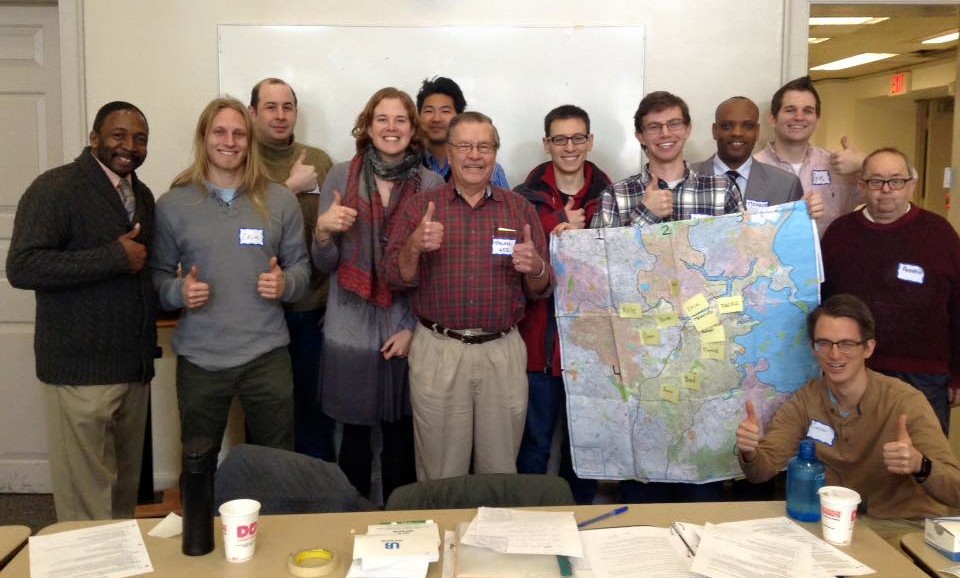
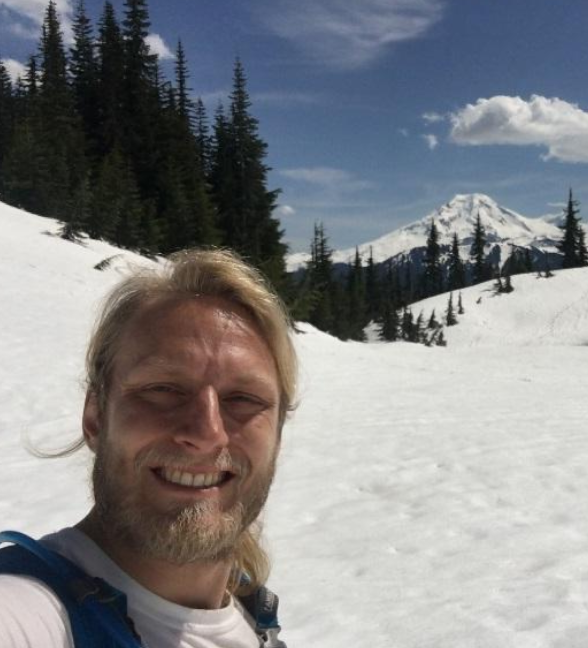 This week, Erik Johnson is our guest blogger. Erik lived in Cambridge for 7 years and was a member of the original “UniteBoston Reps” team. Erik is an electrical engineer who recently moved to Oakland CA with his wife Erjona to join a friend’s startup. He is passionate about deep theological conversations, being with friends, hiking, playing rugby and engineering hobby projects. Read his story below to hear how Erik’s experiences inspired him to yearn for greater unity across Christians.
I grew up in a rather homogeneous area of West Michigan, where my family regularly attended an independent Baptist church. I am eternally thankful to this church and my parents for their genuine example of following Jesus and the education I received early on of the Bible and the Christian faith. Generally speaking, my understanding of the Christian faith was pretty narrowly focused on my experience at this church. Though I did occasionally meet in a formal setting with other Christians as a public school student, I didn’t ever give much thought to the various Protestant denominations. With Catholics, however, I was taught that they were more seriously in error in matters of doctrine related to salvation and the pope.
As I began college at MIT, I discovered that the world was much bigger and more complex, with both more magnificent beauty and more twisted evils than I had yet known. Within a couple of weeks, I had somehow or another made friends with many Muslims, in particular one who would become my best friend and roommate for the next 5 years. After about a year or so into college when the excitement of classes and student clubs had waned, I started to consider the reality that the worldview which I grew up with was just one of any number held by my fellow classmates. And, if in fact Christianity is true, what version of Christianity should I be a witness to? Over the following years, I attempted to read about and discuss the big questions of life, and criticisms of Christianity, as I wrestled with the historical and theological Christian claims, especially vis-à-vis the Islamic claims about Jesus.
Throughout these years in college, I was fortunate to have fairly extensive travel experiences where I could worship and be challenged in different churches. This included attending a Pentecostal church in Ghana for three months, then a Catholic Church in India for five weeks, and finally an Anglican Church in Jordan for two months. During various layovers, I managed to attend services at Westminster Abbey, Notre Dame, St. Peter’s Basilica, and the Cathedral of the Ecumenical Patriarch in Istanbul. Finally, during a trip to Jerusalem while I was in Jordan, I was able to experience a representation of nearly every major Christian tradition.
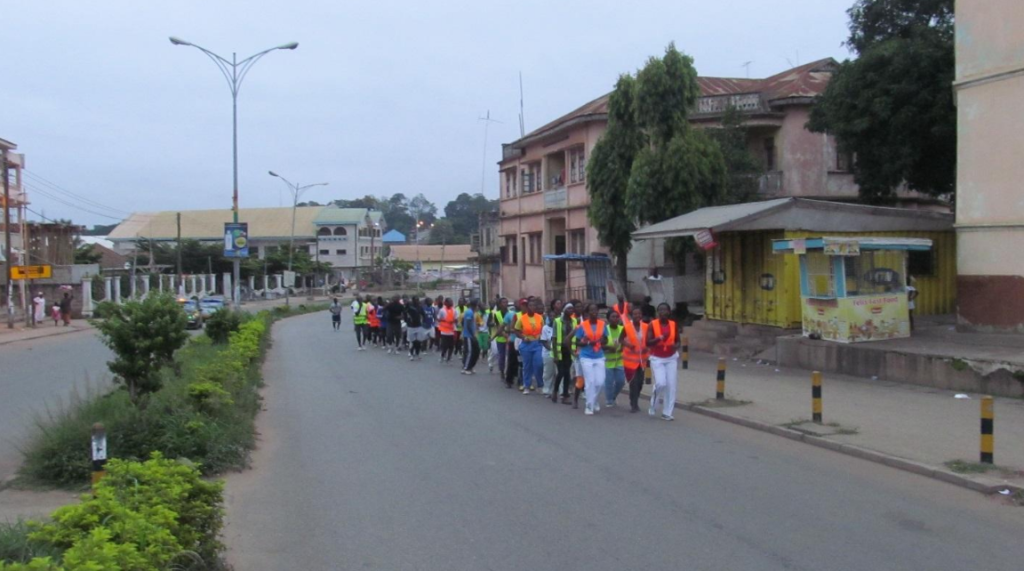
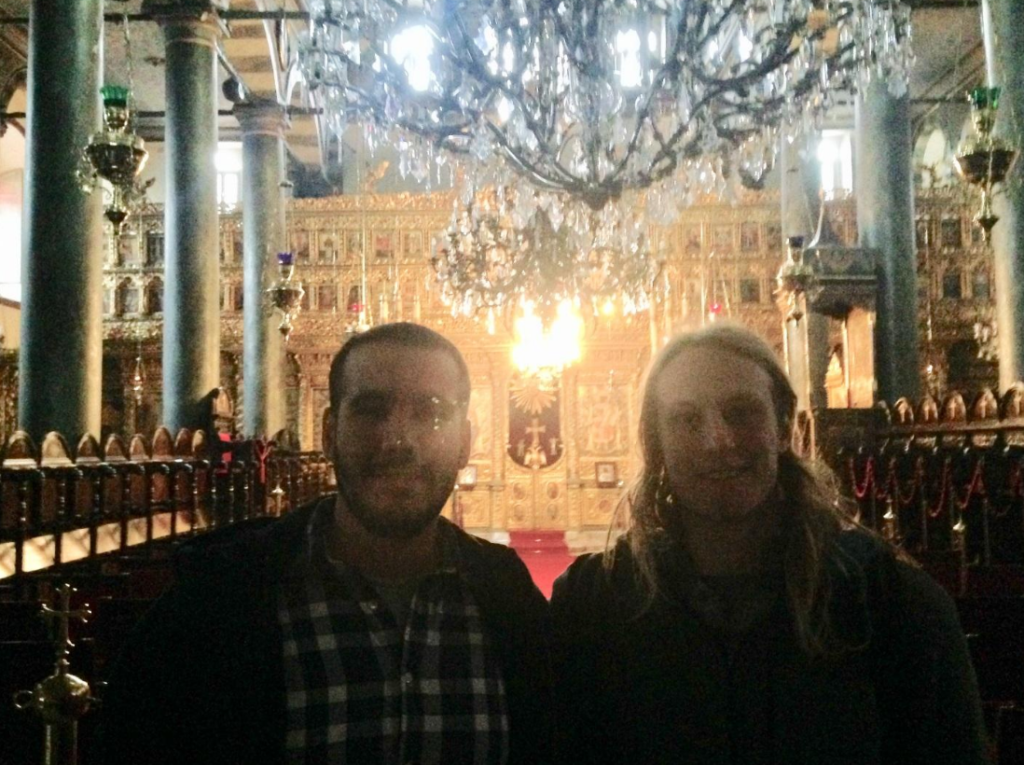
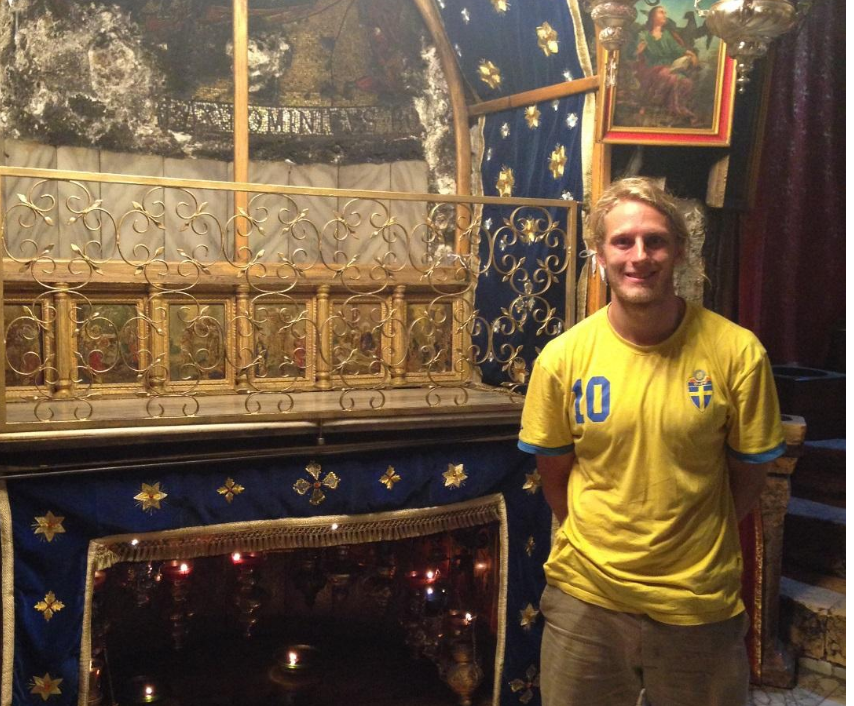
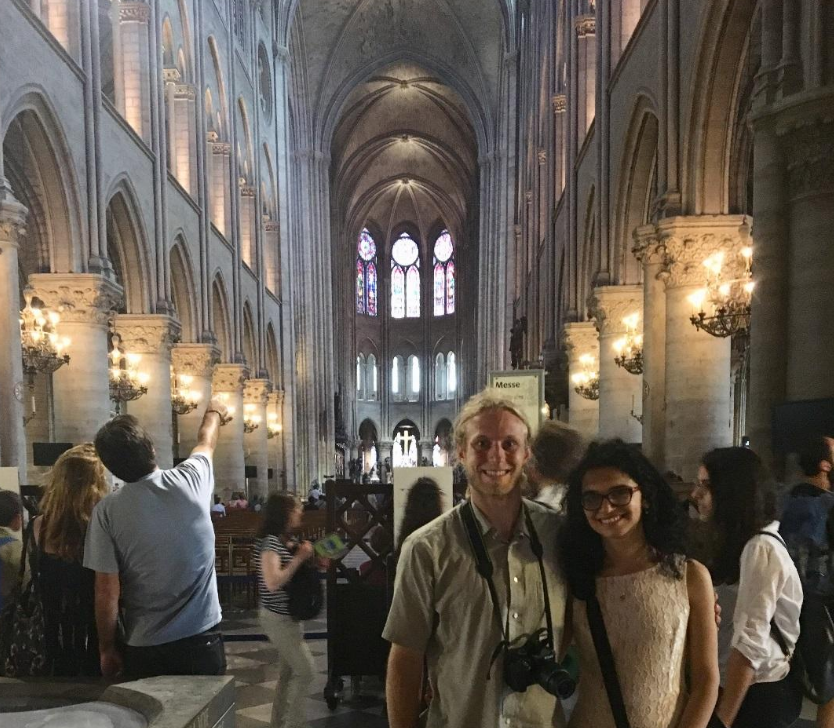
Through all of these experiences and personal study, I began to realize that I had gained a much deeper knowledge of what it meant to follow Jesus, both in the first century context and in other places around the world. Back on campus, I was able to relate with Christians coming from different backgrounds in a deeper way. For example, I spent any Friday afternoons walking over the bridge to St. Clements to pray with a good Catholic friend. Through my experiences and readings of Christian history, it became ever more apparent to me that the Christian tradition was much bigger and richer than I had previously known, with a saddening amount of painful disunity throughout the centuries. Thus, I had to go beyond associating myself as only within a local like-minded Protestant church, and instead intentionally relate to brothers and sisters in Christ from other backgrounds and traditions. As I got to know these other Christians, I felt the pain of division and disunity more strongly, and desired to make a difference to heal these divisions in some way.
At some point on this journey, I connected with Kelly and UniteBoston. I was super excited to hear that I was far from alone in my yearnings for real connections across Christian traditions. UniteBoston’s worship and prayer gathering at an orthodox church during the Week of Prayer for Christian Unity, and the mass at the MIT Catholic chapel with a focus on Christian unity was particularly impactful for me. I vividly remember the adoration time after the mass where we all worshiped together—Jesus’s presence was certainly in the room.
So why Christian unity? I have written a more detailed paper on this question, but I see at least four reasons for why we should want unity. First, Christian unity is God’s desire and the final prayer of Jesus in John 17. Second, St. Paul exhorts and even demands us to be united. Third, our failure to be united in our witness of the good news and new life in Jesus is one of the most significant reasons why people throughout the centuries have rejected the Gospel. When I was reading through the Quran for the first time, I was shocked to see that in Surah 5:14, it states that Allah put enmity and hatred in the hearts of Christians towards each other. Considering the fact that Arabia at the time of Muhammad contained various Christian groups ostracized by the Byzantine Orthodox Church, this perspective fits. The divisions would sadly continue to prove true in the following centuries of Islamic expansion and interaction with Christians, up until even today. Given that Islam teaches that Christianity became corrupted in various ways, I don’t have to be a Christian missiologist to see that our disunity is a significant factor in Muslims being historically resistant to the gospel. Finally, the formation of a united “catholic” people of God from all nations is implicit in the kingdom of God that Jesus inaugurated and that the Jewish prophets looked forward to.
While the road to unity is neither clear nor easy, I think the obvious first step is for more Christians to desire unity. When there is a will, there is a way, especially when that will is motivated by love, and how much more is this true considering Christ’s love and the power of the Spirit. Second, Christians can nurture positive respect for each other. This can be accomplished by purposefully learning more from each other through finding time to serve, worship, study and pray together. We can even try and find ways to support each other financially when one community is particularly in need. We can begin to learn the rich Christian spiritual traditions of one another, and how we have, especially in the last 100 years, come to agree on many, though not all, of our historically divisive issues. Through these relationships, we will better know and love each other, better understand where the real differences lie, and be brought towards the necessary conversion of being more visibly one.
“I therefore, a prisoner for the Lord, urge you to walk in a manner worthy of the calling to which you have been called, with all humility and gentleness, with patience, bearing with one another in love, eager to maintain the unity of the Spirit in the bond of peace. There is one body and one Spirit—just as you were called to the one hope that belongs to your call— one Lord, one faith, one baptism, one God and Father of all, who is over all and through all and in all.” (Ephesians 4:1-6)
The Transforming Work of the Spirit at Pentecost
“But you will receive power when the Holy Spirit comes on you; and you will be my witnesses in Jerusalem, and in all Judea and Samaria, and to the ends of the earth.” – Acts 1:8
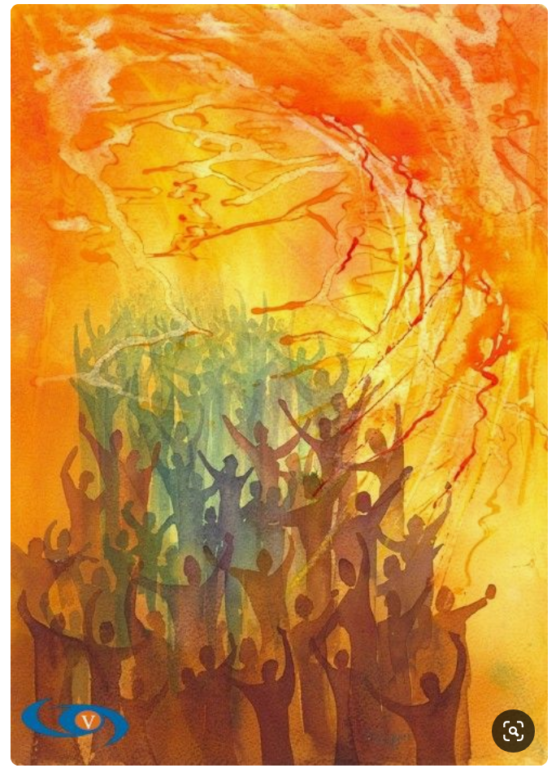
This week, Christians throughout the world are celebrating Pentecost, when the Holy Spirit was released with fire and wind. It was the fulfillment of the prophet’s promise of a new covenant where God would write the law on hearts and resulted in the reuniting of nations.
In light of this, we are featuring a blog written this week by Father Peter Gyves from A Faith That Does Justice. A Faith That Does Justice is an “interfaith organization based in Boston that raises consciousness about social issues affecting the most vulnerable among us and offers opportunities for people to walk in solidarity with those who our society marginalizes.” You can sign up to directly receive updates from them by completing the simple form at the bottom of the home page of their website.
“Peace be with you … Receive the Holy Spirit.” (John 20:22)
The Church celebrates Pentecost fifty days after Easter to commemorate the empowerment of Jesus’ disciples with the Spirit. It led to their spiritual transformation from a fragile faith in the risen Jesus to peace, joy and the wisdom to proclaim God’s message of forgiveness and salvation to the ends of the earth. Their witness resulted in the birth of the Church.
In the Acts of the Apostles (Acts 2:1-11), Luke describes the descent of the Spirit as a strong driving wind and tongues of fire, an adaptation of Israel’s own Pentecost, the Feast of Weeks, that commemorates both the wheat harvest and Yahweh’s giving of the Torah to Moses on Mt. Sinai. It also bears witness to Israel’s own birth as a covenant people. In John’s gospel (Jn 20:19-23), the disciples encounter the crucified and risen Jesus in fear and behind closed doors. He offers them his peace and shows them his wounds so they might believe he is truly risen. He then empowers them with the Spirit and sends them in mission to be to the world what he has been to them. While they needed time to assimilate what they had experienced and the demand it placed upon them, eventually they offered their lives in Jesus’ name.
Today, the Spirit of Pentecost’s gifts of wisdom and courage remain available to all people of good will so they might witness to God’s offer of forgiveness and salvation to our fractured world. For Christians, that same Spirit calls us to live as Jesus did, incarnating God’s love, compassion and justice on behalf of all God’s people. Let us pray that the Spirit will transform our own fragile faith into one that, like the disciples, engages society by actively witnessing to God’s enduring love for all of creation and deep desire for a reign of peace that is based in justice and extends from the depths of the oceans to the outer reaches of space.
A Pentecost Prayer for Christians in Greater Boston
God, as Christians in Greater Boston, we receive the gift of the Holy Spirit. Renew our hearts which have grown cold with flames of fire that we might be the church that you desire.
Letter from Birmingham Jail: Public Reading & Reflection
All are welcome on the anniversary of Dr. King’s death for a public reading of Letter from Birmingham Jail, with times of personal and community reflection.
The Letter began in the margins of smuggled newspapers in response to criticism from moderate white clergy, and became the moral framework for the Civil Rights Movement. Today, it continues to call people of all faiths and none to pursue reconciliation in our communities.
With special guest Rev. Emmett G. Price III, Ph.D. Dean of the Chapel & Founding Executive Director of the Institute for the Study of the Black Christian Experience at Gordon-Conwell Theological Seminary.
For questions or more information email richard@nscbc.org
- « Previous Page
- 1
- …
- 9
- 10
- 11
- 12
- 13
- …
- 17
- Next Page »