UniteBoston

Bridging Divides Across Christians for the Flourishing of the City

  • Home
  • Events
    • Submit Event
  • Join In
    • Beloved Community Lab
    • Migrant Care and Solidarity
    • The Church and Civic Engagement
    • The ATTIC
    • Kingdom Conversations
    • Worship & Pray
    • Boston Flourish
  • About
    • UB Board, Staff & Volunteers
    • Cohorts
    • Missional Letter
    • Annual Reports
    • History
    • Christian Unity
  • Forums
  • Blog
  • Give to UniteBoston
  • Contact
  • Search

Mar 09 2017

A Word to White Evangelicals: Now is the Time to Engage Issues of Race

Today, we feature a guest blogger, Megan Lietz, who is an Applied Research & Consulting Associate with the Emmanuel Gospel Center. She challenges the Evangelical community about the critical opportunity today to engage in conversations and action around racial equity.

Check out her blog article here: https://www.egc.org/blog/2017/2/22/a-word-to-white-evangelicals-now-is-the-time-to-engage-issues-of-race

Written by uniteboston · Categorized: Blog · Tagged: city, community, emmanuel gospel center, MIT, unity

Feb 16 2017

Keep the Fire Burning: An Article from Koinonia Magazine

Tom Ryan, CSP

Some people have said that the Christian unity movement has been in an “ecumenical winter.” However, Father Tom Ryan, who directs the Paulist North American Office for Ecumenical and Interfaith Relations in Boston, contends that “the signs are there that the Holy Spirit is alive and active, lighting the fire in our hearts for more visible communion with one another as followers of Jesus.” Father Tom was one of the most consistent attendees during UniteBoston’s Week of Prayer for Christian Unity and in this article, he describes how encouraged he is about the movement he sees in Boston of Christians coming together to receive their calling as ambassadors for unity.

Originally posted here, republished with permission.


Keep the Fire Burning

by Thomas Ryan, CSP
February 6, 2017

The ecumenical movement spread through Christian churches like a wildfire in the late 1960s, through the 70s, and into the 80s, fanned significantly by the entrance of the Roman Catholic church after the Second Vatican Council into the work for Christian unity.

Around the turn of the millennium, there was a substantive reshaping of relationship among a significant number of churches. In 1997 the Evangelical Lutheran Church in America and the U.S. Episcopalian Church judged that their process of growth in agreement had reached sufficient maturity to enter into full communion with one another.

The Reformed Church in America, the United Church of Christ, the Presbyterian Church USA, and the Evangelical Lutheran Church in America also entered into full communion with each other with mutual recognition of ministries, sacraments, exchangeability of ministers and members.

And in 1999 the Roman Catholic Church and the Lutheran World Federation signed a Common Declaration on Justification by Faith, burying the hatchet on one of the core issues of the Reformation and creating a new context on the road to full communion between the Reformation Churches and the Roman Catholic Church.

Fire Dying Down
Prayer Service for Christian Unity

Prayer Service for Christian Unity

But in the first decade of the new millennium, one began hearing references to the “fire dying down” or to the “winter of ecumenism”. A variety of factors contributed to this shift in temperature: Diminishing congregational numbers resulting in increasing denominational self-focus and self-definition for the sake of survival. The increasing religious pluralism of the country with its call to interreligious encounter and engagement. The emergence from the culture wars of new church-dividing questions like the nature of sexuality and marriage, and who can be ordained?

Workshop on Christian Unity

Workshop on Christian Unity

What is needed in our time are reminders that the Church’s mission for unity has not been and cannot be shelved. The thematic scriptural passage for the January Week of Prayer for Christian Unity provided that reminder: “God reconciled us to himself through Christ and has given us the ministry of reconciliation.” (2 Cor 5: 18,).

In other words, the Church is the community of those who, because of Christ, are no longer separated. It is a contradiction in terms to speak of “separated Christians”, for reconciliation, unity, is the very nature of the Church of Christ. To be in communion of life with one another as Christians and bring that message of reconciliation to others is our baptismal vocation. In short, the Church we are called to be is the community of those who-–because of Christ—are no longer separated.

Energizing Reminders
coptic-choir
Coptic Orthodox choir

Do we need energizing reminders in these turbulent times that this call to unity, this vocation, is more real and needed than ever? Yes, we do. And the signs are there that the Holy Spirit is alive and active, lighting the fire in our hearts for more visible communion with one another as followers of Jesus.

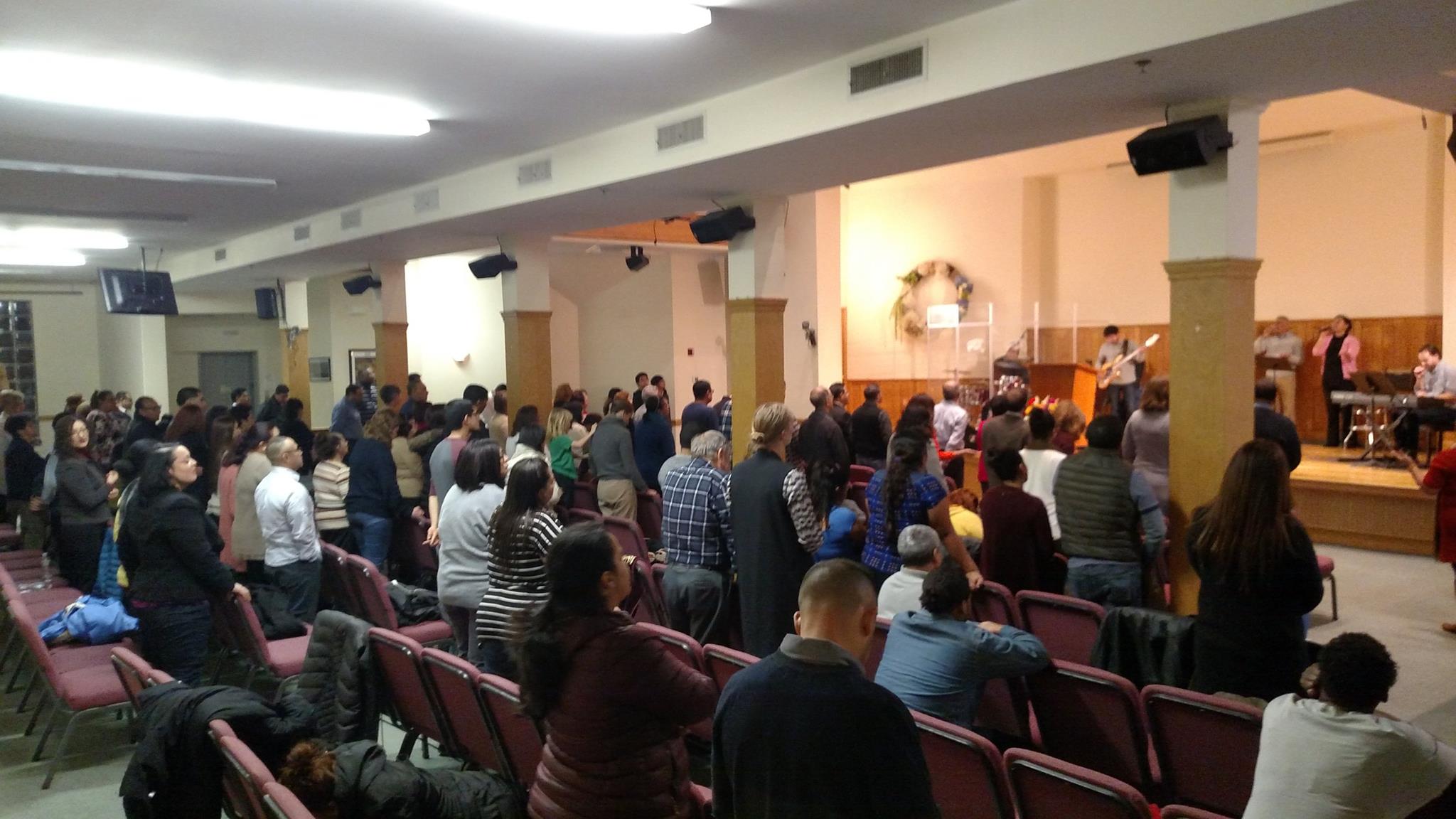
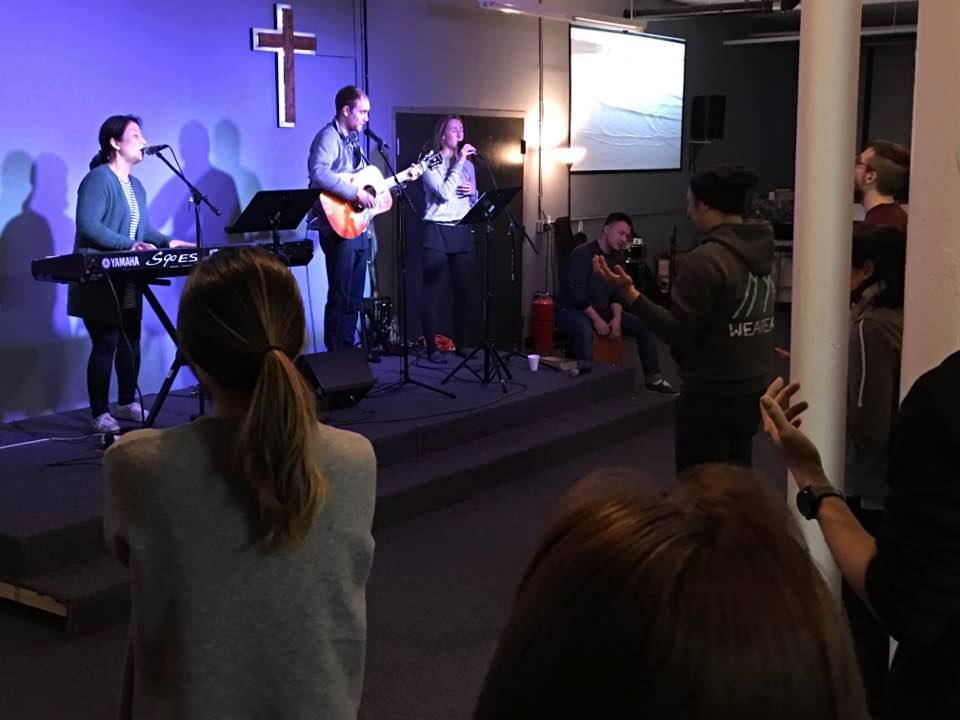
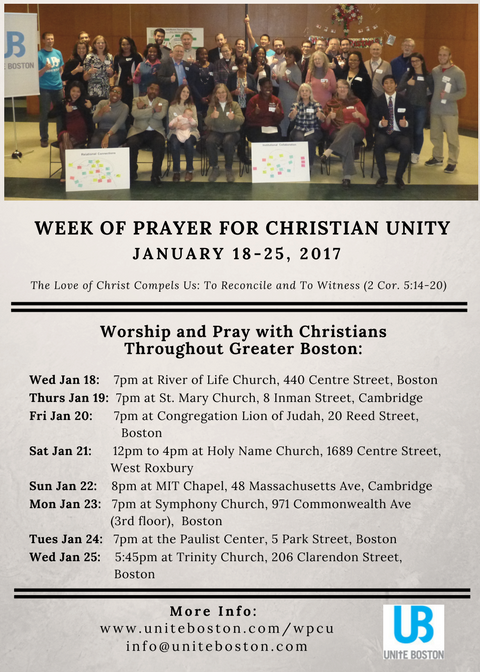
Such signs were manifest in Boston during the January 18-25 Week of Prayer for Christian Unity. There was a prayer gathering in a different denominational church each night of the week. On the opening evening, Wednesday, Christians from around the city gathered in an Evangelical church. On Thursday evening, people came together in an Eastern Orthodox church. And on Friday evening there was an energizing service of song and prayer in a Pentecostal church.

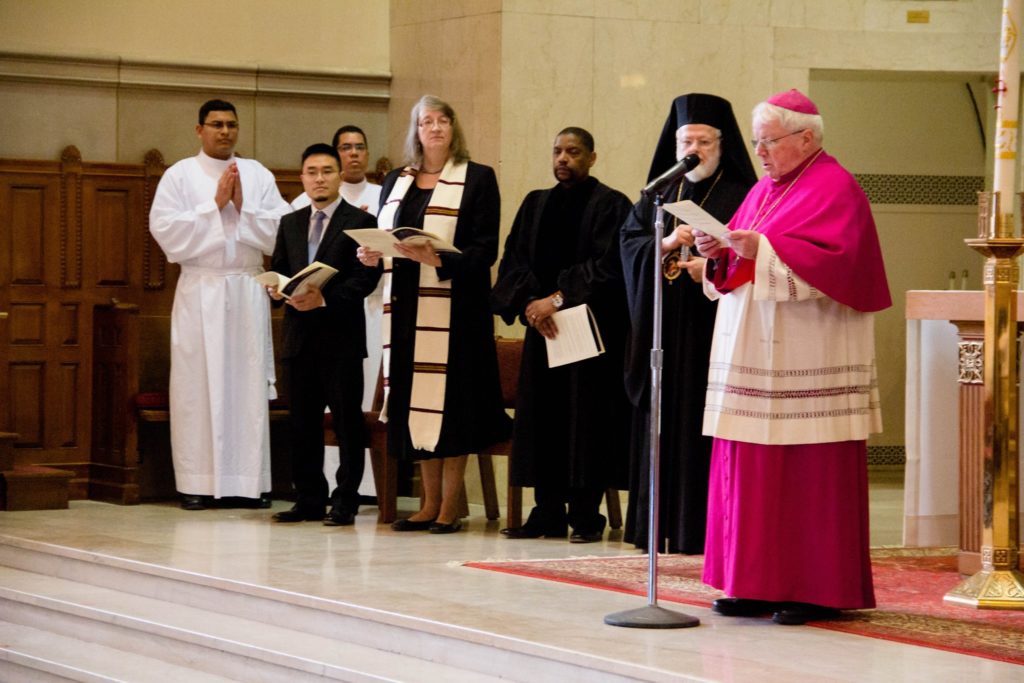
Co-Presiders at prayer service

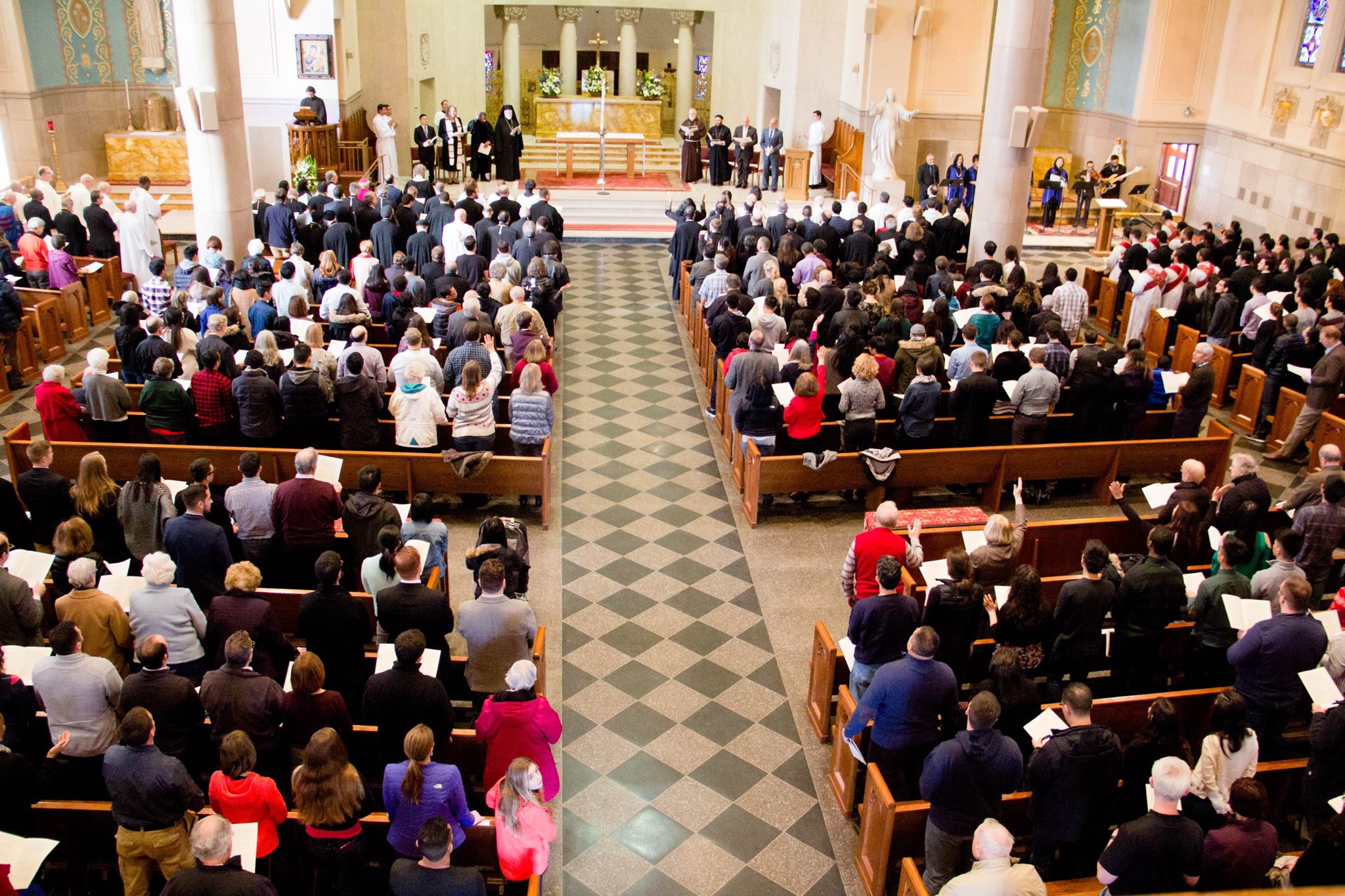
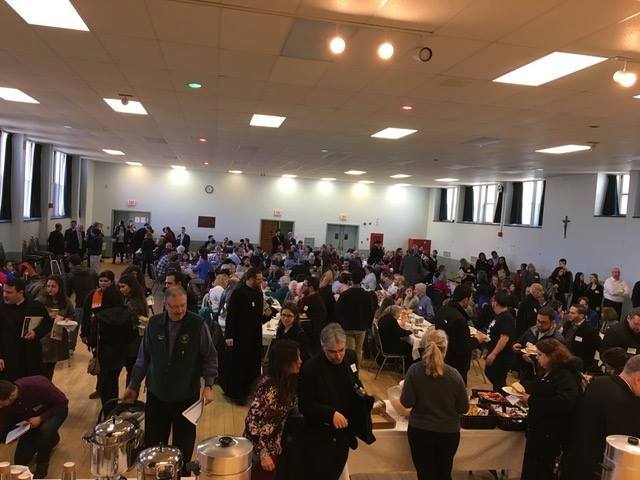
Then, on Saturday afternoon, over 800 people from a broad spectrum of denominations came to a Catholic church to meet and talk over lunch, share faith in workshop discussions,  join their hearts and voices in a prayer service, and after, to participate in a mission and volunteering fair in the church hall. The variety of music served as a symbol of the richness of gifts within the Christian family, led in turn by a Pentecostal worship team, an Orthodox Byzantine choir, a Coptic Orthodox choir, a Taizé chant group, along with regular Catholic/Protestant hymnody. The service was co-presided by eight church leaders, and in his homily Cardinal Sean O’Malley reminded those present that we are all members of the one body of Christ through our common baptism, and that “our divisions are an impediment to our announcing the gospel and prevent people from accepting the good news.”

Cardinal Sean O'Malley
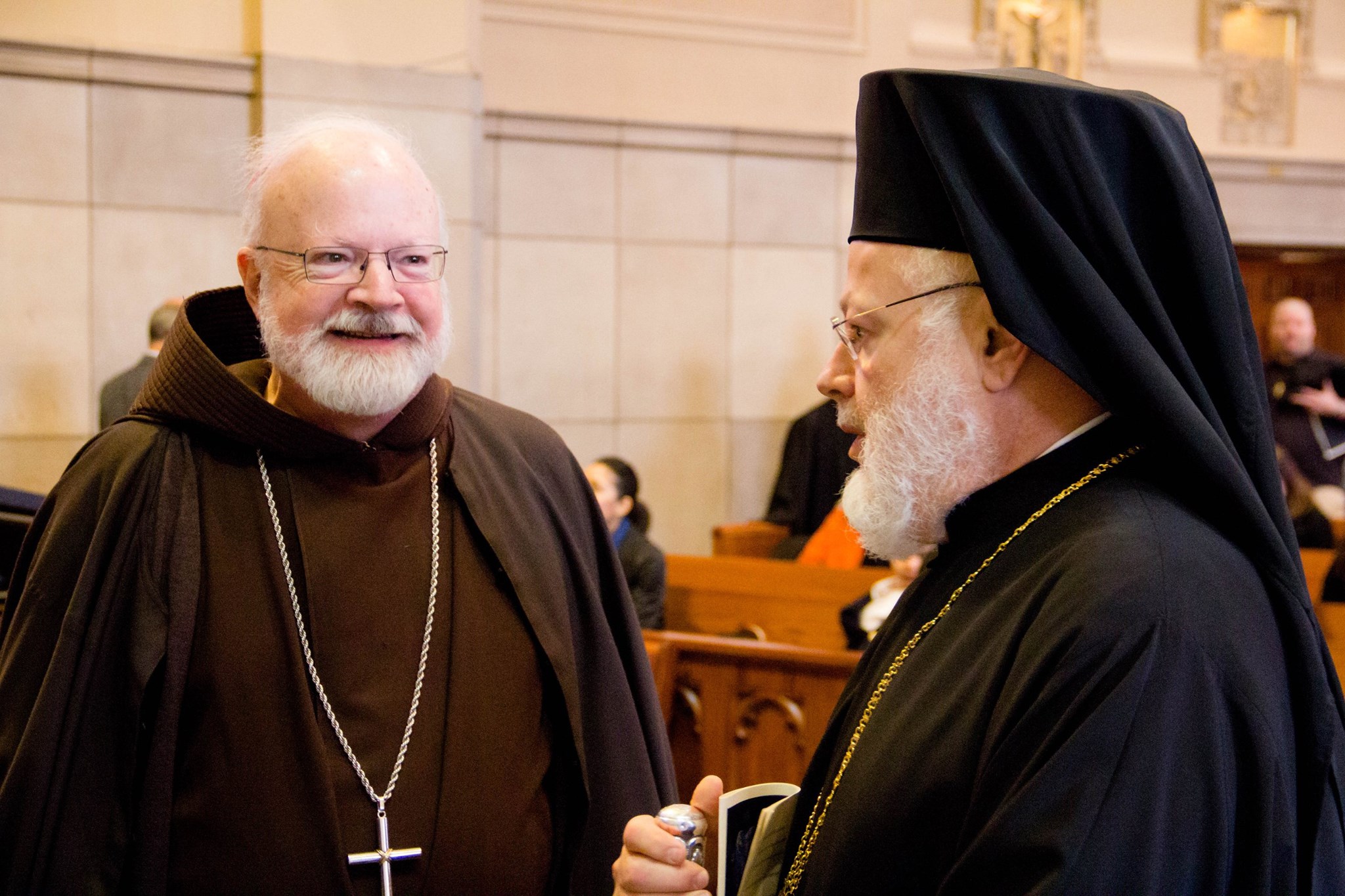
Cardinal Sean O’Malley

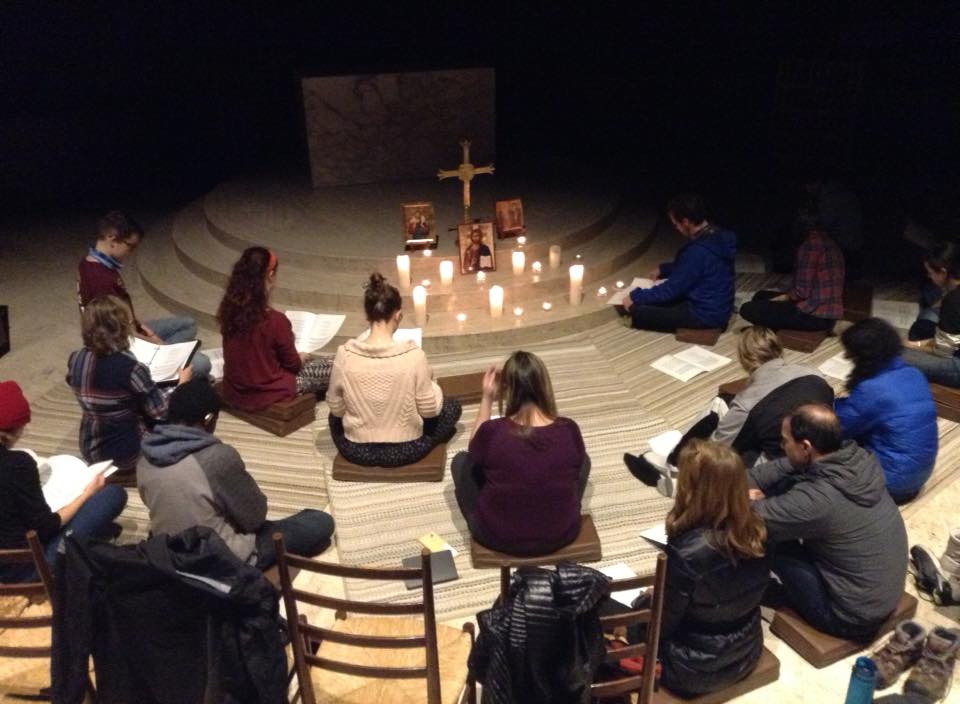
On Sunday evening, students at the Massachusetts Institute of Technology led an evening of sung prayer in the style of the ecumenical community of Taizé. On Monday evening, Asian Evangelicals hosted a prayer gathering. On Tuesday evening, Catholics and Lutherans co-hosted a service in the Paulist Center chapel commemorating the 500th Anniversary of the Protestant Reformation. And Episcopalians brought the week to a close in their church with an Evensong service for all. Each evening, after the service, there was a reception with refreshments, and those present were encouraged to go and meet some fellow Christians they’d never met before and learn something about each other’s church communities.

Scott Brill, Bishop Arthur Kennedy, Vito Nicastro

We need to hear good news like this and draw inspiration from such events to keep the fire for Christian unity alive and well in our own towns and cities. All these events were stimulated and overseen by two new local ecumenical networks founded in 2012 by individuals in whose hearts the fire for unity burns: UniteBoston (Kelly Steinhaus), and the Ecumenical Institute (Vito Nicastro and Scott Brill).

“God reconciled us to himself through Christ and has given us the ministry of reconciliation…. We are ambassadors for Christ, since God is making his appeal through us” (2 Cor 5: 18,20).  When we accept our role as ambassadors for unity, the Holy Spirit will use us in ways unimagined to keep the fire burning.

What might you do?


Fr. Thomas Ryan, CSP, directs the Paulist North American Office for Ecumenical and Interfaith Relations in Boston. 

Written by uniteboston · Categorized: Blog · Tagged: christian unity, lent, reconciliation, uniteboston, unity

Jan 31 2017

2017 Week of Prayer for Christian Unity: Photos and Testimonies

This year, we sought to make the Week of Prayer for Christian Unity truly reflective of the denominational and ethnic diversity within Boston’s Christian community.

By God’s grace, this happened! The anchor event on Saturday, January 21st had 22 co-sponsoring churches and institutions, drew together over 800 people, and has been called the largest and broadest gathering for Christian unity in Boston ever.

The concluding line in the gospel reading for that day was “We have seen incredible things today.” Indeed, God did great things in our hearts as we lifted up Jesus together, both on Saturday and throughout the week of nightly prayer gatherings. But, don’t take my word for it! Check out the photos and testimonies below to celebrate what God has done!

Photos


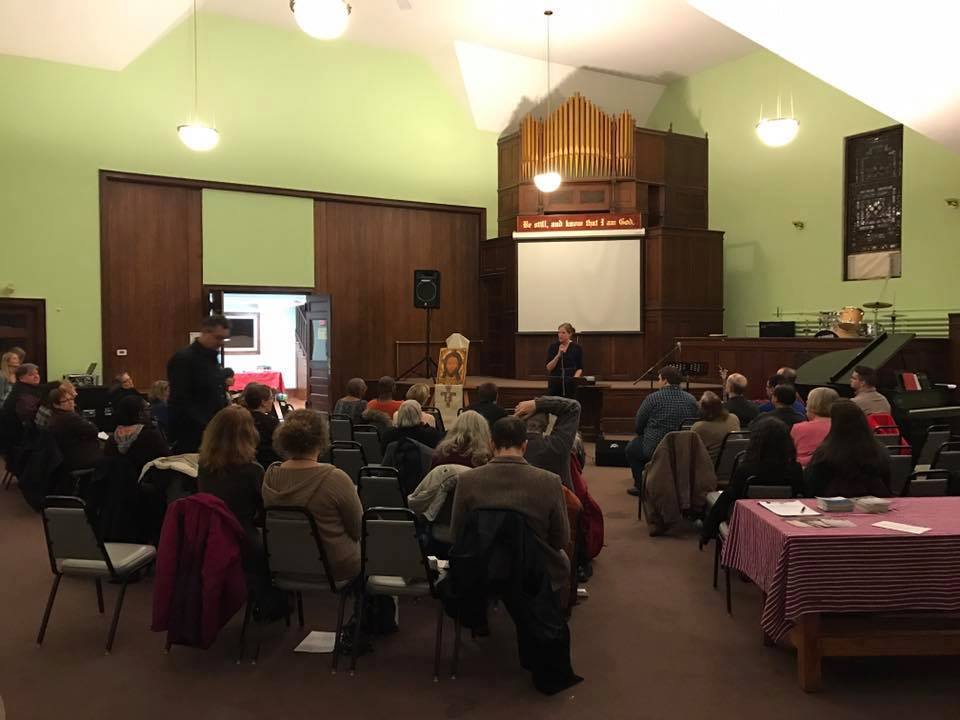
Wed Jan 21: Jamaica Plain Churches, including River of Life Church, Heart Change Fellowship, Bethel AME Church, the Community of St. Egidio, and Unidos en Cristo


Screen Shot 2017-01-31 at 10.09.47 AM

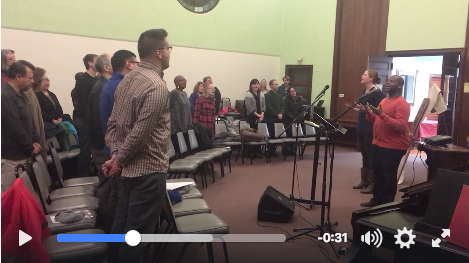
Wed Jan 21: Video of singing “Amazing Grace” together at River of Life Church


16265306_10154981779093035_1037100832519585475_n
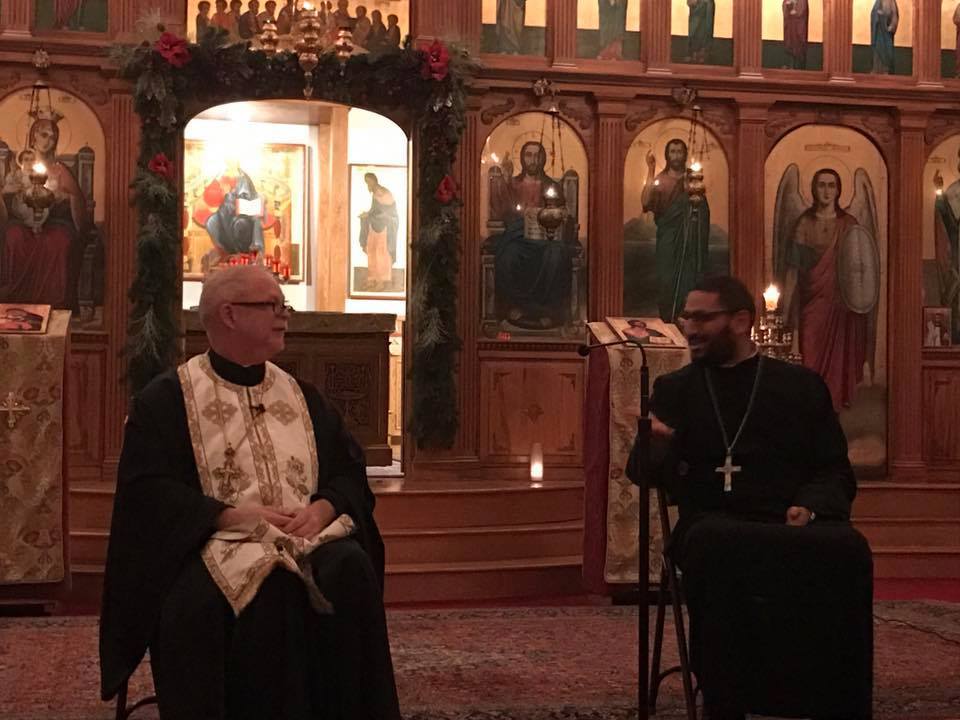
Thurs Jan 19: Fr. Antony Hughes from St. Mary Orthodox Church and Fr. Mina Kaddis from the Coptic Orthodox Church of Boston


16107466_10158246624610601_404901059484926888_o
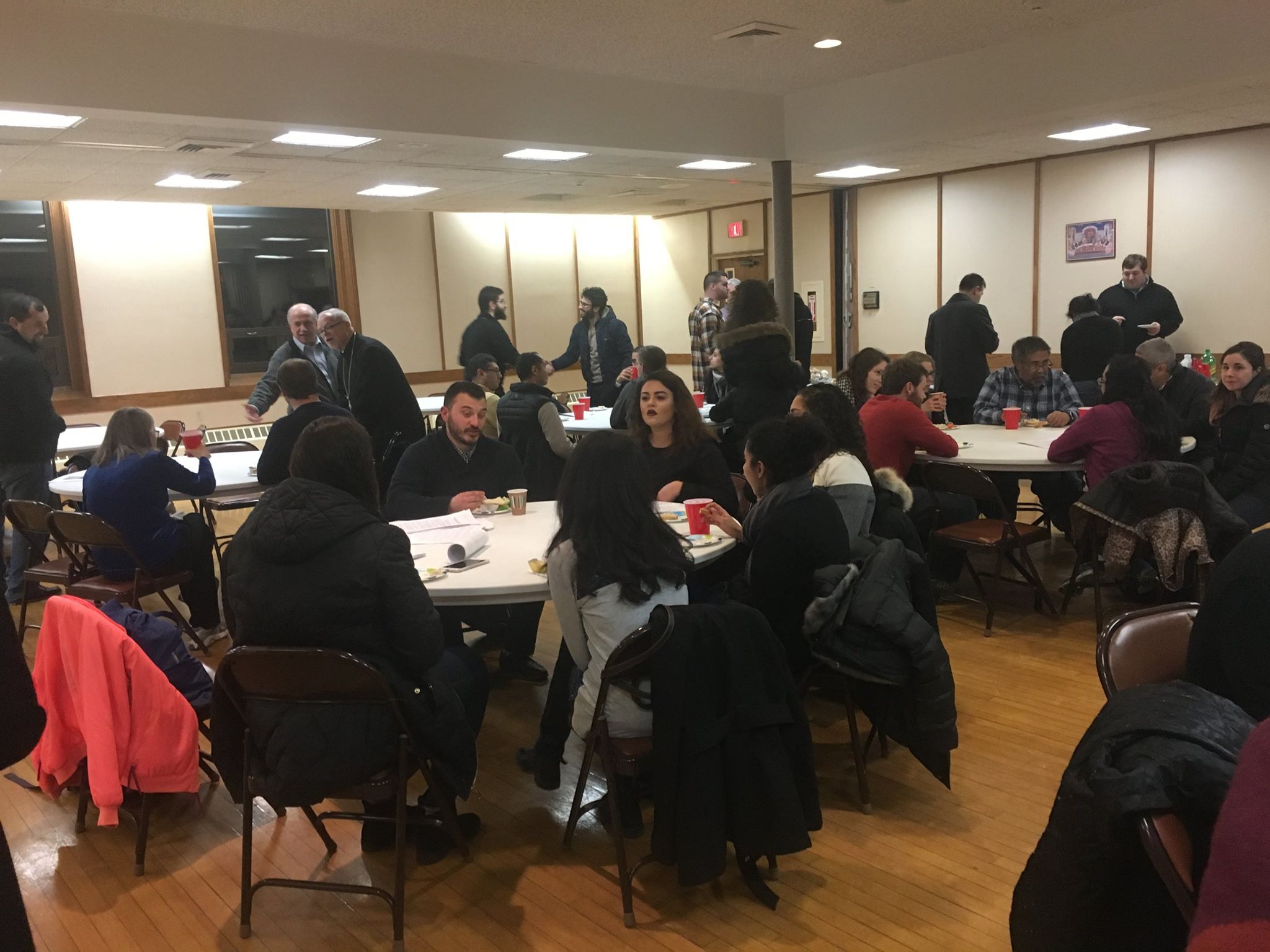
Thurs Jan 19: Snacks and Fellowship together


16299603_10154981748548035_4496910588366706955_o
Fri Jan 20: Hispanic Pentecostal Worship, including Pabellon de la Fe Church and Congregation Lion of Judah

Co-Presiders from diverse Christian traditions at the January 21st Prayer Service. From left to right: Pastor Barry Kang from Symphony Church, Rev. Dana Baker from Grace Chapel, Rev. David Wright from the Black Ministerial Alliance, Metropolitan Methodios from the Greek Orthodox Metropolitan of Boston, and Bishop Arthur Kennedy from the  Catholic Archdiocese of Boston.
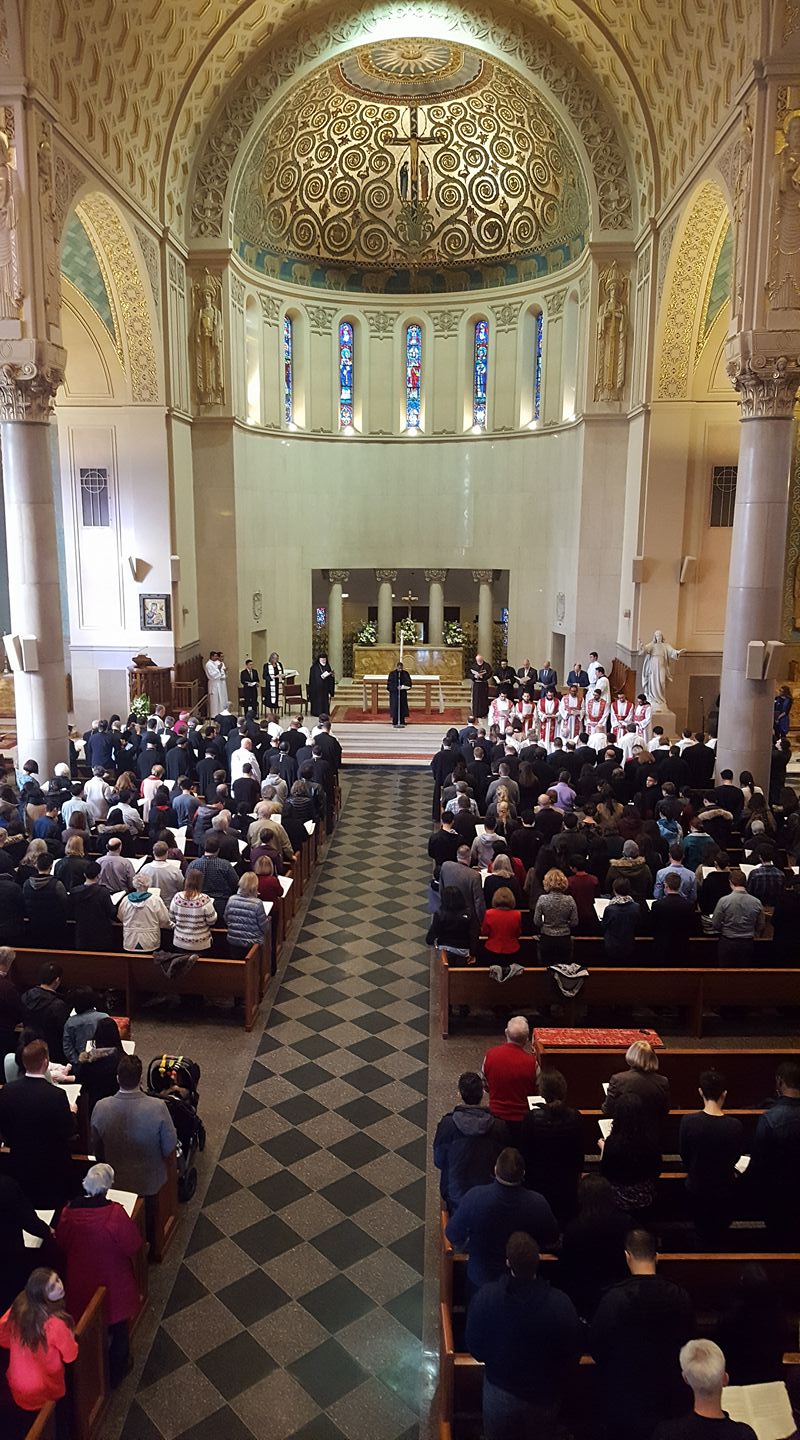
 

16112780_10211985721264773_1393097025071341106_o
Sat Jan 21st: Large liturgical worship gathering with over 800 people in attendance! Pilot photo / Mark Labbe


Another great shot of the large liturgical gathering on January 21st


16300175_10154982665753035_5590171300135956786_o
Sat. Jan 21st: Catholic Cardinal Sean OMalley and Orthodox Metropolitan Methodios exchange greetings. Pilot photo/ Mark Labbe


16265870_10154991629768035_2829462166413651809_n
Sat Jan 21: Missions fair to further missional partnerships across churches. Pilot Photo / Mark Labbe


16114925_10154982572193035_7975707805595384810_n
Sun Jan 22: Taize Prayer at the MIT Chapel


16298862_10154986189118035_1230239911473325598_n
Mon Jan 21: Evangelical worship, including Symphony Church, City Church, and Abundant Grace Church


16266176_10154982571343035_3317014257065274800_n
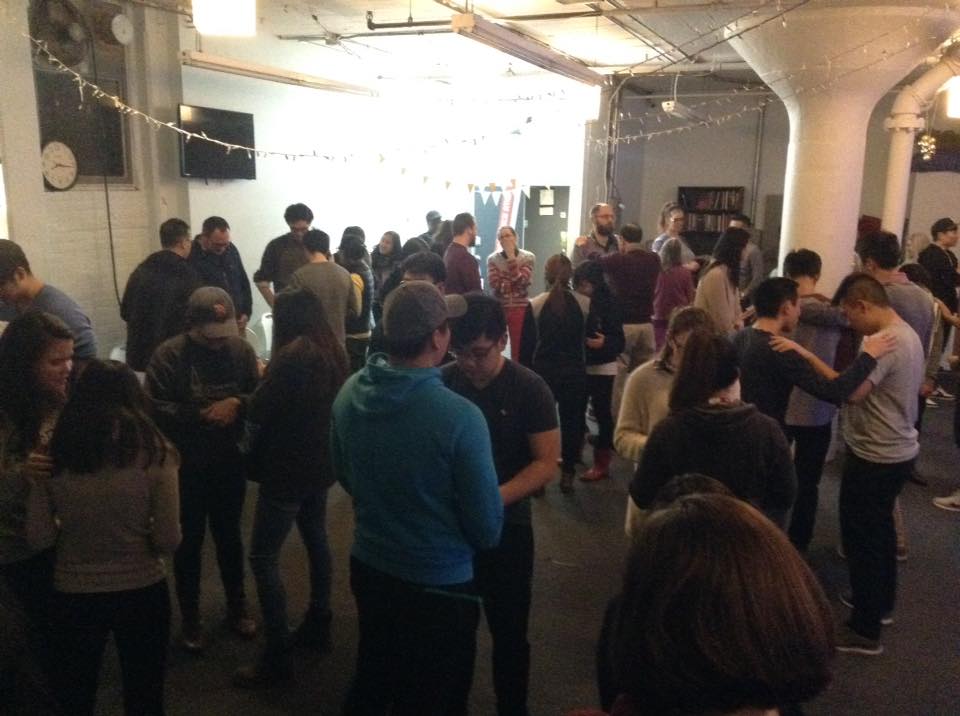
Monday Jan 21: Praying a blessing over one another at Symphony Church


16196037_10154991527083035_3772233709252755141_n
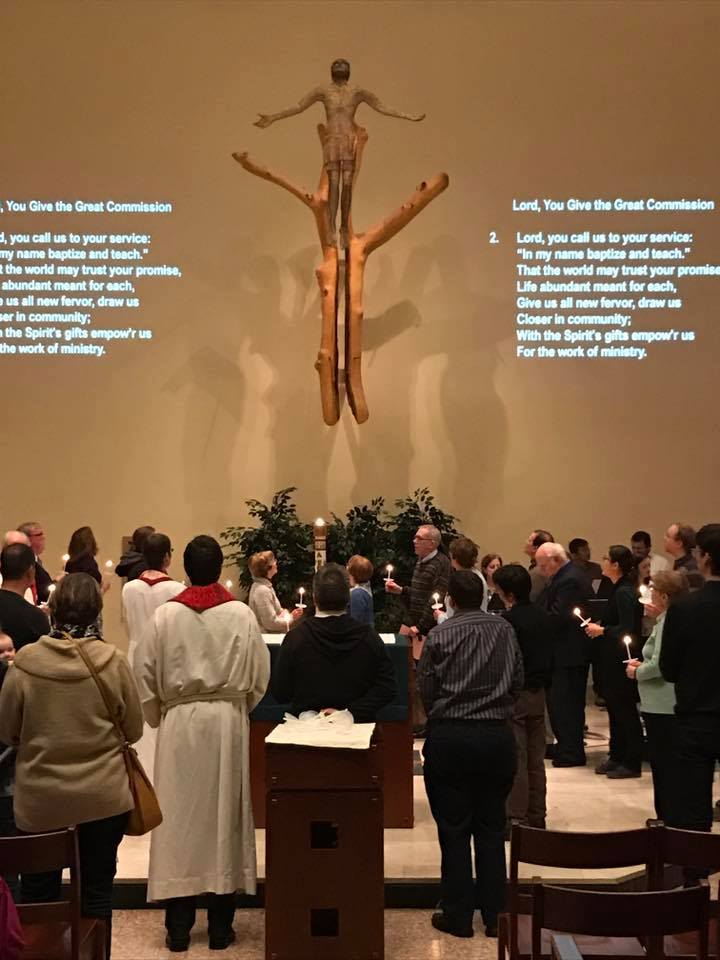
Tuesday Jan 24: Beautiful depiction of the resurrected Christ as the centerpiece of our worship with joint Catholic / Lutheran service in conjunction with the commemoration of the 500th Anniversary of the Reformation


16299608_10154986142078035_1984102783552207363_o
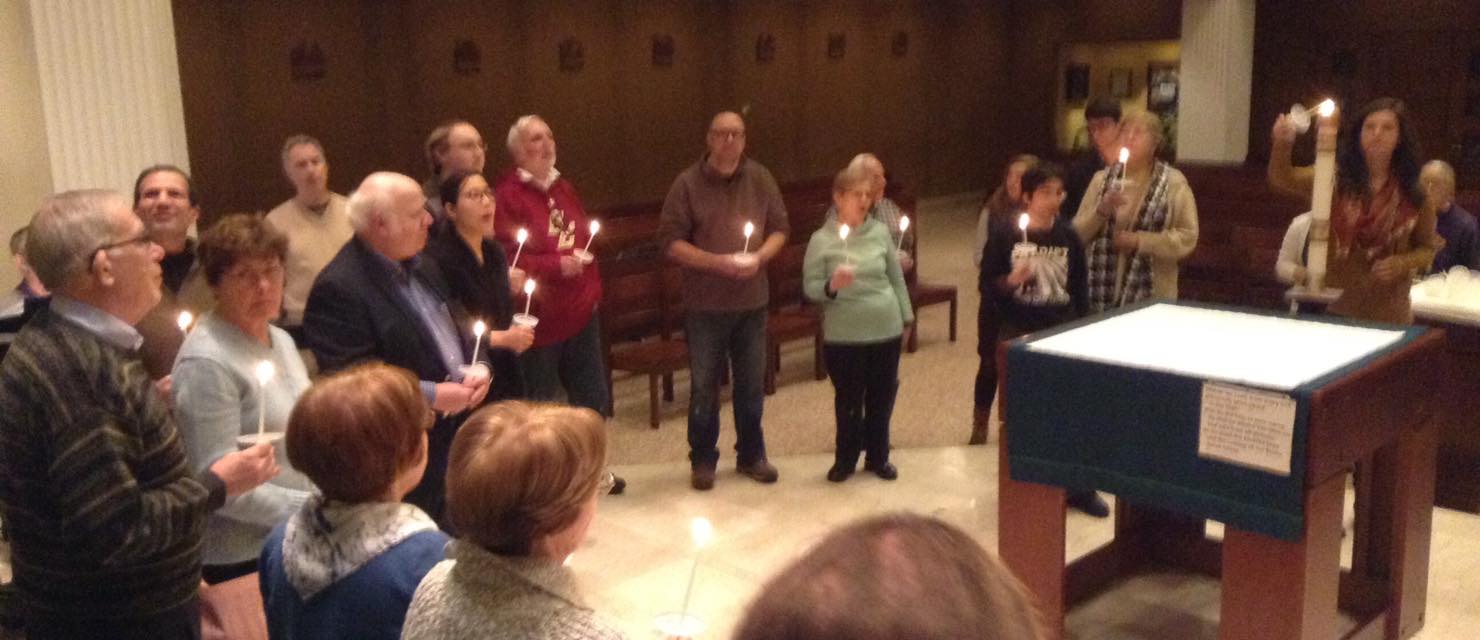
Tues Jan 24: Joint Catholic/Lutheran Gathering in conjunction with the 500th Anniversary of the Reformation. Our worship concluded with lighting candles and standing in a circle as a sign of the flame of Christ that we all carry within us.


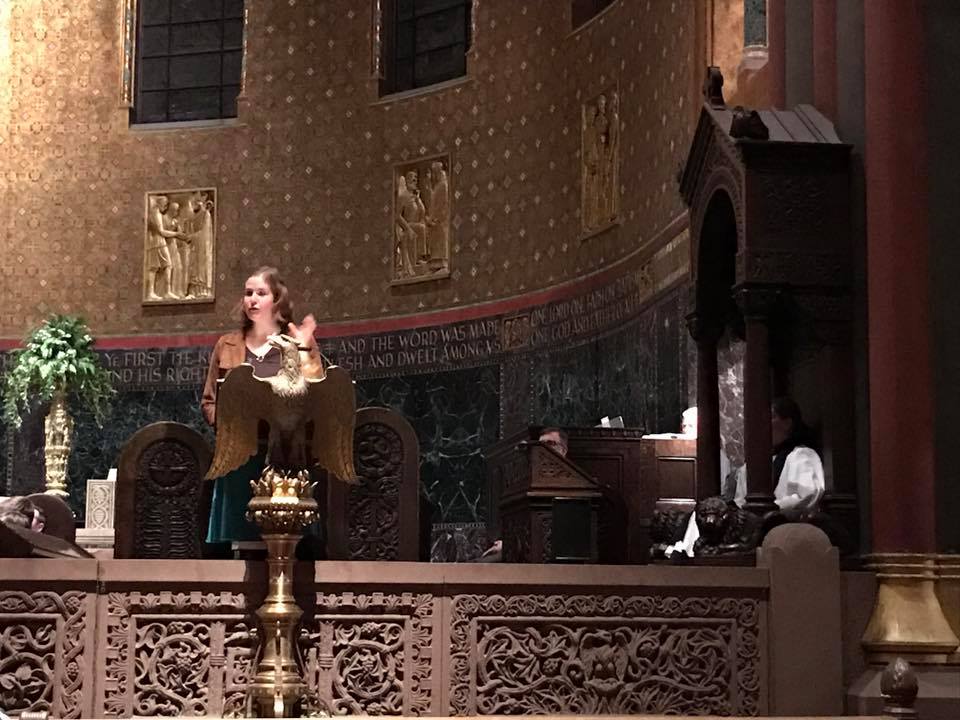
Kelly Steinhaus shares about the week of prayer at beautiful Trinity Church.
Wed Jan 25: In the concluding gathering, Kelly Steinhaus, UniteBoston’s team leader, shares about the week of prayer at beautiful Trinity Church, with worship led by a youth choir.


In the News:

Boston Pilot: “Hundreds join in prayer at Boston’s Christian Unity service”

Testimonies:


“I would like to express my gratitude to all who contributed a piece to the rich mosaic-experience we all enjoyed on January 21st. It is one of the stand-out Week of Prayer for Christian Unity events in my 35 years of ministry devoted to the cause. All who gathered around tables for both food and faith-sharing, who in church joined their hearts and voices in prayer, young and old, black, white and brown, robed in various styles—all, together, represented a microcosm of the human family and gave us a glimpse of God’s dream for us: reconciled to God and to one another. Jesus must have had a joyful smile on his face!”
-Fr. Tom Ryan, Paulist North American Office for Ecumenical and Interfaith Relations 


“What a great privilege and delight to worship the One True God together in the unique forms of each branch of the Christian Church. It was incredible to experience our agreement in who God is and who we are. I’m especially thankful for the Cardinal, his leaders, and the leadership of the Orthodox church, for their humility and at the depth of their willingness to come together.”
-Ellen Bass, Black Ministerial Alliance


“Saturday’s event was honestly the most powerful event I have ever attended. It was incredible to have in one room members of the Catholic Church, the Protestant Church, and the Orthodox Church gathered together to worship and praise our Lord, our Father. During the prayer service I was incredibly moved by the word “OUR”. And when at the end, we all said the Lord’s Prayer in ONE voice I was awestruck by the most powerful recitation of the prayer I’ve ever heard. This is the way it ought to be. We are weak divided, but together we stand strong in Jesus Christ.”

-Daisy Hanna, Coptic Orthodox Church

“What an amazing witness this was of the variety and Christ-centered unity found in the Body of Christ!”
-Edouard Pichette, OneUnited

“This was the most impressive ecumenical event I have ever been to.  The Holy Spirit was clearly at work in this event.”

 – Father David Michael, Pastor of St. Joseph Parish, Roman Catholic Archdiocese of Boston

“Thy Kingdom come, Thy will be done…” On Saturday, all of us present at Holy Name witnessed a portion of God’s will done in the City of Boston. An undertaking such as this requires an immense amount of hard work and effort that can only be achieved with the help of the Holy Spirit. Thank you all who made this happen, and may God’s Grace continue to bless all involved, and our city, til Kingdom come.
-Steven Hardy, UniteBoston Rep and member of St. Paul’s Parish, Harvard Square


“On January 21st, the Body of Christ in Boston got a glimpse of itself for the first time in its entirety.”
– Dr. Vito Nicastro, Associate Director of the Archdiocese of Boston’s Office of Interreligious and Ecumenical Affairs


“When my mother walked into the church she was amazed. It was at the moment of the entrance procession when all the various Christian groups came one after another to be together and worship that she began to cry. She said, ‘This is what Christ wants.’ It was very moving.”
-Natalia Pellicano, Office for Ethnic Apostolates, RCAB


“God wants this Church to be one… and to see that expressed so beautifully here, that’s really fun. It’s different tastes and different flavors, and you start to realize folks love Jesus in ways that you don’t appreciate until you see them and get to connect with them. You see that people are really different, and yet their hearts are coming from a love of the Lord that’s really neat to see.”
– Jeff Bass, Executive Director, Emmanuel Gospel Center


“It was incredible, wonderful to see so many different Christians together and the music… I was crying. The Holy Spirit was there.”
– Lorna DesRoses, Director of Black Catholic Ministries


 “I’ve always felt the importance of Ecumenism. I’m a very strong Greek Orthodox Christian, but I went to Catholic schools and I’ve had very strong friendships, relationships with Catholic Christians, and they’ve just given me so much support in my faith. I just love the coming together of people of different Christian denominations, and I feel so excited about progress in Ecumenism. I feel like we’re getting closer.”
– Maria Makredes


It was a very moving experience.  It was so inspiring also to see the church so completely filled… Holy Name Church was such a beautiful venue for the gathering.  We are so grateful to [those] who worked  so hard with so many different groups to bring this very important celebration together. It was astounding.
— Cardinal Sean O’Malley, OFM Cap, Roman Catholic Archbishop of Boston


“What brings us all here really is Christ, and that’s what the point of Christian unity is. If Christ says we should all be one, we should see that, and frankly the world doesn’t feel like that today. I’ve grown more in my faith, and I feel like as a young person I especially have the obligation and responsibility of witnessing to my vocation as the member of the body of Christ.”
– James Kelley, St. Joseph Parish, Roman Catholic, Needham


“I loved the prayer service- beautiful diversity and beautiful unity – that was the greatest part for me, was worshiping together with my fellow Christians. It was very moving. To hear the Greek Orthodox chant, and the Pentecostal choir, and the Cardinal’s homily. Thank you for doing this!” — Craig Dyke, Director, Family Life Office, RCAB


“We can be too preoccupied with the “doing”- what are we going to do together, the Martha part- and we forget the “being,” who and what we are called to be together, the Mary part. We forget that for God, the goal is not something we have to do. He came to form a people for His own. Jesus prayed that we be one as He and the Father are one– that is the witness, that is part of how the world comes to believe. That witness – especially these days, that witness is important for the world. That’s what we increased on January 21st.”
-Deacon John Koza, Holy Name Parish

But wait! There’s more…

Click here to view the entire photo album on Facebook, and add your own pics too!


Share your story!

How was your faith in Christ impacted by worshipping at churches throughout the city? We’d love to hear from you – Click on this link to fill out a short survey!


Written by uniteboston · Categorized: Blog · Tagged: christian unity, grace chapel, harvard square, uniteboston, unity

Jan 17 2017

Christian Unity in the News

It’s the Week of Prayer for Christian Unity!

Pope Francis Embraces The Rev. Martin Junge, General Secretary Of The Lutheran World Federation, During An Ecumenical Prayer Service At The Lutheran Cathedral In Lund, Sweden, Oct. 31. (CNS Photo/Paul Haring)
Caption: Pope Francis Embraces The Rev. Martin Junge, General Secretary Of The Lutheran World Federation, During An Ecumenical Prayer Service At The Lutheran Cathedral In Lund, Sweden, Oct. 31. (CNS Photo/Paul Haring)

Below are a few articles that have been published in the past week related to Christian unity.

We look forward to seeing you at the prayer gatherings hosted by a diverse cross-section of Christian churches around the city, nightly from January 18 to 25. All are welcome!

week-of-prayer-for-christian-unity-1


Pope Francis and the Evangelicals by Bishop Robert Barron

“Being a Christian is not the result of an ethical choice or a lofty idea, but the encounter with an event, a person, which gives life a new horizon and a decisive direction.”


Events Mark Week of Prayer for Christian Unity  posted on the front of the Boston Pilot, and includes a full schedule of the prayer gatherings

“Only full unity between us is enough. Only full unity is true to the nature of the Triune God as communion. Only full unity obeys the will of Jesus, and therefore loves Him. Only full unity is the goal set by our Church’s teachings. Only full unity honors the bond of our Baptism and eternal relation in Christ. Only full unity is coherent with the message of the Gospel of reconciliation. Only full unity empowers our compassion and unfetters our evangelization.”


Commemorating the Reformation: Churches Looking Towards 2017 – And Beyond by Fr. Tom Ryan, CSP, who directs the Paulist North American Office for Ecumenical and Interfaith Relations in Boston

“This anniversary is an unparalleled opportunity for both church leaders and laity to enter into the process of healing and reconciliation at both juridical and grassroots levels. It is important that we capitalize on this opportunity to render more effective the mission and witness in the world of a Christendom united.”


The Protestant Reformation: Positive Aspects by Fr. Tom Ryan, CSP, who directs the Paulist North American Office for Ecumenical and Interfaith Relations in Boston

“The question before both Catholics and Protestants today is: What does it mean to be church, and how may we live together as church in ways that better manifest our unity?”

“A Protestant-Catholic common commemoration presents us with the opportunity to offer a joint witness of faith.”


Written by uniteboston · Categorized: Blog · Tagged: boston, christian unity, jesus, reconciliation, unity

Dec 26 2016

Guest Blogger: Costly Vs. Cheap Unity

This week, we feature a blog written by Scott Brill, Assistant Regional Director of InterVarsity New England and co-director of the Institute for Christian Unity. Scott uses Dietrich Bonhoeffer’s language as he examines and contrasts ‘costly unity’ with ‘cheap unity.’ His analysis is full of rich wisdom and is a must-read for those who are working towards a more reconciled Christian Church in Greater Boston.

For more great reading on Christian unity, check out Scott’s “Recapitulare” Blog here: https://recapitulareblog.wordpress.com/

As someone whose life calling is to foster unity, I’ve been wrestling with how I should respond to the events of the past few weeks and months. Division and divisiveness seem to be everywhere. The country is divided; the political landscape is divided; Christians are divided; even structures within the Church that share a common mission and doctrinal basis are divided. People all around me – in person and on social media – are asking questions about unity and throwing around thoughts and ideas. I don’t think I’ve ever seen a deeper longing for unity or a greater sense of how far we are away from it. I’ve sensed the need to formulate some kind of response.

unity-as-pretext-spectrummagazine-org

Up until this point, though, I’ve mostly been listening in silence. Which has felt like something of a spiritual discipline. Similar to the Jewish practice of “sitting Shiva”, I’ve wanted to grieve myself, as well as honor others who are grieving this brokenness. And I’ve wanted to create space to wait for a word from the Lord rather than offer quick solutions.

But finally I feel compelled to say something. I want to be able to answer the question: “why should we even work for ‘unity’ at a moment like this?” Does the word have any meaning, any power, any motivating energy? Is unity dead? Like Jairus, the synagogue ruler in the fifth chapter of Mark’s gospel, should we not trouble Jesus any more – just give up and go home? I believe at this moment (as for Jairus at that moment in the Gospel), Jesus has spoken a word of hope and faith to me. And I want to speak that word of hope out loud now. This is my “apology” for pressing on for unity – right here; right now:

I am focusing my comments particularly on the Christian community. While there are compelling reasons to work for unity on a broad national or global scale, the Church is the place I am most familiar with, and it is a place where there is a special mandate for unity (see Jesus’ prayer in chapter 17 of the gospel of John). Ideally, we should be both a sign of hope and a model to the larger world of how to live out unity.

But our community seems particularly stuck, paralyzed by our inability to be unified but not wanting to admit that we can’t figure it out. At this moment of awareness of our deep division and brokenness, Christians appear tempted to minimize them. In posts and articles and conversations, I hear us again and again wanting to (in the words of the prophet Jeremiah) “dress the wound of my people as though it were not serious” and pronounce, “’Peace, peace,’ when there is no peace.” We seem drawn to move forward quickly, avoiding the actual pain of division and pronouncing some form of surface-level healing.

In response, I want to borrow a familiar framework from Dietrich Bonheoffer’s Cost of Discipleship, and to say that we are at this critical moment supremely tempted to opt for “cheap unity.” The urgent antidote, then, for this moment has to be “costly unity.” But what is costly unity over against cheap unity? Here are some characteristics of cheap unity that have come to my heart and mind:

  • Cheap unity avoids conflict. It is uncomfortable with sharp disagreement, and seeks to diminish strong emotions and firm convictions. It elevates attempts to feel better over honest expressions of problems.
  • Cheap unity finds a “least common denominator” and stops there. It looks for something innocuous we can all agree on, and declares “reconciliation” too soon
  • Cheap unity draws the circle of community too tightly. One of the solutions it offers is to shrink the number of people who need to be reconciled. If there are fewer true brothers and sisters, then those folk furthest away from our perspective can be dismissed as heretics, non-believers, or apostates.
  • Cheap unity also refuses to talk about holiness. In contrast to drawing the circle too tightly, this type of cheap unity wants to ignore decisions of conscience and exclude some from the conversation for being too inflexible or overly obsessed with keeping the rules.
  • Cheap unity reduces conflict to concepts and ideas and avoids the messiness of the human heart and human relationships. It proposes that the problem of division lies primarily in a lack of intellectual or organizational rigor.
  • Cheap unity diminishes power dynamics and minimizes the cost to some (usually the minority voices) of “staying at the table.” It presumes a level playing field in the conflict and that both sides must make the same amount and types of sacrifices in order to bring about healing and restoration.
  • Cheap unity wants to move on too quickly, and ignore the painful history of the past. It insists that those who are wary or distrustful of reconciliation based on their past experiences need to “get over it.” It overemphasizes optimism for the future and detaches forgiveness from sorrow for sin.

There are probably more, but identifying aspects of cheap unity is only half the battle. Embracing and living out a more costly unity is the essential act of repentance from cheap unity. Costly unity moves away from what I just described above. It presses into conflict, it avoids declaring victory too soon, it accepts the tension between hospitality and holiness, it seeks the “messy middle”, it acknowledges injustice, it sits with pain. And then it begins to work slowly and honestly through what divides: listening, praying, learning, building trust, seeking the interests of those on the “other side”

I believe it is our real hope for moving toward the unity Jesus longs for us to experience. It is this kind of unity that will give the larger world hope and model the message of the gospel. Pursuit of costly unity will lead us more deeply into the discipleship Jesus has called us – “for whoever seeks to save their life will lose it, but whoever loses their life for my sake and the sake of the gospel will find it.” (Mark 8). And it lives a life worthy of that gospel, “struggling together to remain faithful” to it (see Philippians 1:27 CEB). It embodies the self-emptying servant life of Christ that Paul goes on to describe in the next chapter of that epistle.

This is because ultimately costly unity forces me, forces all of us, out of ourselves. Costly unity presents a challenge to me to “count the cost” of pursuing my brothers and sisters and seeking their good. For one more time to borrow images from Scripture (this time from Luke’s gospel): Costly unity looks for the lost sheep without which the flock is not complete; it seeks the missing coin that is needed for the full value of the others; it pursues the separated siblings and invites them “in” – to life and celebration and relationship.

This commitment to costly unity is unilateral. It is a following in the way of Jesus to seek others in love. But this is the kind of unity I can be hopeful for. It won’t come easily and it will require discipline on the part of many of us. This is the kind of unity I am committed to spending the rest of my life working for. I invite you to join me.

Originally published here: https://recapitulareblog.wordpress.com/2016/12/12/cheap-unity-v-costly-unity/; re-posted with permission.

Written by uniteboston · Categorized: Blog · Tagged: christian unity, community, peace, reconciliation, unity

  • « Previous Page
  • 1
  • …
  • 72
  • 73
  • 74
  • 75
  • 76
  • …
  • 82
  • Next Page »


Give to Further Christian Unity

DONATE!

  • Email
  • Facebook
  • Instagram
  • YouTube

Copyright © 2026 · UniteBoston · Built on WordPress