UniteBoston

Bridging Divides Across Christians for the Flourishing of the City

  • Home
  • Events
    • Submit Event
  • Join In
    • Beloved Community Lab
    • Migrant Care and Solidarity
    • The Church and Civic Engagement
    • The ATTIC
    • Kingdom Conversations
    • Worship & Pray
    • Boston Flourish
  • About
    • UB Board, Staff & Volunteers
    • Cohorts
    • Missional Letter
    • Annual Reports
    • History
    • Christian Unity
  • Forums
  • Blog
  • Give
  • Contact
  • Search

May 10 2019

Helping That Helps: Ministry Approaches That Actually Make A Difference

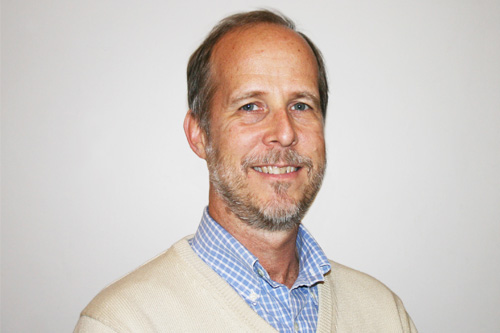
The Emmanuel Gospel Center is a great friend and ministry partner of UniteBoston’s. Many people in Boston and around the country have benefited from their research about churches in Boston and their systems ministry approach. Their Executive Director, Jeff Bass, joined the staff at EGC in 1991 and is a member of River of Life Church in Jamaica Plain. In the article below, Jeff Bass offers insight for Christians for engaging well in the work in our neighborhoods.


Many people have read the book, When Helping Hurts, (or a similar book to this), and I am often asked if EGC has any materials that could help people move from helping that hurts to helping that helps. In response, EGC has developed a 4-part class, based on our Living System Ministry approach, that we have taught recently at both Grace Chapel and Trinitarian Congregational Church in Wayland.  It’s been interesting taking material that we use with our staff and ministry partners and teach in seminary, and trying to effectively contextualize it for four hours of adult Sunday School. But it has been a worthwhile challenge, and it has helped me boil down some of the things EGC has been working on for years, to essential concepts that apply in every setting – missions, ministry, home and work.
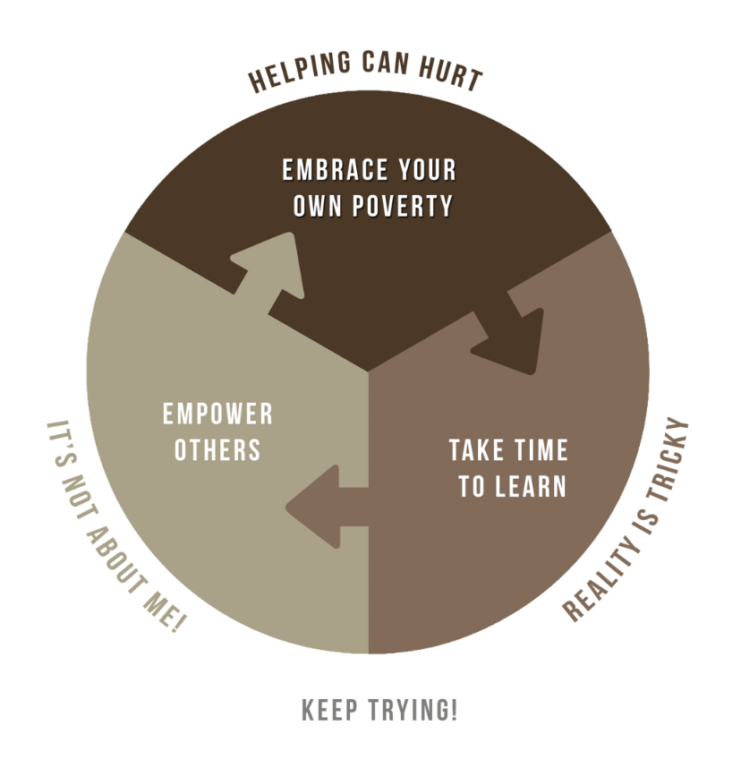

So how can we be helpful helpers? It starts with accepting that even our well-intentioned helping often does hurt, or in EGC terms, that what we do can be counterproductive. Much has been written on this, and it’s very well documented (1). So we need to be careful.

The first step in being careful is “embracing your own poverty.” We each need to come from a place of humility, not superiority. It’s an eminently Biblical concept (2) that causes us to recognize our material wealth is not what defines us, and we are just like the people we seek to serve (and they are just like us), having both significant assets and deep needs that require help.

The second step in being careful is taking the time to learn. Reality is complicated. It takes time to get to know the people, organizations, or communities we hope to help. Nothing fights hurting like real understanding and trusting relationships. Working this way always takes more time, but it is always worth it in the long run.

Don’t be selfish; don’t try to impress others. Be humble, thinking of others as better than yourselves. Don’t look out only for your own interests, but take an interest in others, too. – Phil. 2:3-4

Finally, as we move from humble learning to more active engagement, the best simple principle to follow is, “Empower Others.” Do things with people, not for people. Give help that helps them do or be or solve or lead or move forward. Make them the heroes of the story.

One final note. This is not easy. Effective ministry is not “plug and play.” It takes real work, making mistakes, repentance, wrestling, stubborn grit. Embracing your own poverty, taking time to learn, and choosing to empower others need to happen over and over again. That’s OK. We serve a God of grace who walks with us and clearly calls us to keep trying.

If you or your church would like to learn more about Helping that Helps, please contact Jeff Bass, executive director, at jbass@egc.org. For further information on the Emmanuel Gospel Center visit egc.org.

1 See for example, When Helping Hurts, The Cat and the Toaster, or Toxic Charity

2 See for example Phil 2:3-11, Phil 3:3-11, and Rev. 3:15-19
Written by uniteboston · Categorized: Blog · Tagged: boston, grace chapel, home, neighborhood, uniteboston

Apr 20 2019

Four Characteristics of Neighborhood-Focused Church Planting

“What if we saw the places and people in our lives not as existing for our sake, but places and people to which God has called us for their sake?”

-Matt Owens

This week, we have Pastor Matt Owens as our guest blogger on UniteBoston. Matt has been involved in starting churches for the last nine years. He’s a native of Illinois, and has served in church plants in Ireland and Birmingham, AL, prior to coming to Boston. In the Boston area, he has interned with the Christ the King Presbyterian church plant in Jamaica Plain / Roxbury, served as Assistant Pastor at a church plant in Somerville, MA, and is now planting a new congregation in Quincy. In his blog, Pastor Matt shares some valuable insights about how all Christians can be intentional about seeing their neighborhood as their parish.

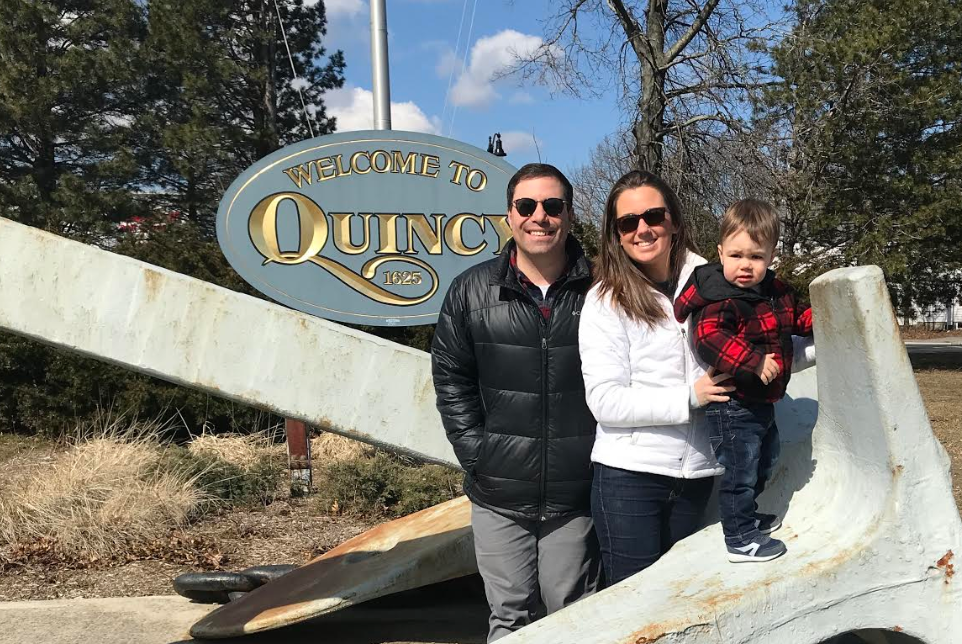
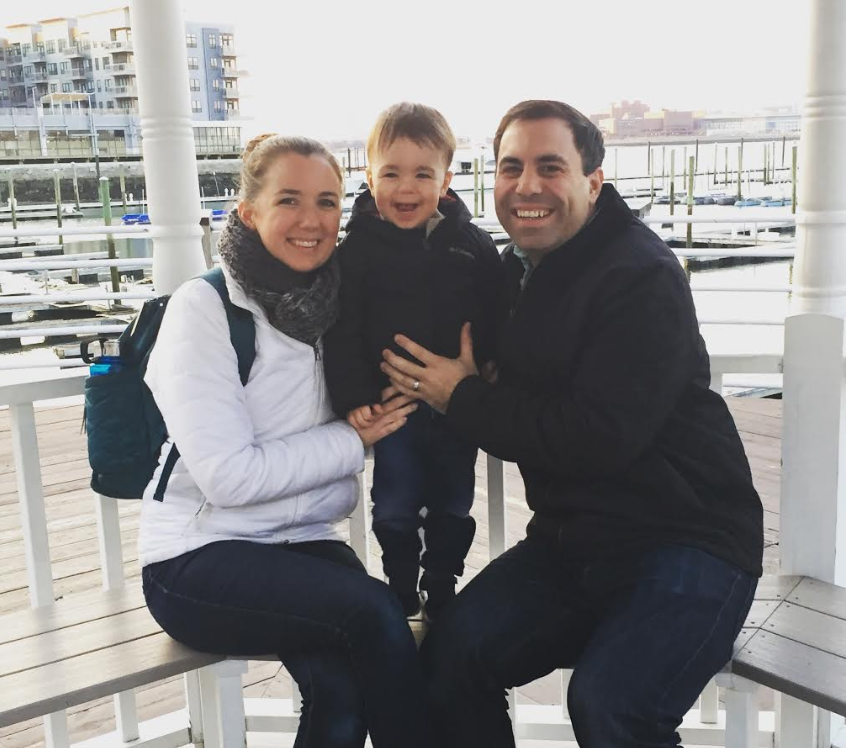
The Owens family (Matt, Naomi and their son, Liam) at Marina Bay in Quincy.

Spirited Contextualization

“Now while Paul was waiting for them at Athens, his spirit was provoked within him as he saw that the city was full of idols. So he reasoned in the synagogue with the Jews and the devout persons, and in the marketplace every day with those who happened to be there.” (Acts 17:16-17)

As Paul observes the idols in Athens, his spirit is provoked by the Holy Spirit for two reasons. First, because he loved the Lord, he long to see Jesus (not idols) worshipped and glorified. Second, out of a deep love for the people of the city, he wants them to worship only God who can give life.

Yet, this provocation doesn’t cause him to yell at the people of Athens (though he might take this approach elsewhere). Rather, he reasons…He knows the people of Athens are a reasoning people. So he reasons with them, and is then taken to the Areopagus to explain Jesus and the Resurrection (Acts 17:19).

He then preaches a beautifully compelling and contextualized sermon, beginning by noting the various idols of Athens and introducing the people to the unknown God, who has now made himself known in Jesus Christ. He uses a different starting point, different themes and different arguments than he would with a predominately Jewish audience, but proclaims the same gospel.

This passage is a good example of spirited contextualization. Tim Keller defines contextualization as, “giving the Bible’s answers…to questions about life that people in their particular time and place are asking, in language and forms they can comprehend, and through appeals and arguments with force they can feel, even if they reject them.”

The task of every Christian is to be a spirited contextualizer, contextualizing not as an intellectual exercise, but out of love for God and our city, provoked by the Spirit of God.

Theology of Place and Developing a Parish Mindset

A theology of place begins with the question, “What if we saw the places and people in our lives not as existing for our sake, but places and people to which God has called us for their sake?”

Our model in this mindset, of course, is Jesus, who “came not to be served, but to serve, and to give his life” (Mark 10:44). We must also be certain that our sovereign God knows the name of the street you live on, and the park nearby, in all of the beauty and brokenness that it may represent to you. He knows the names of all your neighbors, whether you do or not. When we begin to see the people and places God has called us to as God sees them, then we realize that we don’t live on our particular street coincidentally or arbitrarily, but for such a time as this.

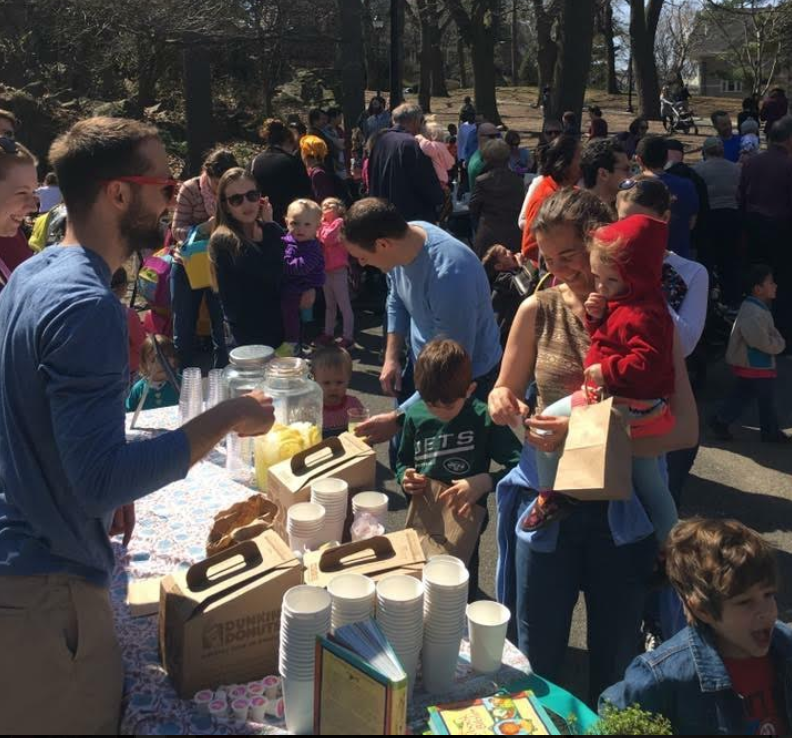
Serving coffee at the CTK Somerville Easter egg hunt at Powerhouse Park in Somerville
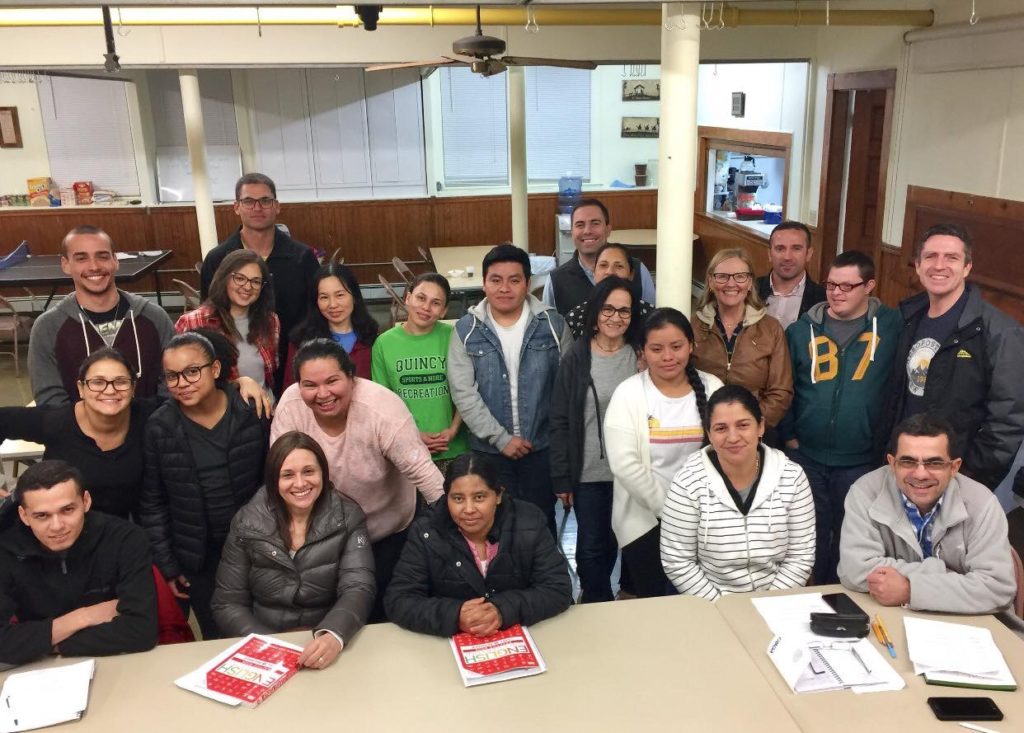
The English learning group at CTK Quincy (Brazilian Church) in West Quincy

This is how I would define a parish: the people and places to which God has called you. I imagine a parish in concentric circles with one’s family (if applicable) at the center of the parish. (Pastoral ministry is perhaps the only job in which one’s responsibilities include caring well for their family. After all, your spouse and children are presumably members of your church.) The next circle out is one’s congregation, then one’s neighborhood, city, and finally the surrounding geographical region. Every Christian must love his/her parish, take pride in it, and hate (that is, be provoked by) the idols that harm it.

An example of a parish mindset is David Ortiz’s famous (short) speech at Fenway Park after the Boston Marathon Bombing. As a relative outsider to Boston, he revealed a deep sense of belonging and ownership when he passionately proclaimed, “This is our f@#*’in city!”

More recently, New Zealand Prime Minister Jacinda Ardern, in the wake of the mosque attack in Christchurch, “Many of those who will have been directly affected by this shooting may be migrants to New Zealand; they may even be refugees here. They have chosen to make New Zealand their home, and it is their home. They are us.”

Four characteristics of neighborhood-focused church planting:

1. Presumes a post-Christendom culture

Churches who operate with a “Christendom” mindset are assuming that unchurched people are going to come walking through their front doors. A post-Christendom approach assumes that people will not come unless they’re engaged in some way (through relationships, service, etc.). Neighborhood-focused plants are incarnational. I recall one young man who had become a Christian at one of the CTK church plants reflect, “Can you believe God cared for me so much that he planted a church in my neighborhood?”

2. Equips Christians to be missional, not consumeristic

Neighborhood church planting steers existing Christians away from choosing a church based on whose product they like best, and directs them to live on mission in their parish.

3. Encourages multi-culturalism

If a church planter’s neighborhood is multi-cultural, that diversity should be reflected in the church. When an outsider looks in, he/she should see a group of people that don’t belong together on the surface, and may have nothing in common but a shared identity in Christ. When this is the case, the makeup of the congregation is a compelling apologetic of the gospel.

4. Requires Kingdom unity

If someone cares about their neighborhood, he/she should be happy to see other churches joining Jesus on his mission. We need many different kinds of churches to reach many different kinds of people. We are working together with a Brazilian congregation in Quincy, as we believe that we can reach a greater scope of the city together than either of us can on our own. We are collaborating with them in teaching in ESL at the Brazilian church each Wednesday evening. The Lord’s Kingdom will come through a movement of the Holy Spirit in and through a unified body of Christ.


Matt and his wife Naomi have an almost-2 year old son, Liam. The Owens family moved to Quincy in June to plant a new congregation. You can track their progress or sign up to receive updates here: http://thequincyproject.com

Last, here is another great resource: check out David Leong’s article: “What is the Theological Meaning of the City?”

Written by uniteboston · Categorized: Blog · Tagged: boston marathon, Fenway, neighborhood, uniteboston, unity

Mar 31 2019

Hospitality in a Polarized World

“If you think about the issue you are most passionate about, have you ever had the chance to sit down with someone to hear the opposite perspective? The challenge we have is to put real people – stories and experiences, on the other side of the issues we care about. Having a posture of hospitality means approaching these conversations with a humble curiosity to find the deeper values beneath someone else’s position.”

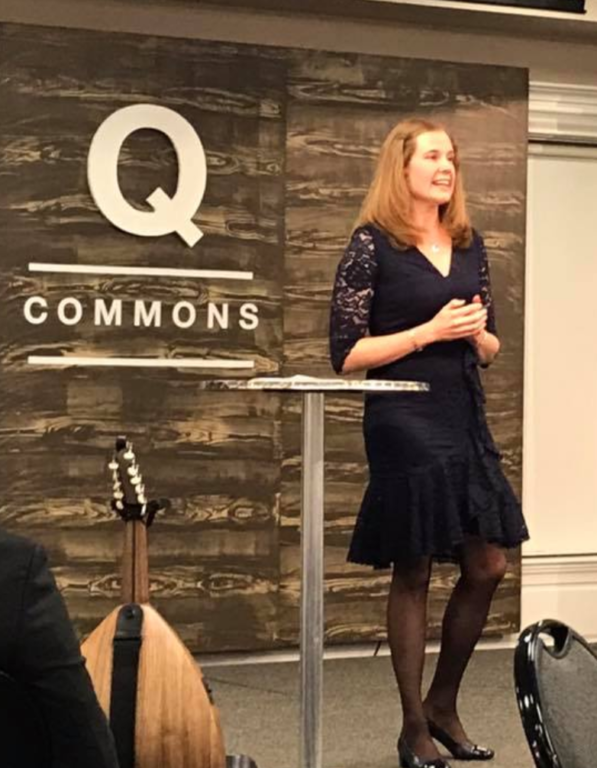
Kelly Fassett, Q Commons

Through hosting neighborhood dinners and inter-church prayer and worship events, hospitality is a large component of UniteBoston’s ministry. Kelly Fassett, UniteBoston’s Executive Director, was one of the key speakers at Q Commons Boston’s “The Power of We” gathering last fall. Using Jesus as a model, who didn’t treat others as an enemy, but built a bridge and reconciled himself to people who were vehemently against him, watch the 9-minute video below to hear Kelly’s advice for building bridges and promoting hospitality in our divided, polarized world.

Photo Credit: Anchor Community Church

We also want to highlight the great work of A Faith That Does Justice, who hosted a community forum on “Kindness and Civility: A Call to Common Purpose” last week.

Panelists at the “Kindness and Civility: A Call to Common Purpose” gathering on March 28, 2019. Photo Credit: A Faith That Does Justice.

The panelists in the room offered these strategies for civility:

  • Practice self-reflection
  • Look people in the eye
  • Find common ground in shared projects that allow you to develop relationships beyond your disagreements
  • Recognize our shared humanity
  • Research your opinions and consider the perspectives of people who are different from you
  • Embrace collaboration
  • Accept that a person is more than just their objectionable idea
  • Surround yourself with people who hold you to a common standard

Finally, the Christian Community Development Association published a valuable Lenten blog this week on Hospitality.

May God teach us how to build relationships among diverse siblings in Christ, so that our love for each other will be a witness to the reconciling power of the gospel!

Written by uniteboston · Categorized: Blog · Tagged: community, lent, neighborhood, uniteboston, unity

Mar 17 2019

A Christian Politician Offers Advice for Community Engagement

Learn about how churches should connect with their community through the eyes of newly elected State-Rep Nika Elugardo. Nika is a devout follower of Jesus Christ, and Nika and her team knocked on hundreds of doors to understand the needs and opportunities of the community as she ran for office to the 15th Suffolk/Norfolk District, which includes the neighborhoods of Brookline, Jamaica Plain, Mission Hill, and Roslindale. Last fall, she won her election in 2018 to become MA State Representative in this district!
Kelly Fassett, UniteBoston’s Executive Director, interviewed Nika as part of a revisioning process for River of Life Church in Jamaica Plain. Listen to the 10-minute interview to hear Nika’s advice for how churches should engage in their community, including getting involved with existing community initiatives by showing up consistently and building relationships. These relationships can be great bridges to help share the gospel in everyday life.

Key points that Nika shares in the interview:

  • In her conversations with Boston residents, Nika found that people are looking for integrity, transparency, and leaders who will boldly fight for justice.
  • In her work in the Massachusetts State House, she is focused on changing the policies within three pillars: housing, healthcare, and education. She is seeking to change laws that have systematically shut out certain groups of people from accessing the resources they need, including youth, elders, LGBTQ + populations, people with disabilities, and people impacted by mass incarceration. She describes her need to consider how God’s love and justice play into these policy decisions, and that love and justice cannot be disconnected from one another.
  • Her advice for how Christians should get involved in their neighborhood: “Throughout Boston, people from age 4 to 94 are doing a ton of things, so all you have to do is show up and build relationships. People are so welcoming when people are consistent. Just open the newspaper or go online, find out what is already happening and join in to a group of people that are doing something that you care about. Consistency is key. Churches shouldn’t over-programmatize community engagement; rather, just go and be part of what is already going on in your neighborhood because people would be delighted to have consistent friends.”

Written by uniteboston · Categorized: Blog · Tagged: community, jesus, neighborhood, uniteboston, unity

Dec 28 2018

UniteBoston’s Top Ten Photos of 2018

From a huge summer worship night to our neighborhood coordinator team tripling in size, UniteBoston has built and grown in big ways this year! Thanks for joining into our community and for all the ways you contribute to building bridges across Christians towards greater gospel movement in Boston!

Here are our top ten photos from this year

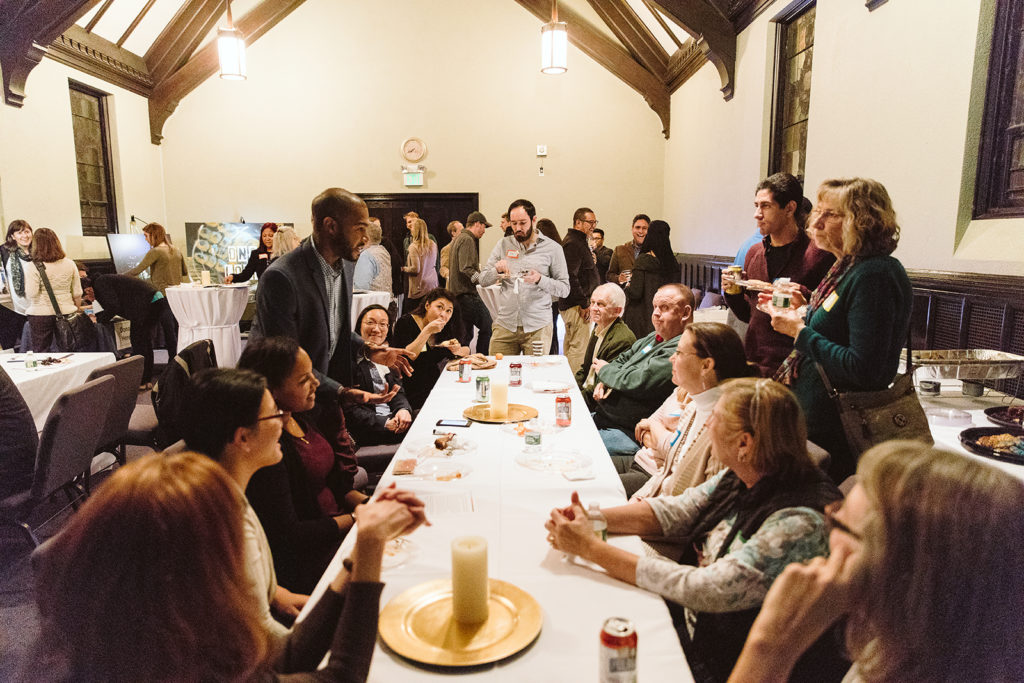
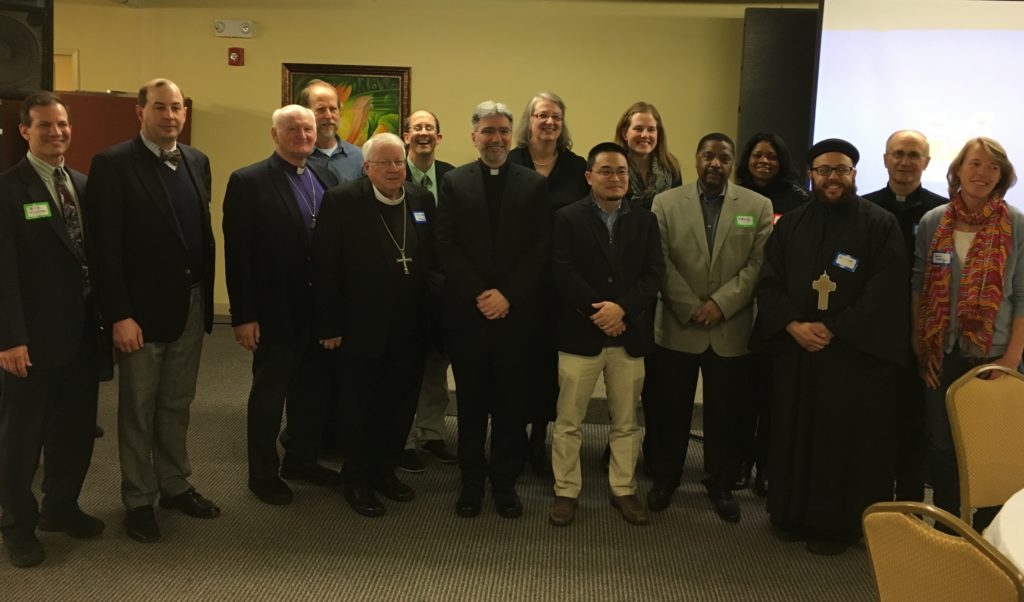
January 2018 – Leaders from various church traditions at the 2018 Week of Prayer for Christian Unity Fellowship Dinner


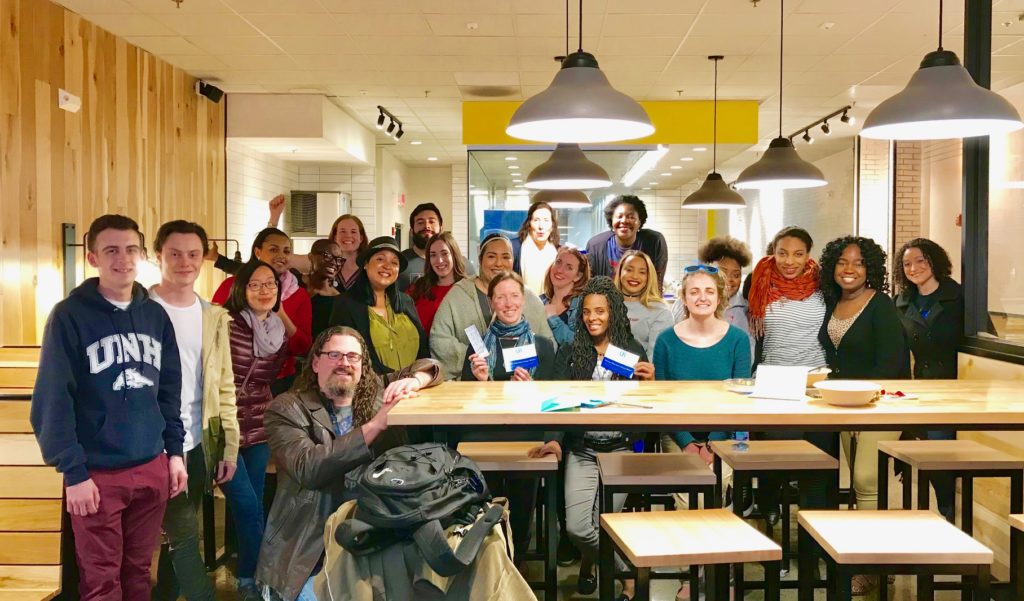
February 2018 – UniteBoston Meetup before the Hillsong concert


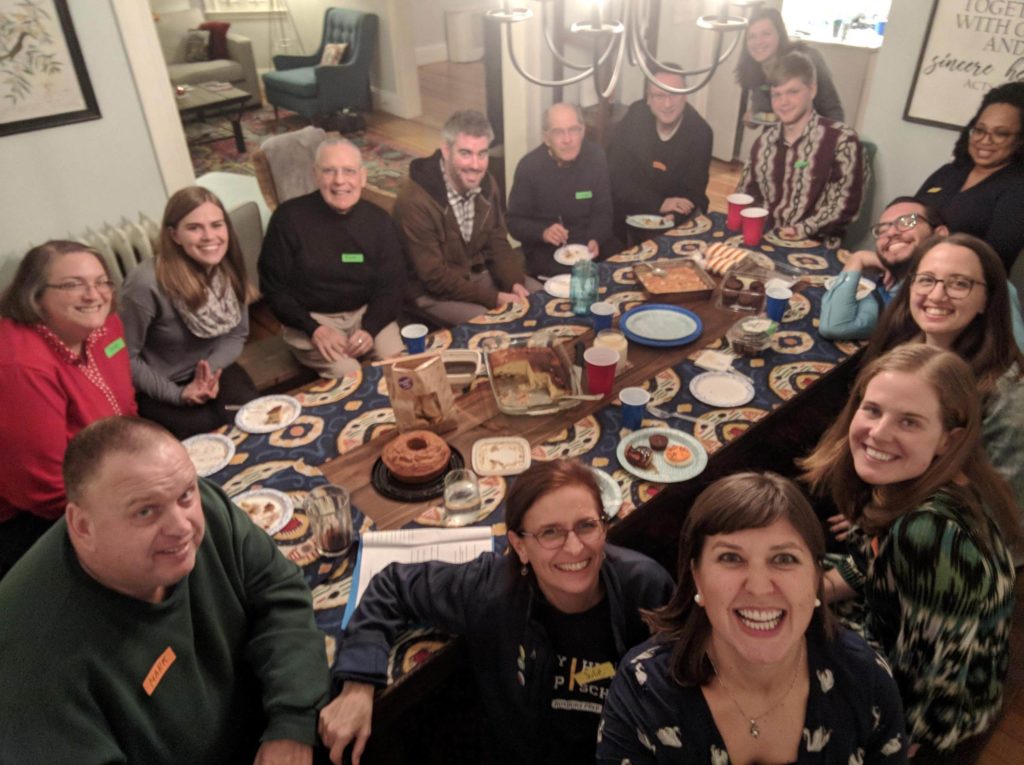
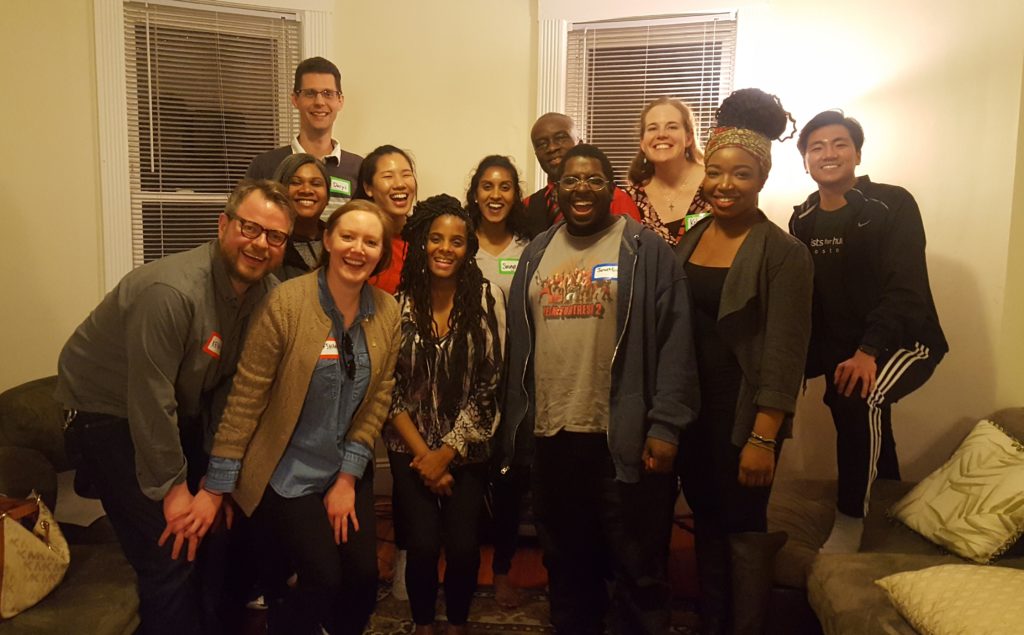
April 2018 – UniteBoston Neighborhood Dinner in Dorchester


August 2018 – Neighborhood Dinner at Adam’s house in East Boston


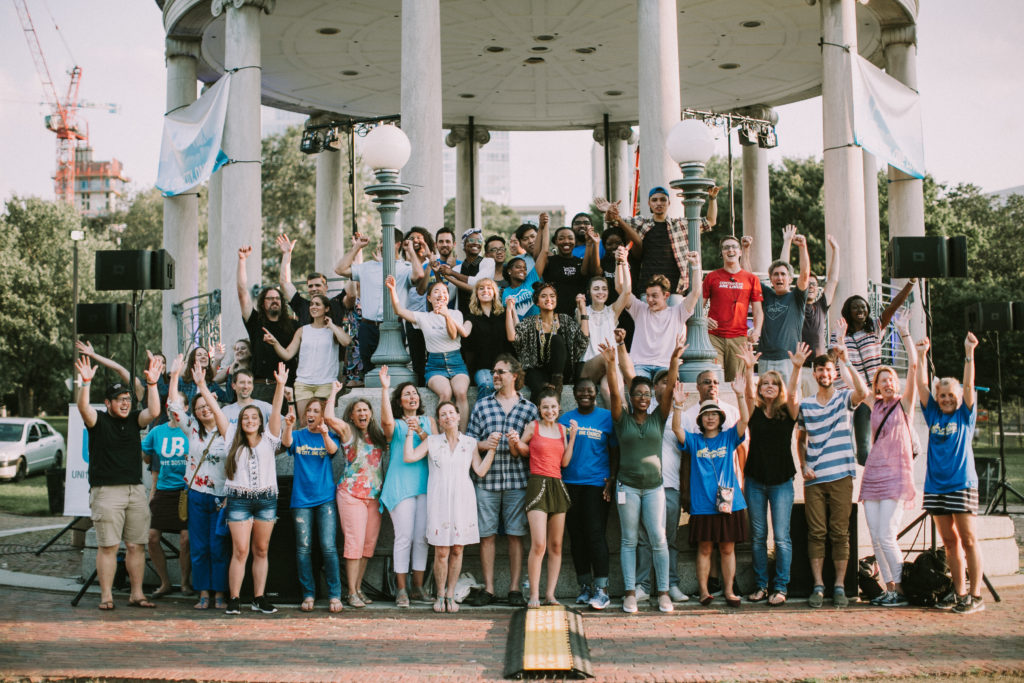
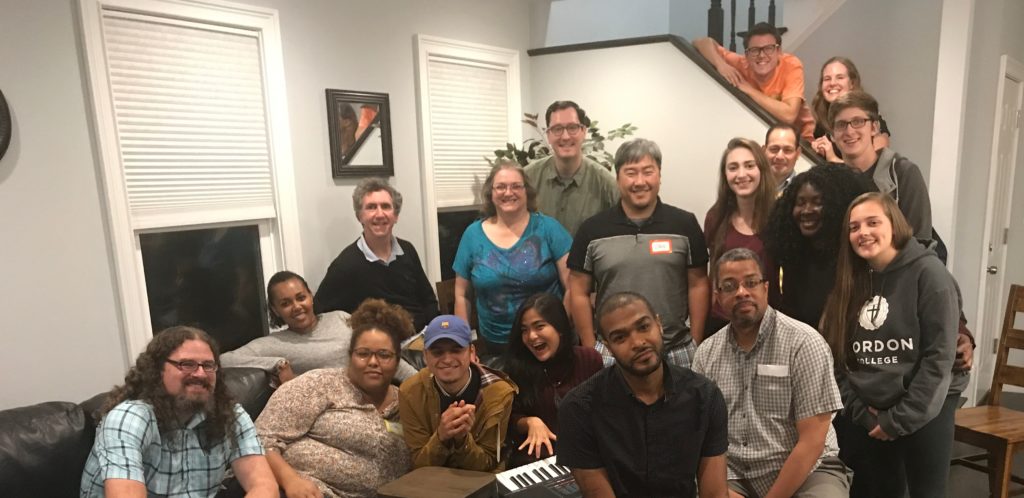
August 2018 – UniteBoston volunteers gather for a photo before the summer worship night. Photo Credit: Koo Chung


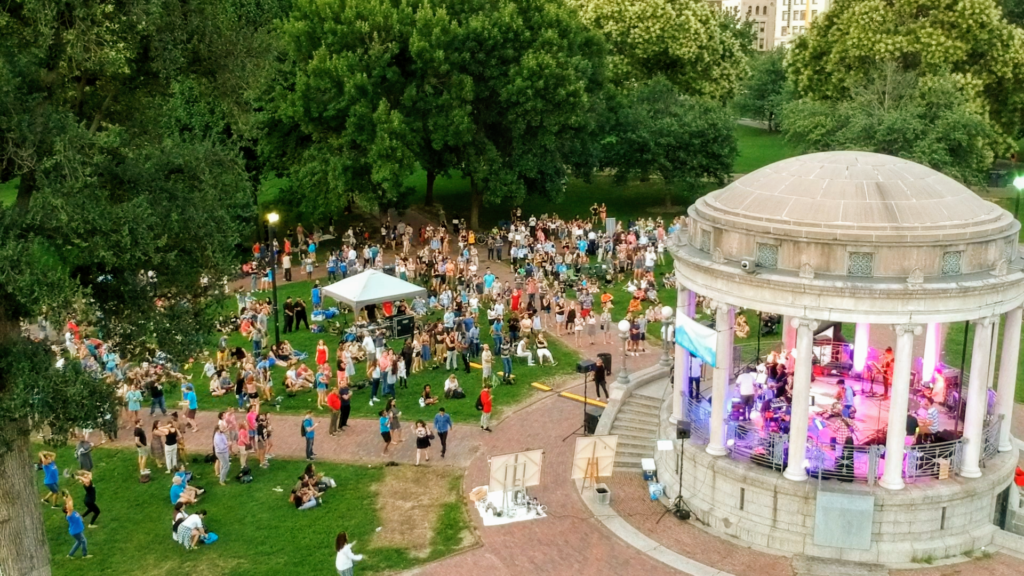
August 2018 – Worshipping Jesus right in the heart of the city of Boston during the 2018 worship night. Photo Credit: Elijah Mickelson


August 2018 – UB Worship Team at the summer worship night. Photo Credit: Koo Chung


October 2018 – UniteBoston volunteer thank you celebration party


October 2018 – Kelly Fassett, UniteBoston’s Team Leader, speaking at Q Commons on “Hospitality in a Polarized World”


November 2018 – UB Worship Team Member Caleb McCoy shares about the joy of collaboration at the 4th Annual UniteBoston Fundraising Party


November 2018 – First UB Neighborhood Dinner in West Roxbury, hosted by Sally Jackson from the Church of the Cross

Written by uniteboston · Categorized: Blog · Tagged: christian unity, community, neighborhood, uniteboston, unity

  • « Previous Page
  • 1
  • …
  • 9
  • 10
  • 11
  • 12
  • 13
  • …
  • 15
  • Next Page »


Give to Further Christian Unity

DONATE!

  • Email
  • Facebook
  • Instagram
  • YouTube

Copyright © 2026 · UniteBoston · Built on WordPress