UniteBoston

Bridging Divides Across Christians for the Flourishing of the City

  • Home
  • Events
    • Submit Event
  • Join In
    • Beloved Community Lab
    • Migrant Care and Solidarity
    • The Church and Civic Engagement
    • The ATTIC
    • Kingdom Conversations
    • Worship & Pray
    • Boston Flourish
  • About
    • UB Board, Staff & Volunteers
    • Cohorts
    • Missional Letter
    • Annual Reports
    • History
    • Christian Unity
  • Forums
  • Blog
  • Give to UniteBoston
  • Contact
  • Search

Dec 10 2024

Following Jesus as the Prince of Peace: Removing Walls of Hostility

 For [Jesus] himself is our peace, who has made the two groups one and has destroyed the barrier, the dividing wall of hostility, by setting aside in his flesh the law with its commands and regulations. His purpose was to create in himself one new humanity out of the two, thus making peace, and in one body to reconcile both of them to God through the cross, by which he put to death their hostility. He came and preached peace to you who were far away and peace to those who were near. For through him we both have access to the Father by one Spirit.

Ephesians 2:14-18 NIV

In this Advent season, we are called to follow Jesus as the Prince of Peace by actively removing walls of hostility in our lives. These barriers—whether political, cultural, or personal—perpetuate division and conflict, preventing us from upholding the ‘ministry of reconciliation’ (2 Cor 5:18). Through Jesus’ work on the cross, walls of hostility can be broken down, creating a new humanity of reconciliation, peace, and love, so together we can bear witness to the Way of Jesus.

On December 8, UniteBoston’s Executive Director Rev. Kelly was honored to be invited by UB Board Member Pastor Kat Hampson to preach at Riverwalk Church! Click below to watch the sermon or read some of the notes!


The Problem of Hostility

The polarization in our society today mirrors the animosity between Jews and Gentiles in Ephesians 2:11-22, with divisions physically, relationally, and attitudinally. Research shows that Americans increasingly view those with opposing views as threats, with 80% of people believing that the other party “poses a threat that if not stopped will destroy America as we know it” (NBC News). Unfortunately, we see this hostility present even among Christians called to the ministry of reconciliation (2 Cor 5:18). This divisive posture contradicts our calling as peacemakers (Mt 5:9) and repairers of the breach (Is 58:12).

Jesus: Transforming Hostility into Enemy-Embracing Love

As Prince of Peace (Is 9:6), Jesus inaugurated a new way; he redefined who and how we associate with others. Ephesians 2 reveals that Jesus broke down the dividing walls of hostility, reconciling people both to God (vertical peace) and to one another (horizontal peace). His purpose was to create one new humanity, transforming enmity into fellowship. This is exemplified in His life: dining with outcasts, forgiving enemies, and welcoming diversity among His disciples.

The type of peace we have in Christ breaks down societal barriers rather than building them, a peace where love banishes all fear, and a peace that breaks down walls of hate and hostility by upholding belovedness as all made in God’s image. This posture is summed up in Jesus’ statement that we are not just to love those who are most like us but to love our enemies (Mt 5:43).

Early Christians embodied this boundary-crossing nature of the faith, and people took note. Historians believe that it was in Antioch that they were called Christians because they saw early Christ followers crossing ethnic walls to worship with one another. Historian Harvey Conn writes that, “Into a world where class, power and ancestry divided rich from poor, free from slave, men from women, came a society that welcomed all who bore the name Jesus.”

Our Call as Followers of the Prince of Peace

Following Jesus as Prince of Peace is counter-cultural and vitally important. To embody Jesus’ boundary-breaking love, Rev. Kelly offers four steps:

  1. Find Your Wall of Hostility
    Reflect on the groups or individuals you feel animosity toward. Here are some questions we can ask to help us identify who this may be:
    • Which groups do you avoid or feel threatened by? Who makes you uncomfortable?
    • Is there a particular group that you cringe at the thought of praising them; that you don’t even want to be exposed to the ideas or ways, much less earnestly listen to them? Who do you believe that the world would be better off if there were less of “those people” around?
    • Howard Thurman said – “Often the degree to which we oppose a thing marks the degree to which we do not understand it. Sometimes we use our opposition to an idea to cover up our own ignorance.” Have you met the person on the ‘other side,’ and heard their story?
  2. Remember the Belovedness of the ‘Other’
    Every person is made in God’s image and is beloved by Him (Gen 1:27). Commit to seeing this inherent worth in everyone you meet, especially those on the ‘other side’ of a particular background or ideology.
  3. Go with Curiosity
    “You can’t hate someone whose story you know.” Our assumptions and conclusions are often built on what have heard, rather than face-to-face conversations. With the rise of siloed media and social media platforms, we have become so accustomed today to talking about one another rather than with them. One of the biggest tools we have as peacemakers is curiosity: when someone shares a strong or ‘loaded’ statement, we can ask, “Is there a story behind that?” Engage others’ stories with humility, seeking to understand their longings, hopes and fears.
  4. Reflect and Discern
    Opening yourself up to new experiences and ideas is often uncomfortable. Yet, it is also a sign of maturing in our faith (Eph 4:15). Prayerfully reflect on what you have heard using frameworks like the Wesleyan Quadrilateral (Scripture, Reason, Tradition, Experience) to evaluate your theological conclusions. Growth requires embracing discomfort and balancing openness with a firm foundation in Jesus Christ.

One caveat: When we talk about getting beyond a wall of hostility, a situation of abuse or trauma does not apply. There are some ‘walls’ that are necessary for self-protection, health, and safety. We must differentiate between a wall of hostility and a wall of protection as there are times when you need to be with “your people” to say the things you need to say, for healing and restoration.

Why This Matters

Our unity is both the fruit and the witness of the gospel. As we remove hostility, we demonstrate the reconciling power of Christ and live into His mission. The early church modeled this radical love by breaking barriers in a divided world, and we are called to do the same today.

Invitation

Will you follow Jesus, the Prince of Peace, by removing your walls of hostility? As John Howard Yoder said, “This new Christian community in which the walls are broken down not by human idealism or democratic legalism but by the work of Christ, is not only a vehicle of the gospel or only a fruit of the gospel; it is the good news. It is not merely the agent of mission or the constituency of a mission agency. This is the mission.“

Reflection Questions:

  • 1. What walls of hostility exist in your heart? Consider which groups do you avoid or feel threatened by? Who makes you uncomfortable?
    • With this group in mind, what assumptions do you hold? What conclusions are you making? What do you fear? Be on the lookout for these biases
  • 2. How can you actively uphold the belovedness of all of God’s children, even those who believe differently than you?
  • 3. Who can you listen to with curiosity this week or month? Holiday gatherings are opportune spaces where we can listen, learn, and have tough conversations with people of differing perspectives and convictions.
    • Make a plan. Consider what type of structure will allow you to have the conversation you need to have. What do you fear? What do you wonder? Here are two conversation guides from Essential Partners that we recommend.
      • Partisan Conversation Guide
      • Political Conversation for Trust & Understanding
  • 4. How might God be calling you to grow in your understanding on a particular divisive issue? Consider how your perspective is informed by Scripture, Reason, Tradition, and Experience.

We’d love to hear from you if you take some of these steps to follow Jesus as the Prince of Peace! Rev. Kelly can be reached at kelly@uniteboston.com Be blessed friends!
Written by uniteboston · Categorized: Advent, Blog, Devotionals, FROM THE UB LEADERSHIP, RESOURCES, SPIRITUAL FORMATION & EVANGELISM, Who is My Neighbor? · Tagged: community, peace, reconciliation, uniteboston, unity

Sep 18 2024

Fully Alive – Life in the Spirit Seminar

Are you ready to experience a transformational journey that could change your life? Join us to the Fully Alive retreat, a dynamic spiritual retreat hosted by the Shalom Catholic Community in Cambridge.

What is Fully Alive?

Fully Alive is a Life in the Spirit Seminar designed to guide you into a deeper connection with the love of God—a love that forgives, heals, fills, and transforms. This event offers a unique opportunity to explore the gifts of the Holy Spirit and experience a life enriched by divine love.

Event Highlights:

  • Praise and Worship: Engage in uplifting moments of spiritual renewal.
  • Prayer and Reflection: Receive personal prayer from dedicated missionaries.
  • Community and Connection: Share experiences and build friendships during interactive sessions and social hangouts.
  • Inspirational Talks: Discover powerful insights on these topics listed below:
  1. How to satisfy your heart’s desires:  The world, and even our own past, has given us enough reasons to believe that we’re unworthy of love: to be loved and to love. Discover how God is crazy in love with you and how you can live this truth after this weekend. 
  2. The ultimate choice: We all have our own story. It has shaped the way we think, perceive, act and love. Unknowingly, we’re held captive by sorrows and wounds of the past that bring fear to accepting healing and change. This will be an opportunity for you to make the choice to allow Jesus to come in and restore light into your life, giving meaning and purpose for your life.
  3. Unshakable joy: God knows how difficult it is for us to understand His immense love and care for us when we’re constantly at war with ourselves and the voices of the world. Learn about His promise to you and the finding of true joy and happiness after every fight.
  4. Just the beginning: A weekend together is just the beginning of a new journey, a new time! Explore ways you can continuously grow in faith, in your relationship with Jesus, and how to live it in community after this retreat!

Event Details: 

  • Dates: November 22 – 24, 2024 (Friday – Saturday)
  • Location: 400 Cardinal Medeiros Avenue, Cambridge, MA
  • Hosted by: Shalom Catholic Community – Boston Mission
  • Cost: $10 (does not include meals) Meals will be available for purchase. Coffee and snacks will be provided at no charge.

Retreat Schedule: (it’s okay if you’re arriving late!)


Friday, November 22: 7 pm – 10 pm

Saturday, November 23: 9:30 am – 9:30 pm
Sunday, November 24: 10:30 am – 5:30 pm

Interested but not quite sure yet? Feel free to register now to receive more information and updates about the event as you make your decision. We will reach out a day before the event to confirm attendance.

For more details or questions, reach out to us at communicationboston@comshalom.org, (857) 381-8831 or follow us on Instagram @shalom.boston.

We look forward to welcoming you to an unforgettable experience of spiritual growth and community.

REGISTER HERE

Written by Andrew Walker · Tagged: awakening, body of christ, boston, cambridge, christiansinboston, community, compassion, faith, gospel, healing, peace, reconciliation, renewal, spirituality, united in christ, worship and prayer

Jul 18 2024

UB’s Third Annual BIPOC Spectacle Island Retreat

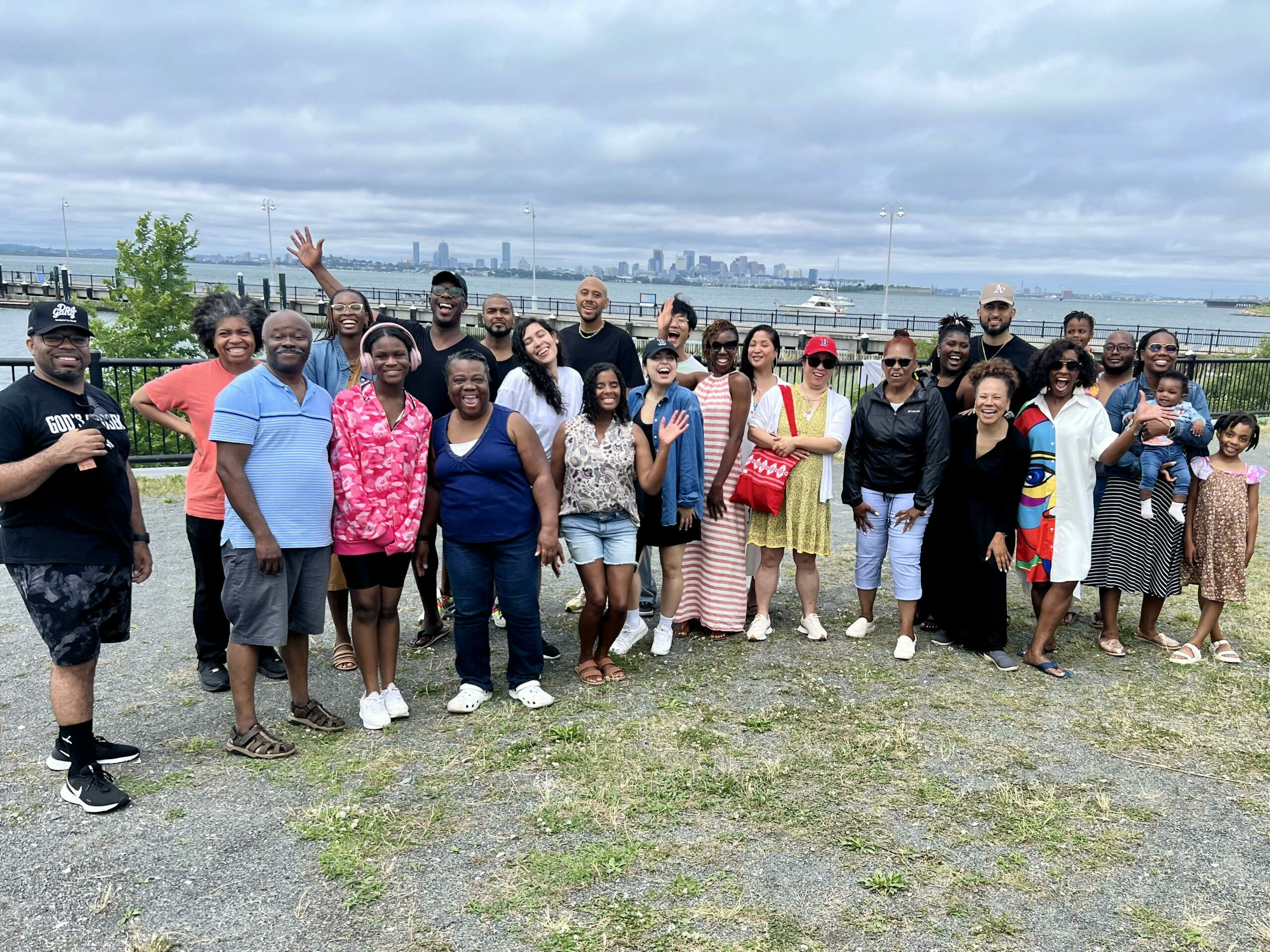
During the July 4 weekend, 28 of us gathered for our third UB Island BIPOC Retreat Day, an unforgettable experience filled with joy, reflection, and community. Thank you to everyone who joined us on Spectacle Island in the Boston Harbor. It was a blessing to spend the day with friends new and old as each of us left feeling rejuvenated and inspired in the presence of God and one another.

“But those who hope in the LORD will renew their strength. They will soar on wings like eagles; they will run and not grow weary, they will walk and not be faint.” – Isaiah 40:31

From the moment we set sail on the boat, the energy was palpable. Rev. Devlin kicked off the day with a heartfelt devotional focused on laying our burdens down. This time of reflection set a peaceful tone, reminding us of the importance of rest and renewal amidst our busy lives.

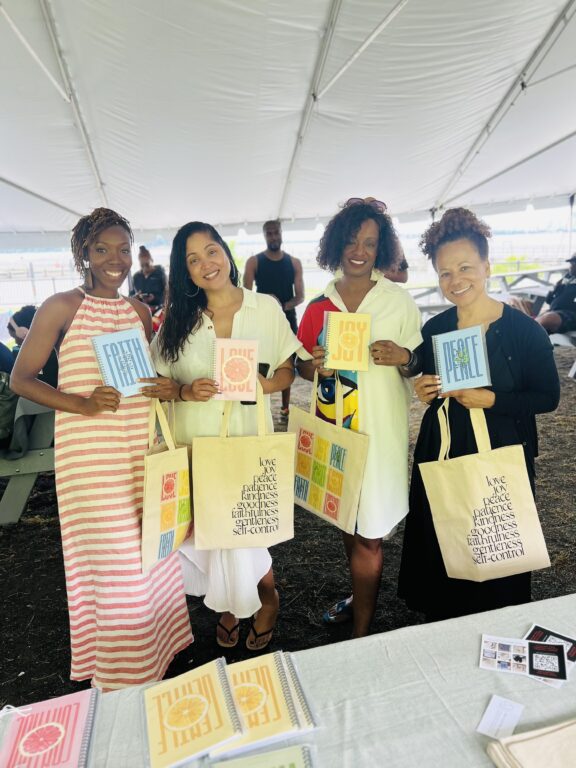
Gifts for the Retreat Attendees
Joyce, Carolina, Remi and Yovanny
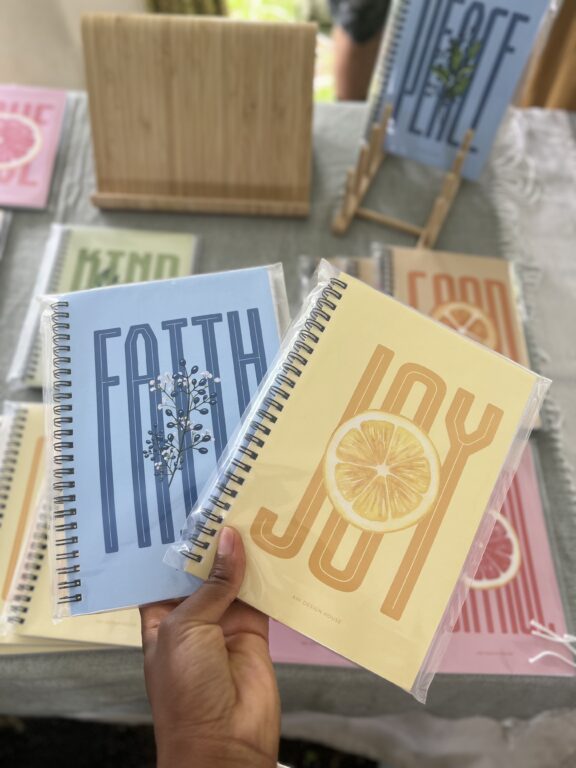
Journals by Ani Design House

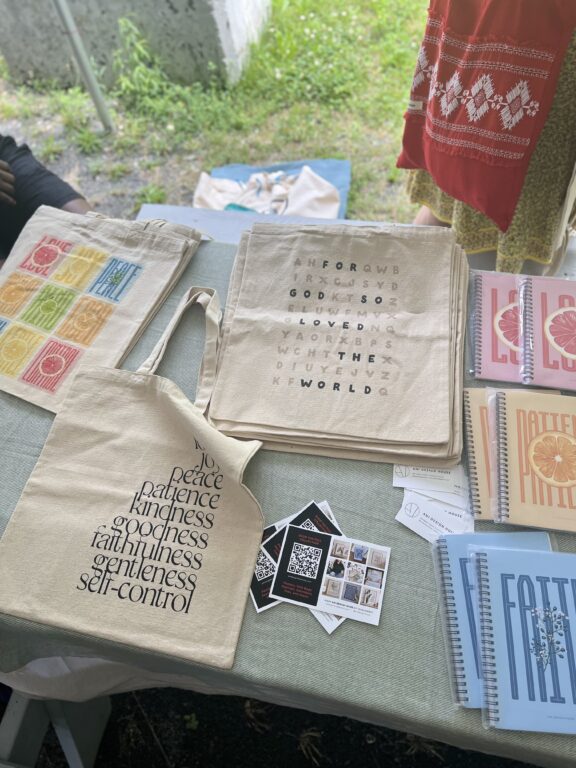
One of the highlights was our collaboration with Ani Inoyo, local Christian entreprenuer and founder of Ani Design House. Ani Inoyo provided the beautiful gifts that added a touch of elegance to our gathering. Be sure to check out Ani Design House and explore her incredible range of products. Share your purchases and tag them on social media: @AniDesignHouse

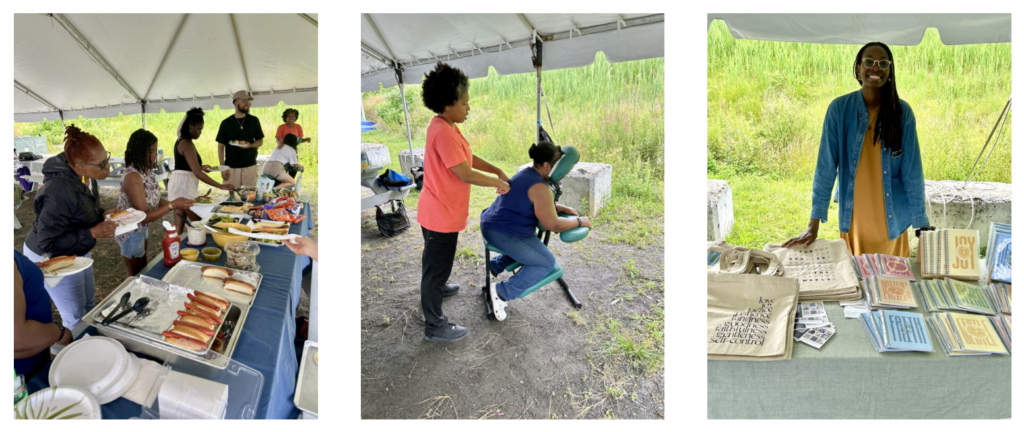
Our day was also filled with fun and relaxation. Stiggity Stackz once again brought their freestyle dance battles, infusing the retreat with vibrant energy and creative expression. We enjoyed beach games, massages, and a delicious catered lunch that allowed us to connect and savor the company of friends old and new.

The retreat was not just about relaxation but also about coming together as a circle of restoration. The work of reconciliation can be exhausting, and this intentional space was created for BIPOC leaders involved with UniteBoston to focus on self-care and foster deeper connections. Participants shared how enriched and refreshed they felt after this day-long retreat.

What did the attendees think of the retreat?

This retreat was wonderful and it’s exactly what I needed. My time of rest incorporated spending time at the beach and then watching and listened to the dancers. It was wonderful to connect with other creatives since my community of artist has gotten much smaller. – Joyce Fombah

“I am moved by the love that goes into planning a day of respite for dozens of relative strangers, and I am grateful to have attended this year’s retreat. The generosity of those who gave up their Saturday to serve and care for relative strangers blessed my soul. I enjoyed meeting so many amazing folks and seeing whole families come out for a day of recreation. The gift from Ani Design House was a pleasant surprise. Thank you, Ani! And thank you, UniteBoston and your wonderful team of volunteers!” –  Pastor Valerie Copeland, Pastor of Neighborhood Church – Dorchester.

Written by uniteboston · Categorized: Blog, EVENTS & YEAR HIGHLIGHTS, Racial Justice · Tagged: community, peace, reconciliation, uniteboston, unity

Apr 17 2024

The Journey towards ONE: UniteBoston’s Ministry Priorities

“For [Jesus] himself is our peace, who has made the two groups one and has destroyed the barrier, the dividing wall of hostility, by setting aside in his flesh the law with its commands and regulations. His purpose was to create in himself one new humanity out of the two, thus making peace, and in one body to reconcile both of them to God through the cross, by which he put to death their hostility.” (Eph 2:14-16).

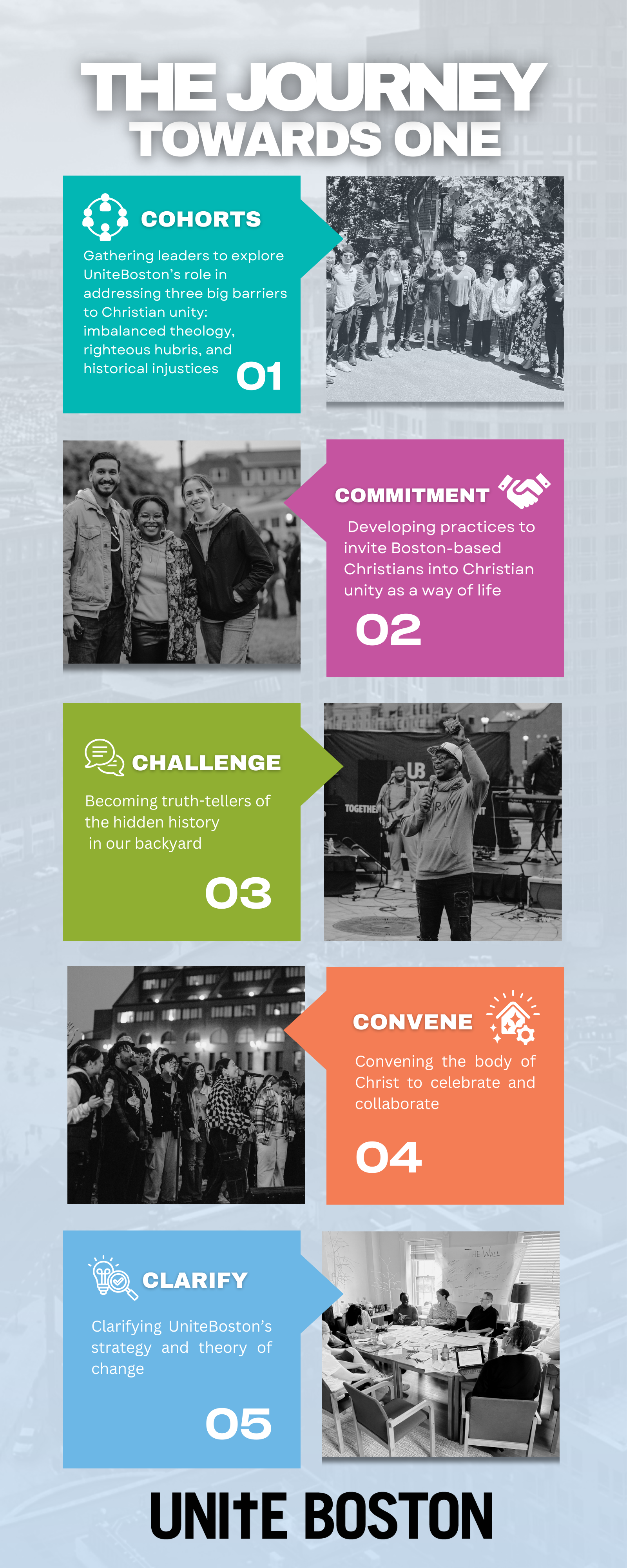
This is one of the many Scriptural texts that make it clear that Christians are to be “united” and “one.” Yet, what does this unity and oneness look like, and how do we get there? Read below to hear about UniteBoston’s five ministry priorities this year on our “journey towards one:” Cohorts, Commitment, Challenge, Convene, and Clarify, and how you can take part in this journey with us.


By: Rev. Kelly Fassett, Rev. Devlin Scott, and Rayza Carrasco

This past fall, UniteBoston’s staff and board sat down seeking to CLARIFY our ministry vision, strategy, and theory of change. Over the course of thirteen years, UniteBoston had gone from a small e-newsletter sent to a couple of dozen people to a full-fledged non-profit ministry with multiple staff. We had pursued the unity and oneness of Christians through hosting large united worship nights, coordinating a weekly events newsletter and website hub, convening missional collaboration conferences, launching neighborhood dinners, hosting learning groups, and more. 

We knew that at the center of the Christian faith is the confession that Jesus’ incarnation, death, and resurrection has reconciled us to God and to one another, thus forming an inseverable and eternal peace (Eph. 2:14). This central message of reconciliation is a prominent theme throughout the New Testament, and the early Christians were convinced of the centrality of unity among followers of Christ. (2 Cor 5:16-21, 1 Cor 1:10, Rom 12:4-5, Jn 11:52, Eph 4:3).

Yet, this “unity” and “oneness” is easier to live in theological constructs than in practice. Christian unity isn’t just a surface-level kumbaya togetherness, “hues in the pews,” as that often erases voices that are traditionally on the margins. True Biblical unity must not only encompass diversity but also erase hierarchy, inequity, injustice, and false structures of power. Biblical unity is a “deep unity,” one that leans into the places of division to discover the roots and possibilities of reconciliation and repair.  In the course of our ministry, we had seen that the barriers hindering Christian unity, equity, justice, and flourishing for all needed to be tackled head on. To this end, our staff and board brainstormed together and came up with three big barriers to Christian unity: imbalanced theology, righteous hubris, and historical injustices.

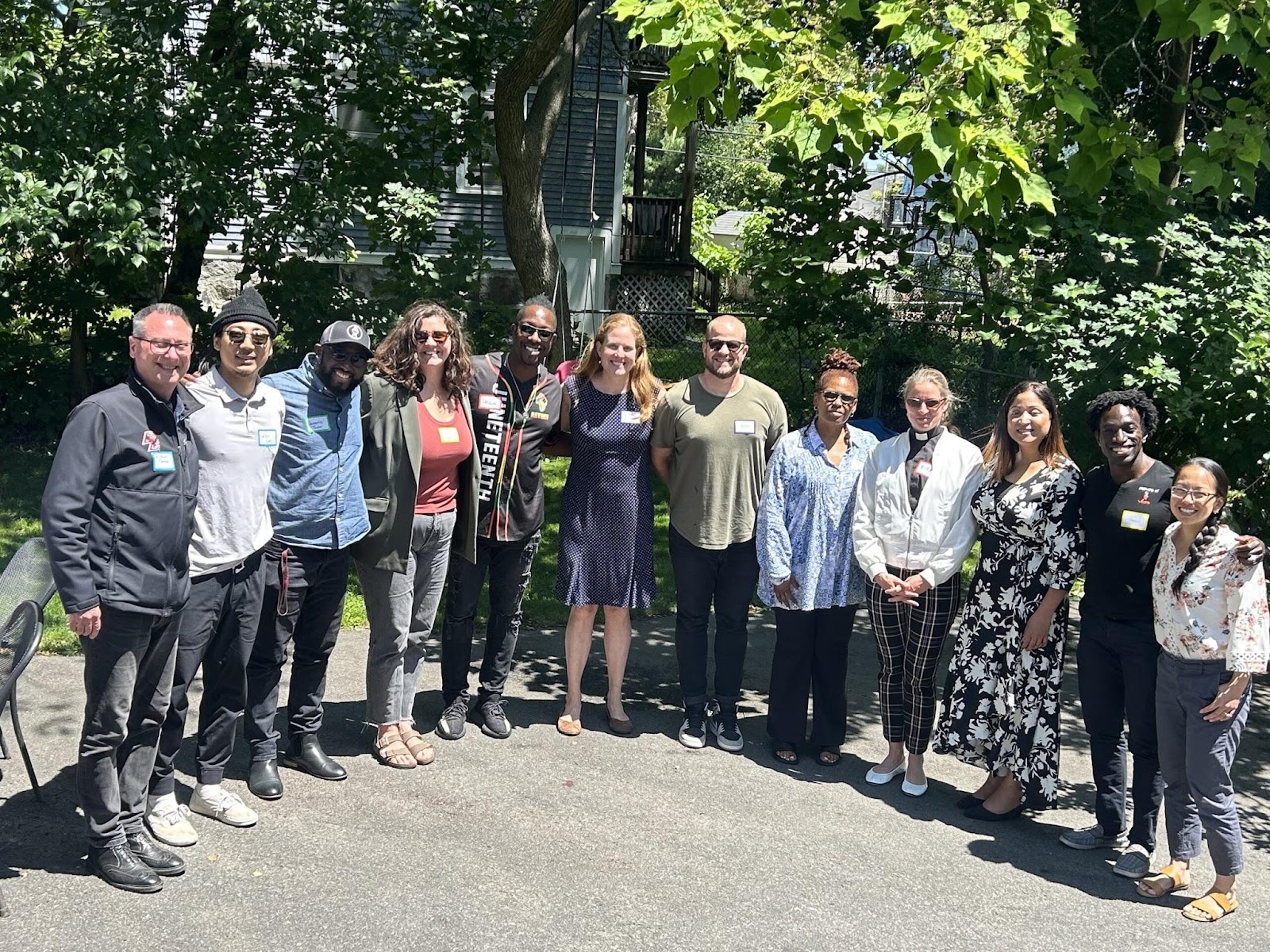
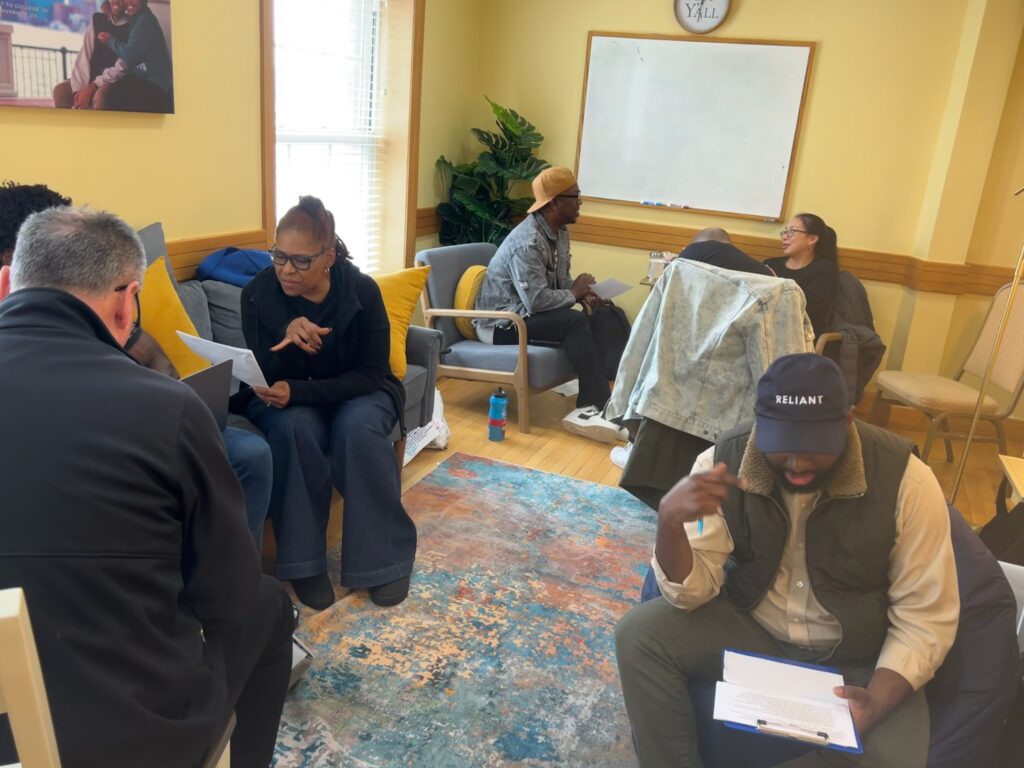
Christian unity is not just a belief or an event but is actually a question of discipleship: the way we understand and practice our love of God and neighbor on a daily basis. As our team sought to unpack these three barriers to Christian unity and CLARIFY the learning experiences and cohort models that could be designed to disciple people as ambassadors of reconciliation and repair (2 Cor 5:18-20), we immediately realized that we could not do this work on our own; this big-picture work will be much sharper and stronger when it is done with a collective community of leaders offering their insights and perspectives. This past year, we launched a Christian unity COHORT with twelve diverse leaders who met monthly to share their own personal stories of unity and disunity in the church and explored how people are living out God’s call towards unity, justice and reconciliation. 

Here are a few key ideas about Christian unity that Kelly and Devlin are taking away from the cohort journey:

Genuine, vulnerable story-sharing allows us to truly see one another, deepening our understanding of our unity in reconciled diversity. This transformative process reshapes our sense of connection and mutual worth, inspiring us to live out our shared brotherhood and sisterhood in Christ. When we really see one another, it changes how we feel connected to one another and how we feel they deserve what I deserve.

The journey towards Christian unity involves remembering and rediscovering who we are in Christ, cultivating authentic diverse friendships, carefully tending to wounds and places of rupture, and showing up for one another in sacrificial solidarity. This group has protected, celebrated, defended, and made room for one another, which has been challenging and immensely healing.

Here are a few reflections from members of the cohort: 

“The individuals in our cohort are all so different; culturally, liturgically, and theologically. But as I’ve listened to the stories of God’s movement in the lives of each of these new friends, I’ve been awed by just how much we have in common: a love for Jesus, a devotion to his church, wounds in need of healing, a deep longing for the Kingdom, along with a lot of courage and faith. This journey and these people have reinforced my commitment to move from curiosity, my belief that we have so much to learn from each other, and my hope that the chasms that divide us can be bridged.”

-Josh Wilson, Pastor at Reality Boston

“If the seed of Christian unity is our faith in Jesus, and the sunlight/water are our opportunities for joint ministry and mission, then the soil is most certainly our relationship and engagement with each other. The soil is aerated by our whole-hearted leaning into difference and disagreement with love.” 

– Edwin Johnson, Director of Organizing at Episcopal City Mission 

“In the Christian unity cohort, I found that our differences didn’t divide us; rather they made us connect more intentionally as we built friendships with one another. We don’t have to agree on all the things, but we can accept, love, and serve one another just like Jesus loved and served us.”

-Carolina de Jesus, Chief Executive Officer at the Boston Higher Education Resource Center

“As a Roman Catholic, I am reminded that the Catholic Church made a fundamental shift in its vision of Christian Unity from Vatican I to Vatican II, moving from an ecumenism of “return” to an ecumenism of “recognition” – the recognition of an esteem for the many gifts of God’s Spirit that reflect a genuine communion of faith and life with other Christian churches. As a result of the journey that we have shared in our Christian Unity cohort, I am convinced that the personal and relational always come before the structural and institutional. Journeying out of our isolations; meeting, sharing meals, sharing our stories, getting to know and trust one another; establishing friendships— these cohort experiences of relationship form the climate in which both individual Christians and separated communities become open to, recognize and receive gifts of the Holy Spirit from one another. It is this kind of climate that I have witnessed with our Unity Cohort from which a passion for unity is cultivated and sustained. Symbolic gestures are important among church leaders, but relationships of trust and mutual affection have to grow among members of different churches as well if receptive ecumenism is to flourish.”

-Michael James, Resident Minister and Faculty Member at Boston College

We’re now launching two new year-long working group COHORTS to help us shape the next season of UniteBoston. First, a “Sankofa journey” working group to reconstruct a common memory on the racial history of Boston and CHALLENGE people to be truth-tellers about the hidden history in our backyard. Second, a working group to explore the theology, practice, and heart posture of “Christian unity.” The working groups will help us unpack the three barriers to Christian unity we have identified and discern what content, experiences, and practical COMMITMENTS people can make towards becoming ambassadors of reconciliation and repair. We believe that UniteBoston’s role is to create opportunities for “beloved community” to emerge, one that leans into our diversities, nurtures belonging for all of God’s children, models redemptive power dynamics, and works together to nurture shalom across historic divides. As we nurture kinship relations among diverse siblings in Christ, we believe our self-giving love for each other will be a collective witness to the reconciling power of the gospel. 

Much of our team’s time and attention will be behind the scenes so we can do this work well. But don’t worry, we will continue our newsletter and website, and we are still planning to CONVENE Christians in Boston for a fall concert featuring a united gospel choir, as well as Boston Flourish on November 7. 

We’re grateful to have so many leaders and friends with us on the journey – You make this work possible, and you make it a lot of fun too! 

Join us on the Journey Towards One: 

  • Pray for wisdom and discernment for our team and collaborating partners as we seek to understand how Christians in Boston might embody the oneness that Jesus prays for and refine UniteBoston’s missional priorities and theory of change.
  • Stay engaged by reading the UniteBoston newsletter and following us on our social media Facebook Instagram
  • We’d love to hear from you if you have any ideas, resources, or stories you’d like to share with us that might help us on this journey!

– Rev. Kelly, Rev. Devlin, and Rayza

Lord, make us instruments of your peace. 
Where there is hatred, let us sow love; 
where there is injury, pardon; 
where there is discord, union; 
where there is doubt, faith; 
where there is despair, hope; 
where there is darkness, light; 
where there is sadness, joy. 
Grant that we may not so much seek to be consoled as to console; 
to be understood as to understand; 
to be loved as to love. 
For it is in giving that we receive; it is in pardoning that we are pardoned; and it is in dying that we are born to eternal life. Amen.
– A Prayer attributed to St. Francis

Written by uniteboston · Categorized: Blog, FROM THE UB LEADERSHIP, Ministry Vision · Tagged: christian unity, reconciliation, shalom, uniteboston, unity

Feb 19 2024

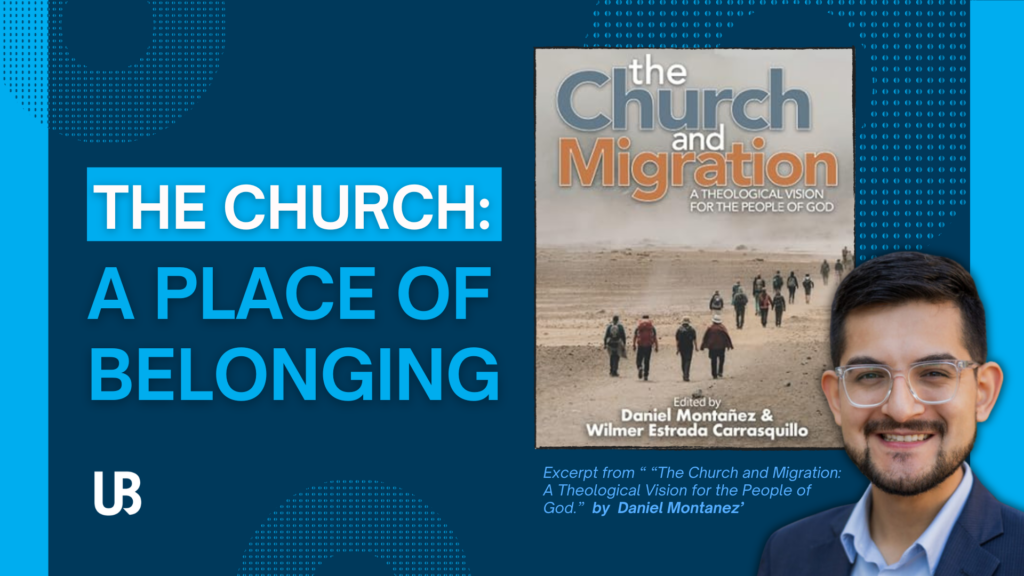
The Church: A Place of Belonging

In an age of global migration and mass displacement, what is the responsibility of the Church to respond to the needs and realities of migrant and displaced communities? All too often, the narrative surrounding immigration is depicted within mainstream media as highly political and divisive. In evangelical and charismatic circles, many Christians are more likely to be influenced by what the media says about immigration than the Bible.

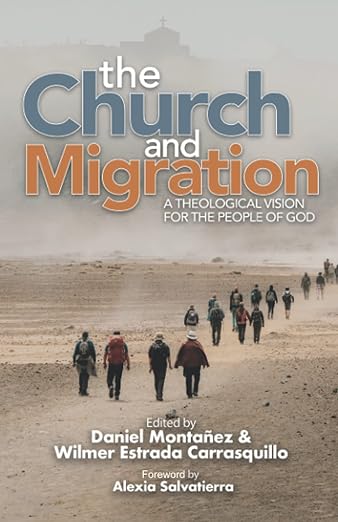
For our week on “Believe,” we are sharing a piece entitled, “The Church: A Place of Belonging” which is a chapter from local author Daniel Montanez’ book entitled, “The Church and Migration: A Theological Vision for the People of God.” The book seeks to transform the narrative of immigration by approaching it from the larger lens of human migration. By exploring the theme of human migration throughout the grand narrative of Scripture, this resource sets forth a theological vision for understanding migration from a Biblical-theological perspective. Read below to hear some practical ways in which Christians can get involved in serving migrant and displaced communities.


The Sojourner, the alien, the foreigner, the exile, the refugee, the immigrant, or whatever name is used to refer to those who may not be like us or from among us, still refer to persons who are created imago Dei and deserve the treatment afforded to everyone created as such. Just as the Temple in Jerusalem, with its imposing structure and radiant splendor, stood as a representation of the God to whom it is was constructed and dedicated, so also is the Body of Christ, the Church, the representation of God in the world today. It is, therefore, the responsibility of the Church to be Christlike in its actions and treatment of people. And the church, as a building or locale is to be equally welcoming to those who may not be part of the Body of Christ—the “other.” 

Immigrants make the move from one country or location to an other because they might be seeking safety from a dangerous situation in  their own land, looking for employment to help provide for their families, looking to start a new life in a foreign land, etc. Despite the variety of those mainly extenuating circumstances in which the immigrant population finds itself, the Bible gives only one way in which to treat them—with love and compassion—because the God is the One who loves them, and the Body  of Christ follows the Head of the Church. Additionally, Israel was constantly reminded that they, too, were sojourners: “Love the sojourner, therefore, for you were sojourners in the land of Egypt”(Deut 24:14). When they went to the temple to make their sacrifices they were to “declare before the  LORD your God: ‘My father was a wandering Aramean, and he went down  into Egypt with a few people and lived there and became a great nation, powerful and numerous'(Deut 26:5). In Leviticus, Israel is commanded, “When a stranger sojourns with you in your land, you shall not do him wrong. You shall treat the stranger who sojourns with you as the native among you, and  you shall love him as yourself, for you were strangers in the land of Egypt: I am the LORD your God (Lev. 19:33-34).” 

Creating Places of Belonging  

How does the church become a place of inclusion for immigrants? What are their needs? How are they to be treated, and how can the church effectively minister to them? The parable of the good Samaritan (Luke 10:23-37) is a powerful example of inclusion and ministry and answers the question about how to  practice inclusion. That is done by showing compassion to the other when  the other is a stranger and even an enemy. The actions of the good Samaritan are non-judgmental and carried out only in compassion for the person in need. There is no questioning of the legality of travel, or intentions at  point of destination, or even of the moral character of the wounded person,  i.e., whether or not he is a “bad” person and not worthy of assistance. Help is rendered based on the need of the person and goes way past the bandaging of his wounds to his healing and wellbeing. 

Miroslav Volf, in what is probably his most popular work, Exclusion and Embrace: A Theological Exploration of Identity, Otherness, and  Reconciliation shows his own wrestling with showing compassion to the other: that as he tries to answer the question posed to him by his Professor Jürgen Moltman about embracing his enemy—the Serbian fighters: “But can you embrace a četnik?” After giving it some thought, he knew that his response would be: “No, I cannot—but as a follower of Christ I think I should be able to”(9). The church in this country has not always been a place of inclusion. It is a reflection of the society in which it finds itself. But there is hope that we can become a place of belonging. Tex Sample has said that in dealing with those who are different to us we must “deal respectfully, authentically, and transformatively.” To do so “could lead to a quantum leap in the way the church understands the faith, reckons with and makes moral decisions, celebrates Christian faith, and moves in a mission to the world” (139).

That mission to the world is to minister to its needs. Faith is not detached from providing tangible ministry to those in need, as so clearly explained in James 2:14-26. Martin Luther King, Jr. in his book Strength to Love argues that “A religion that professes a concern for the souls of men and is not equally concerned about the slums that damn them, the economic conditions that strangle them and the social conditions that cripple them, is a spiritually moribund religion” (250).

A church can do the following to become a welcoming place of belonging to immigrants: 

  1. Be a welcoming by opening its doors to them. Have programs and  resources that they need even without preaching to them: ESL classes, GED classes, computer classes, child-development classes, after-school classes, and care, etc. 
  2. Help with their specific needs. To do so effectively, the church needs to know who lives in the community, town, or city. Who  are they trying to reach? Who can they reach most effectively with  their resources and human capital (members and workers)? Immigrants in the neighborhood need access to immigration assistance and information, child-care, translation services, food and  nutrition, clothes, furniture, etc. As a church in a neighborhood that is 73% Hispanic with a majority being first generation immi grants from Central America and Mexico, our church aims specifically at reaching that population and those who help ministering to their needs. We share resources with the “Clínica Santa María”  next door and try to minister to their staff also as caregivers.
  3. Adopt a family, mentor parents, teens, etc. Recently arrived families can be paired with families who have been in church for a while and who can help them during their adjustment period. Mentoring programs for family members and, especially, teens  are very effective. 
  4. Make church a host site for workshops, conferences, community action and meetings on issues that have to deal with immigration,  social justice, racism, etc. Offering the use of the local church  building and facilities is a good way to get the community to feel  welcome and have a sense of belonging to this important house of faith in their community. There are always social work organizations, educational institutions, various non-profits, etc., that are looking for spaces in the community to offer their programs.
  5. Be a friend and loving neighbor. Recognize important dates in the community and celebrate the heritage of the members of the community. Celebrating Hispanic Heritage and Black History Month, Independence Days, etc. help the community see the church as a place to which they belong, and which shares their moments of  joy and celebration. 

As a recently arrived international student in a small southern town which has its history of struggles against racism, I was welcomed by a church and a family that “adopted” me and helping me get acclimated to life in this country demonstrating the love of Christ. In difficult moments, they served as advocates helping to fight for justice and even opened their home when I was unable to afford to live in campus housing. The “Adopt-a-Student” program of that church gave me something to which I could  belong—a family, a church, a denomination, and the Body of Christ. It was a tangible way for a local church to embrace an immigrant.

Churches must continue to envision and embrace a world and their communities with more immigrants and accept their mandate to represent Christ and be a place of belonging for sojourners, aliens, and immigrants.


But Wait! There’s More…

This is a chapter from Daniel Montanez’ book “The Church and Migration,” which serves as an accessible and educational guide for pastors, church leaders, and parishioners to better understand what the Bible says about God’s heart towards people on the move and how these truths can be applied in our modern world. It is available for purchase in English and Spanish. 

Our page “A Sanctuary for Strangers” also has a variety of other pressing action steps that churches can take to support our new neighbors.

There have been two other articles written by UniteBoston Staff exploring themes in the Good Samaritan: Rev. Kelly Fassett invites us to consider, “To whom must I become a neighbor?” and Rev. Devlin Scott challenges us to consider how we might inadvertently seek to justify ourselves instead of fully embracing Jesus’ radical acceptance.

Written by uniteboston · Categorized: Blog, FAITH & JUSTICE, Immigration & Belonging, Who is My Neighbor? · Tagged: community, neighborhood, reconciliation, uniteboston, unity

  • « Previous Page
  • 1
  • …
  • 5
  • 6
  • 7
  • 8
  • 9
  • …
  • 16
  • Next Page »


Give to Further Christian Unity

DONATE!

  • Email
  • Facebook
  • Instagram
  • YouTube

Copyright © 2026 · UniteBoston · Built on WordPress