UniteBoston

Bridging Divides Across Christians for the Flourishing of the City

  • Home
  • Events
    • Submit Event
  • Join In
    • Beloved Community Lab
    • Migrant Care and Solidarity
    • The Church and Civic Engagement
    • The ATTIC
    • Kingdom Conversations
    • Worship & Pray
    • Boston Flourish
  • About
    • UB Board, Staff & Volunteers
    • Cohorts
    • Missional Letter
    • Annual Reports
    • History
    • Christian Unity
  • Forums
  • Blog
  • Give to UniteBoston
  • Contact
  • Search

Mar 22 2019

Two Dozen Pastors Are Already Collaborating About the UB Summer Worship Night

The UniteBoston Summer worship night will take place in August, but the planning has already begun! On Tuesday March 19th, two dozen pastors and leaders gathered into a room at Park Street Church to collaborate together about the UniteBoston worship night. Special thanks to Pastor Michael Balboni from Park Street Church for hosting us, as well as The Well Coffeehouse for donating the coffee and pastries!

The gathering was led by Kelly Fassett, UniteBoston’s team leader, and Chloe Gaydos, UniteBoston’s worship night coordinator and band manager. The afternoon began with sharing why Christian unity matters and the history of the UniteBoston worship night. Tom Baskett also shared a powerful testimony from his experience directing last year’s worship team. Click here to check out the photo gallery and a video from last year’s summer worship night.

The ministry leaders also broke up into collaborative groups to dream about what each person wanted to see at a public worship night, and how participating in the worship night might impact local congregations. Here are a few key ideas that people shared:

  • Testimonies and spoken word
  • Highlighting the diversity to understand what we’re seeing/experiencing through different forms of worship
  • Incorporate building relationships across churches/traditions
  • Evangelism – Prayer tent, potentially part of a serve weekend
  • Supporting young adults and their role in the leadership of the church
  • Organizing the evening around God’s big story, including creation, the fall, lamenting our disunity publicly, and redemption in Jesus Christ
  • Do you have any other ideas? Please email kelly@uniteboston.com with anything you’d like to see at the UB worship night! 
Photo Credit: Elizabeth Lohones, Park Street Church


Key themes from the collaboration time that emerged with the group

Finally, Chloe Gaydos went through the practicals of the worship night, including different options for the budget. Click here to view the Powerpoint presentation from the afternoon.

The beautiful thing about a vision like this is that it will take all of us participating in different ways, through prayer, resources, and finances, so we’d love to have you involved! If you are a pastor or ministry leader, please click here to take our 2-minute survey about how you’d like you and your church to be involved. If you are interested in volunteering on one of the teams, including the musician, logistics, or prayer teams, email Chloe Gaydos, ccgaydos@gmail.com.  We are pleased to share that $3,300 has been pledged thusfar for the worship night – yahoo!

We really appreciate your prayers and support for this opportunity to worship Jesus in the heart of Boston.  We know that a public worship night is just one of many ways by which Christians can attest to the reconciling power of the gospel, for the glory of God and the good of the city – Thank you for joining in!

With hope,

Kelly Fassett and Chloe Gaydos

Written by uniteboston · Categorized: Blog · Tagged: christian unity, collaboration, testimony, uniteboston, unity

Mar 03 2019

What does it mean today to be ecumenical?

“The message we joyfully proclaim is that we are reconciled to God and to one another through the life, death and resurrection of Jesus. “Being ecumenical” means feeling a holy unrest at our failure to live consistent with our message, more interested in proving our “rightness” and the other’s “wrongness” than in seeking together to know what the Spirit is asking of us and to do it.”

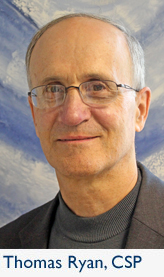
You may hear people using the term “ecumenical,” but what does it mean? The word “ecumenism” is used to describe the efforts to bring together Christians of varying traditions and backgrounds. This week’s blog is written by Father Tom Ryan, director of the Paulist Office for Ecumenical and Interfaith Relations in downtown Boston. Father Tom has valuable recommendations for how all Christians can be “ecumenical” in their day-t0-day lives. Read his post below to learn how you can take part in the healing movement of uniting God’s separated people.


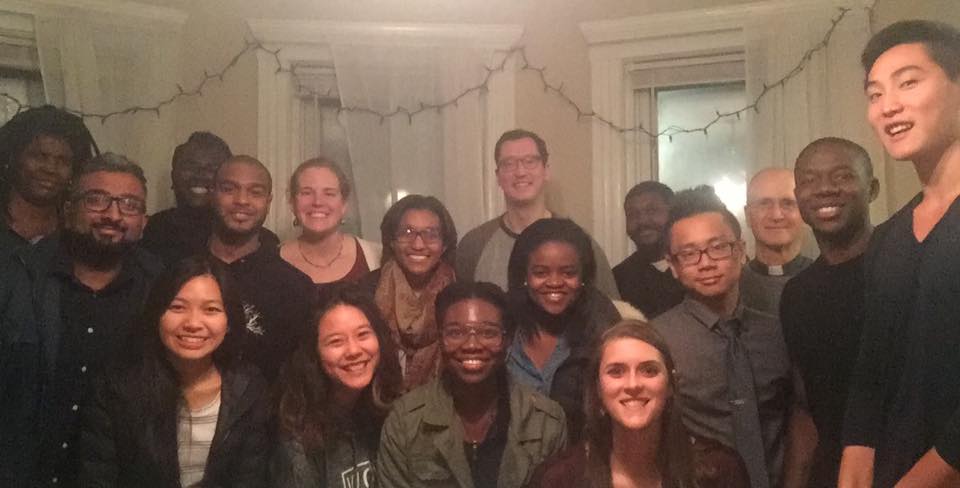
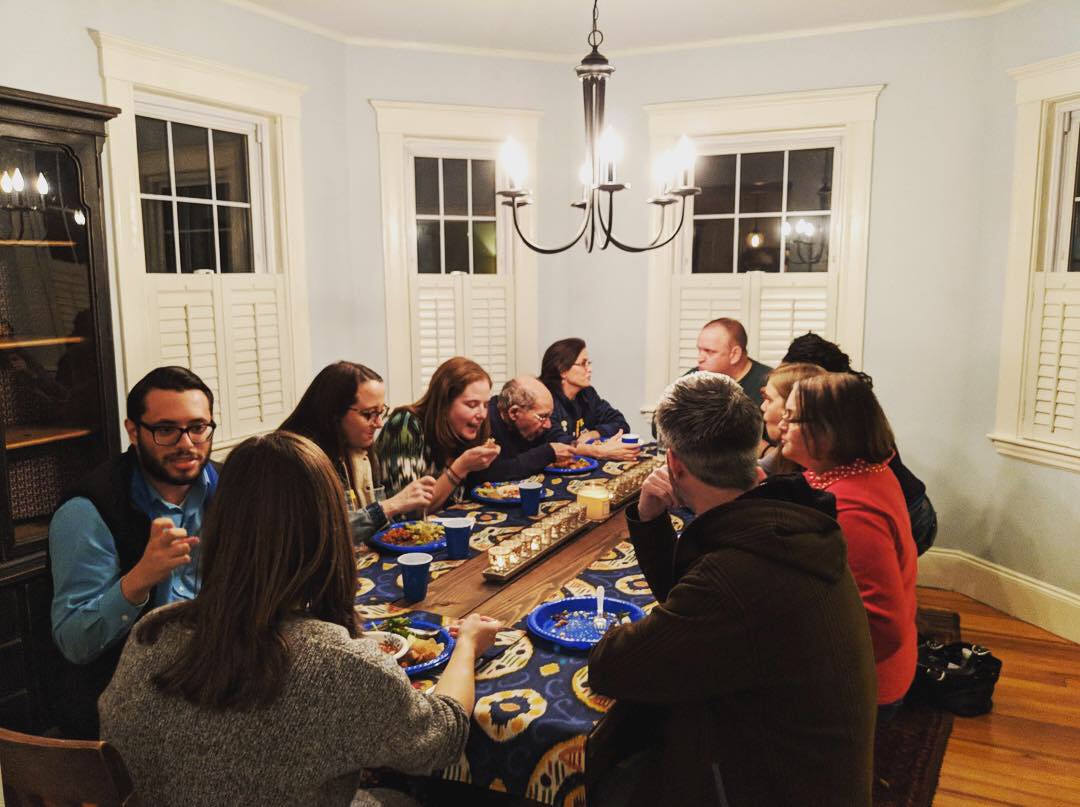
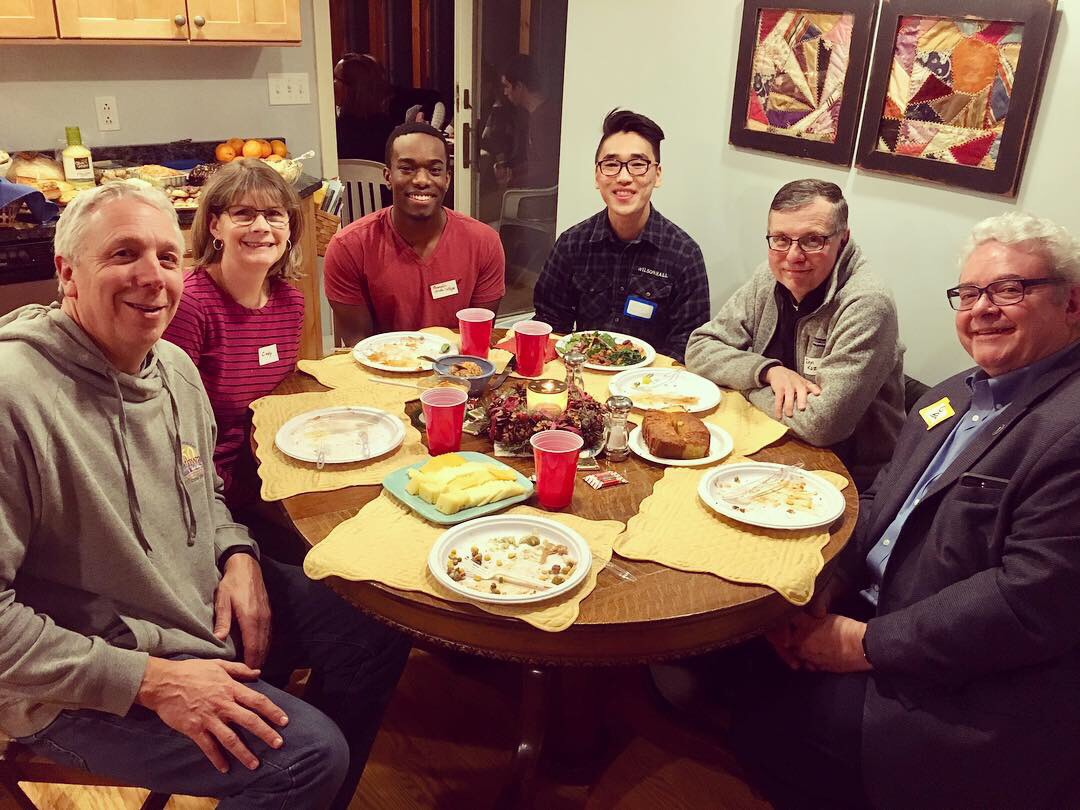
UniteBoston Neighborhood Dinner at Tony’s house in Revere, which Father Tom Ryan attended.

What Does It Mean Today To Be Ecumenical?

by Fr. Tom Ryan, CSP

Recently a friend asked, “What does being ‘ecumenical’ mean?” It was one of those questions that stop you cold because the answer goes off in so many directions you don’t know where to begin. Later, I took paper and pencil in hand and began to reflect on the lessons of my last 35 years in ecumenical work.

Here are some of the things which, in my experience, “being ecumenical” means:

1. To pray regularly for the unity of the Church, as Christ wills it and when he wills it. As theologian, Yves Congar, said; “The way through the door of unity is on our knees.” Prayer is important because prayer’s effect is in us. Prayer changes our hearts, and it is our hearts that most of all need to be changed.

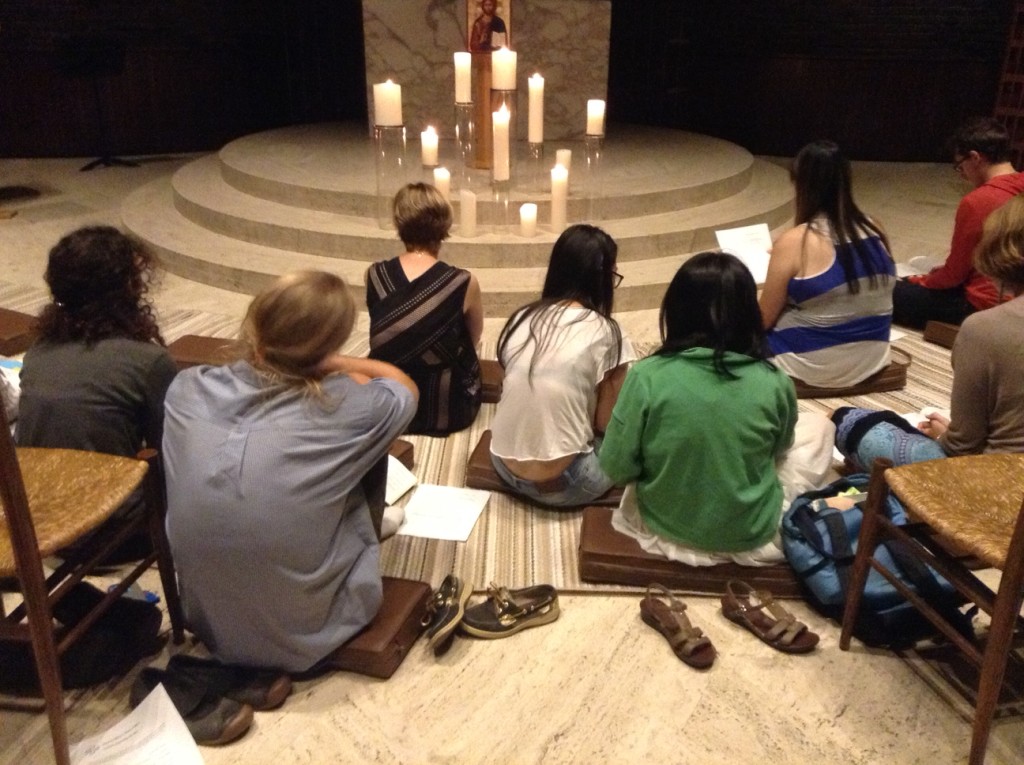
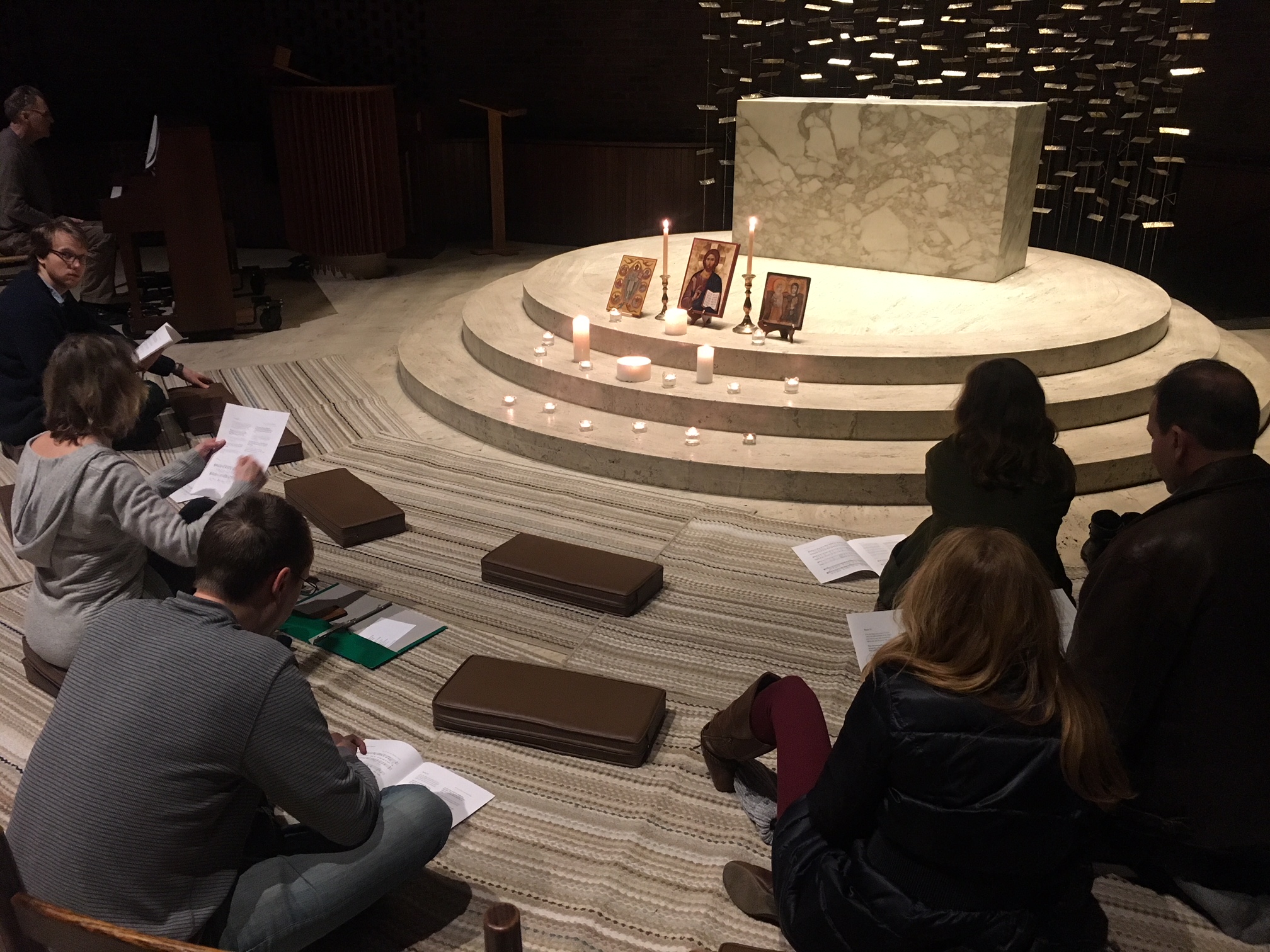
Photo at a Taize Prayer service, MIT Chapel


2. To be rooted in a particular Christian tradition, to know it well, and to be able to present to others the coherency of that tradition’s response to the Gospel. The genuine ecumenists are not at the margin of their church’s life, but at the heart of it. They know what is important in the Christian life and can recognize those elements in other churches even if they may be differently expressed.

3. To take an active part in the careful and honest appraisal of whatever needs to be done for the renewal of one’s own church. Ecumenism is not a specialty within the Church, but an expression of every dimension of its life. It helps the Church to be more the Church and to be faithful to her calling. Dialogue is the meeting of churches.

4. To be fascinated and curious about that which is different. Risk peeping out of our provincial perspectives and opening ourselves to the bigger picture. Ecumenism is a way of living that dares to think globally and live trustfully with differences in community.

5. To be willing to learn. Truth is seldom discovered in isolation but rather through dialogue in diverse community. Each Christian tradition has preserved better than others one or more aspects of the mystery of God’s work in Christ. The work of unity aims at restoring the fullness to our common appreciation of that mystery.

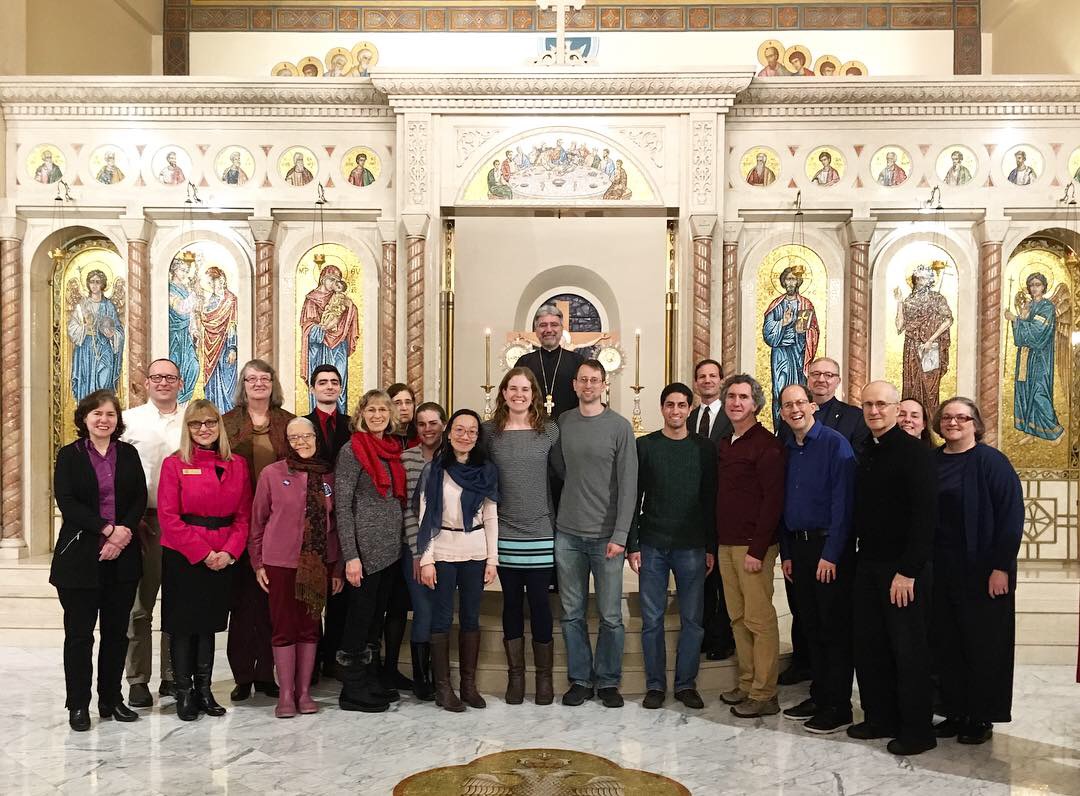
Photo from a prayer gathering at the Greek Orthodox service during January’s Week of Prayer for Christian Unity

6. To cultivate a historical consciousness. We’re on a journey. The church we have is not the church God wants. An ecumenically minded person refuses to worship false gods, and the present expression of the church is not God. Similarly, there is a refusal to make absolute a stage of development that is only the next step on the way to something greater.

7. To be ready to celebrate vitality in the body of Christ wherever it is found. What advances the reign of God in any church helps all churches. The churches are not like competing corporations in the business world, so that the stakes of one rises as the lot of others falls. Any loss of divine truth and life is a loss to Christ and his Church. The only triumph a Christian seeks is that of Jesus and his cross. Our rivalry is not with one another, but with sin.

8. To be willing to work together. Ecumenism is an understanding of human society that identifies fear of the “other” as one of the greatest evils we face. The principle given to all the churches for their life together is: Do everything together as far as conscience permits.

9. To feel the scandal of our divisions. Unity is for mission. Our primary mission is to announce the Good News. The message we joyfully proclaim is that we are reconciled to God and to one another through the life, death and resurrection of Jesus. “Being ecumenical” means feeling a holy unrest at our failure to live consistent with our message, more interested in proving our “rightness” and the other’s “wrongness” than in seeking together to know what the Spirit is asking of us and to do it.

10. To be open to God’s will for the Church. Our unity is God’s gift, and the way to give more visible expression to that gift will also be God’s gift. But we will have to empty ourselves of our self-righteousness and let go of our power games in order to let this be God’s work.

11. To appreciate the important role of provisional regulations and church structures in our evolution from alienation to reconciliation. To accept that the only constant is change and the only refuge is the insecure security of faith. To struggle against the temptation to live in a closed, safe, secure system that reduces our level of fear and satisfies our desires for control. God is a verb. And in the dynamism of the provisional, God’s Spirit is at work, endlessly correcting, improving, adjusting, reorienting.

12. To have an appreciation for the hierarchy of truths in Christian doctrine. A belief has greater or lesser consequence in the measure in which it relates to the foundation of the Christian faith. Grace has more importance than sin, the mystical aspect of the Church more than it’s juridical, the Church’s liturgy more than private devotions, baptism more than penance, the Eucharist more than the anointing of the sick. Placing the greater stress on those doctrines in closest relation to the heart of Christian faith enables us to build further agreement.

13. To try to understand others as they understand themselves. To avoid any expression, judgment or action that falsifies their condition. Ecumenical honesty means we do not look upon others through the prism of their weakest elements, or over-generalize their positions with statements like “Protestants say … Anglicans do … Orthodox are … Catholics will …” Rather, our ideals are put next to their ideals, our practices next to their practices, as opposed to our ideals next to their practices.

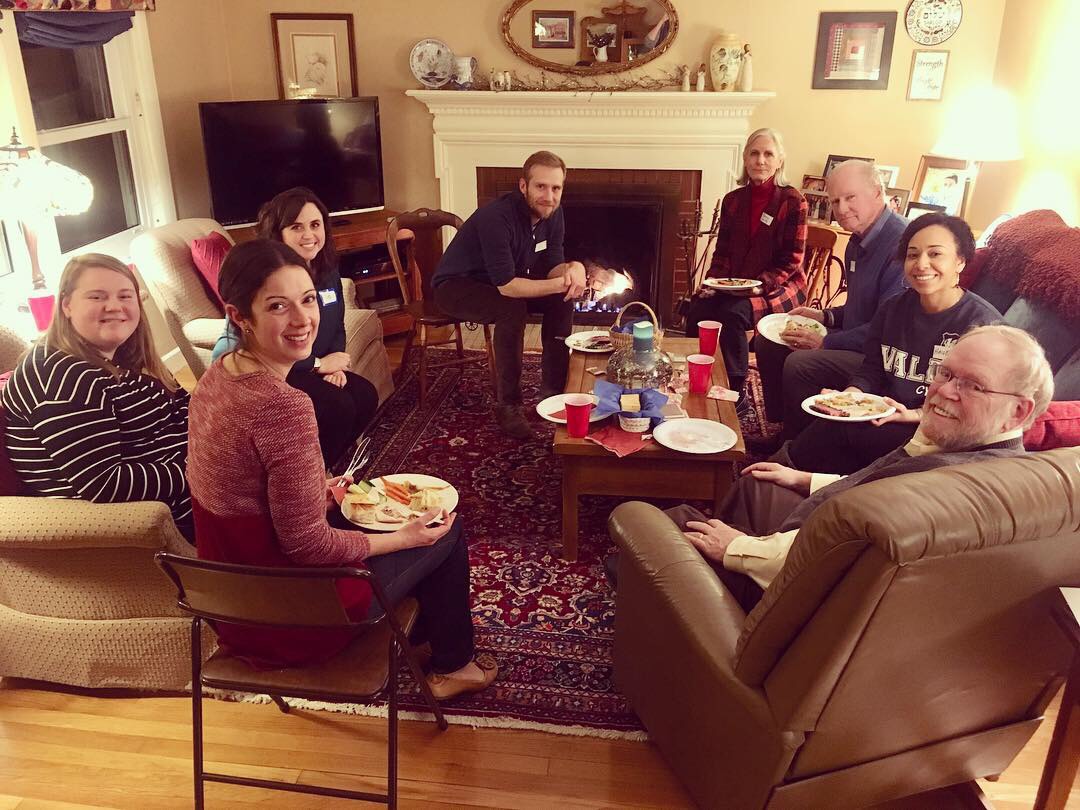
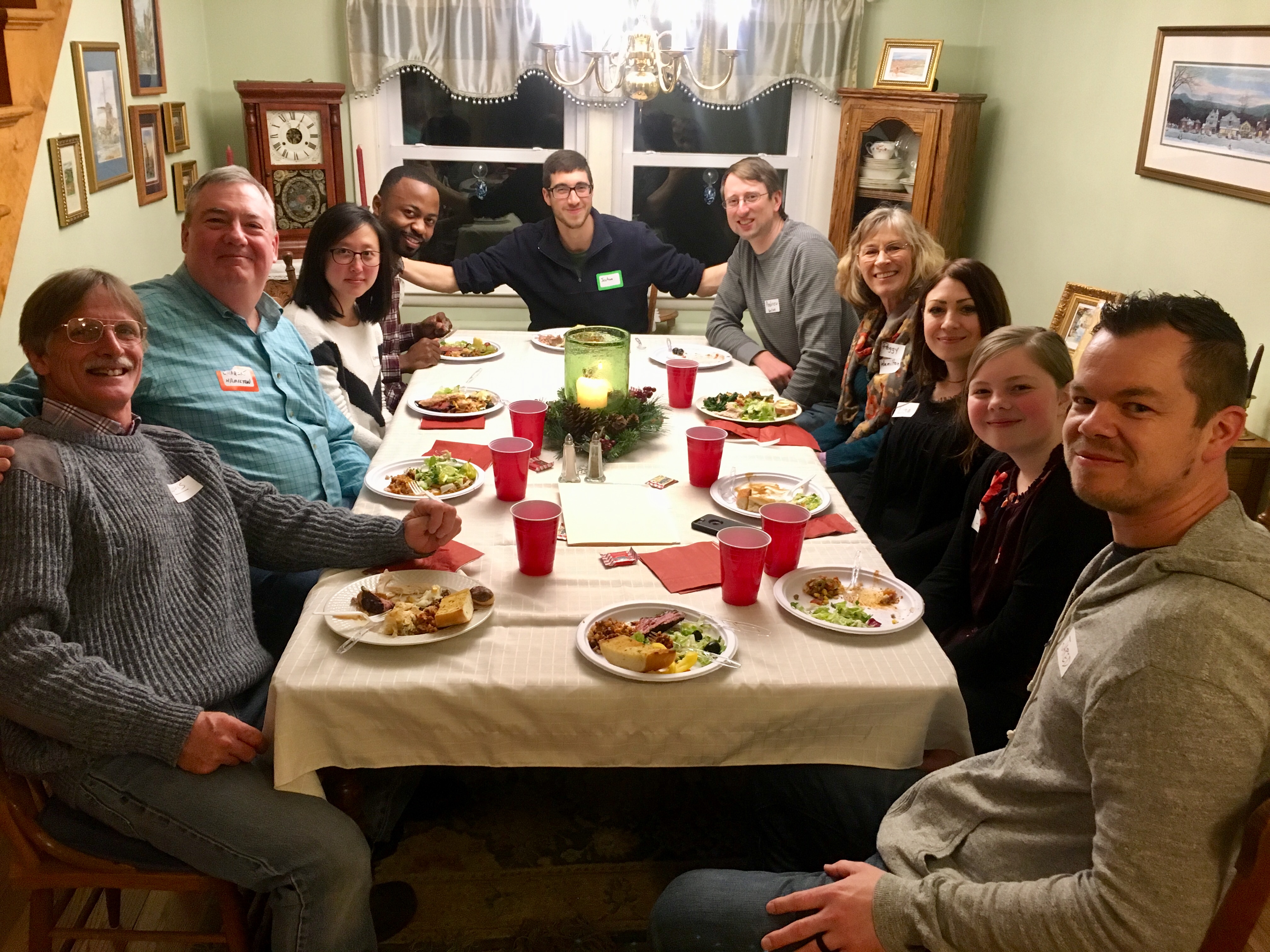
West Roxbury neighborhood dinner at Sally’s house

14. To be alert to the presence of God and the action of the Holy Spirit in the lives of other Christians and members of other living faiths. The Church of God does not have a mission as much as the mission of God has a church. The Church is the sign and sacrament of God’s presence in the world, but God’s activity is by no means limited to the Church and its members. The Church serves the advance of the Kingdom but is not tantamount to it.

15. To have a biblical patience. Biblical patience calls for creative waiting, doing now what we can instead of moaning about what church disciplines will not allow us to do. It means being willing to accept or absorb negativity so that the person who is the source of it will eventually go beyond it. Christ suffered for unity. At times so will we. Biblical patience involves staying with it, searching for the healing that comes from understanding and forgiveness. Everyone is in favor of Christian unity. Some are even willing to work for it. But few are willing to suffer for it.

Fr. Tom Ryan leads the Paulist National Office of Ecumenical and Interfaith Relations. You may find more information about the office, it’s newsletter/journal Koinonia, ecumenical retreats, and inter-congregational Gospel Call missions at tomryancsp.org

Written by uniteboston · Categorized: Blog · Tagged: christian unity, community, reconciliation, uniteboston, unity

Feb 15 2019

Transforming Hostility into Enemy-Embracing Love Sermon

Do you want to learn more about the theology behind Christian unity?

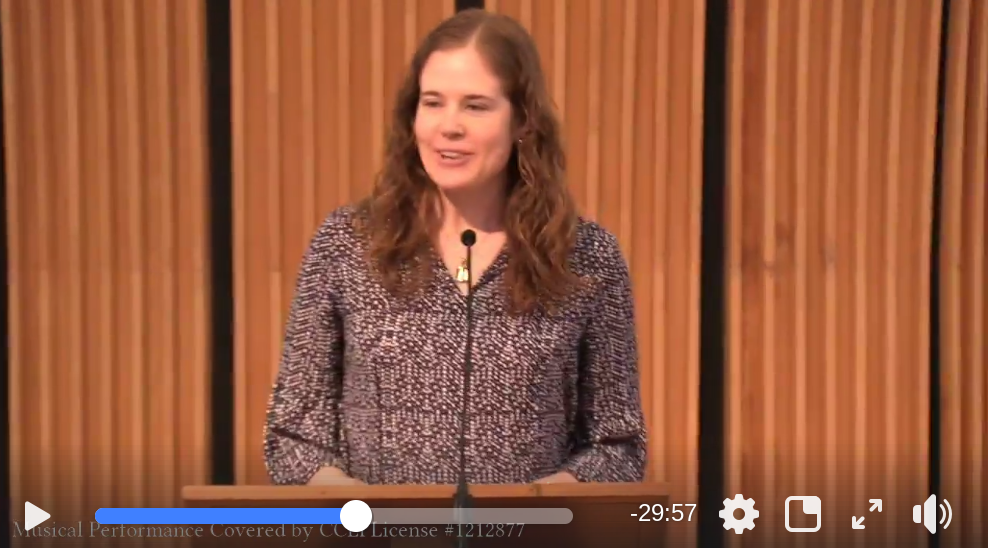
UniteBoston’s Executive Director Kelly Fassett preached at Gordon-Conwell Theological Seminary this past Wednesday. Her sermon was titled “Transforming Hostility into Enemy-Embracing Love.” Jesus redefined who we should associate with and modeled enemy-embracing love, even for the people that were nailing him to the cross. The sermon is centered on the scripture text Ephesians 2:11-22, which emphasizes Jesus’ reconciling peace, and the work of Christ that destroyed hostility between Jews and Gentiles.

“For he himself is our peace, who has made the two groups one and has destroyed the barrier, the dividing wall of hostility, by setting aside in his flesh the law with its commands and regulations. His purpose was to create in himself one new humanity out of the two, thus making peace, and in one body to reconcile both of them to God through the cross, by which he put to death their hostility.  He came and preached peace to you who were far away and peace to those who were near.” (Ephesians 2:14-17)

As Christians, how can people believe that we are reconciled to God, if we aren’t reconciled to one another? Kelly believes that there is one major component that is preventing unity and reconciliation: hostility. She highlights four steps we can take to uncover the hostility we may be holding towards other Christians by:

  1. Reflecting on which Christian groups we consider to be outside of the “true Christian church”
  2. Going with curiosity to learn from people and worship settings
  3. Reflecting and discerning which aspects of their faith that you want to adopt into your own Christian practice
  4. Speaking well of fellow Christians and treating them as if they were the living, breathing body of Christ

She states boldly that Christian unity is a process by which the church is brought to maturity (Eph 2:21-22, Eph 4:15-16). Our differences even among Christians seem to lead to intractable polarization and division – Listen to the sermon below to reflect, learn and grow together across the diversity of Christian belief and practice.


Written by uniteboston · Categorized: Blog · Tagged: christian unity, peace, reconciliation, uniteboston, unity

Feb 09 2019

Divided We Stand? Evangelicals and Catholics Search for Common Ground

Big News! UniteBoston is featured this week on the Neighborly Faith Podcast!

Neighborly Faith Podcast hosts Kevin Singer and Chris Stackaruk searched nationwide for the cutting edge of Evangelical-Catholic ecumenism, the work towards unity among Christians. They traveled to Boston and Chicago to investigate the status and future of Evangelical-Catholic relationships in these cities, interviewing pastors & priests, professors, laypersons, seminarians, and musicians from both traditions. In their extensive and exclusive interviews, they investigate: What can today’s leaders in ecumenism teach us about the future between these two traditions?

Episodes include:
  • Evangelicals, Catholics, and Jesus’ Call for Unity: How should Christians follow the NT command for the Church to be one as Jesus and the Father are one?”
  • First Impressions of Evangelicals/Catholics…and Why They Changed: Leaders talk about their first impressions of the other, and how those impressions are changing.
  • Why is Christian Unity Difficult?: What are the hindrances Evangelicals must overcome in order to engage better with Catholics?
  • What Does Christian Unity Look Like?What does unity realistically look like in our world today?
  • Evangelicals and Catholics Working Together:  How are Evangelicals and Catholics working together now for the betterment of their churches, communities, and societies?

Click here to download the research and media report

Here are links to the series: SERIES // SITE. These episodes would be great to listen to on a morning commute!

Here is the link to the “Evangelicals and Catholics Working Together” episode that features UniteBoston.

Featured Guests from UniteBoston include:

  • Kelly Fassett, the Founder and Executive Director of UniteBoston
  • Korleen Sheridan, member of UniteBoston’s Worship Team
  • Dr. Elizabeth Smith, Catholic scholar and ecumenist
  • Chloe Gaydos, UniteBoston Worship Team Band Manager
  • Rev. Dana Baker, Pastor of Social Justice and Multicultural Ministry at Grace Chapel and UniteBoston Board Member
“Ecumenism is us functioning as a body in which each part is playing its own role, yet there is synergy, conjunction, and coordination. I do what I can to promote a sense of honor and respect across the differences. Not that we would erase our differences but recognize them and be challenged by them. This giving and receiving is in the nature of God the Trinity”
-Kelly Fassett
Executive Director, UniteBoston
Please share this resource as widely as you are able. We’d love for the series to reach all who care about the future of Evangelical-Catholic ecumenism.
You can keep up with Neighborly Faith here: TWITTER // FACEBOOK // NEWS

Written by uniteboston · Categorized: Blog · Tagged: christian unity, grace chapel, jesus, uniteboston, unity

Jan 23 2019

2019 Week of Prayer for Christian Unity: Photos and Stories

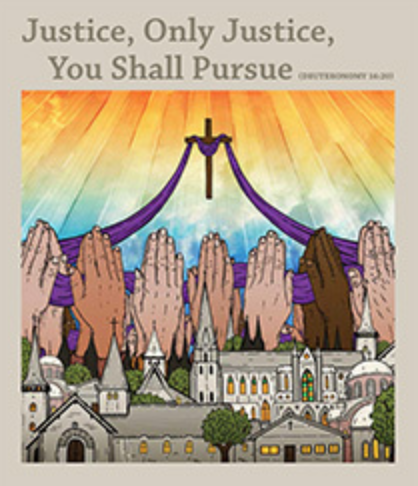
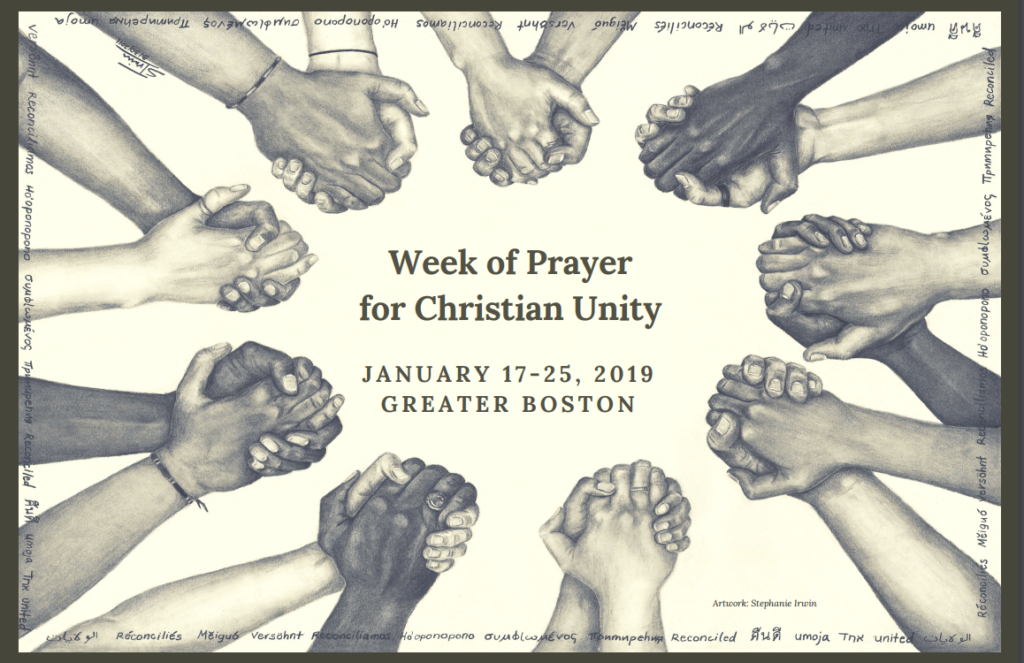
Week of Prayer for Christian UnityThe Week of Prayer for Christian Unity is an international initiative where Christians worldwide are reminded of Jesus’ prayer for his disciples that “they may be one so that the world may believe” (John 17:21). In 2019, the theme was “Justice, Only Justice, You Shall Pursue,” (Deuteronomy 16:20), and was chosen by Christians in Indonesia. We coordinated a combination of nightly worship services and neighborhood dinners aligned with this theme to focus attention on how we can contribute to acts of unity, justice and mercy in our personal lives and within our communities.

Check out the photos below, and be encouraged by the growing interest in neighborhood-based collaboration among Christians from a variety of backgrounds – for the glory of God and the good of the city.

Night 1: UniteBoston Neighborhood Dinner: North Shore

We had an incredible start to the Week of Prayer for Christian Unity on Thursday evening with the inaugural North Shore neighborhood dinner, hosted by Peggy Hothem from Our Savior Lutheran Church. 35 people from 16 different churches crowded into her home in South Hamilton. We shared a potluck meal together, discussing our various ministry interests and the justice issues that each of us care about. We then joined our hearts in prayer and sang together “The Church’s One Foundation.” You’ll see there are three photos below – too many people to fit in one picture!
 
There was a tangible desire shared among the group to partner across our congregations and model a different way of doing “church” that is characterized by unity and reconciliation, rather than conflict and division. A particular highlight of this gathering was the large representation of both Catholics and Protestants. What a great start to the week!

Night 2: The Art of Hope: Creation

This event had art, spoken word, music, and creative performances related to creation, hosted by Hope Fellowship Church in Cambridge. Kiki Densamo, who is a UB Neighborhood Dinner Coordinator in Cambridge, also showed her short film documenting the story of a young man who immigrated from Ethiopia to the US. It was awesome to see how this evening intentionally welcomed people who don’t normally attend church!

Day 3: UniteBoston Neighborhood Brunch: Watertown/Belmont

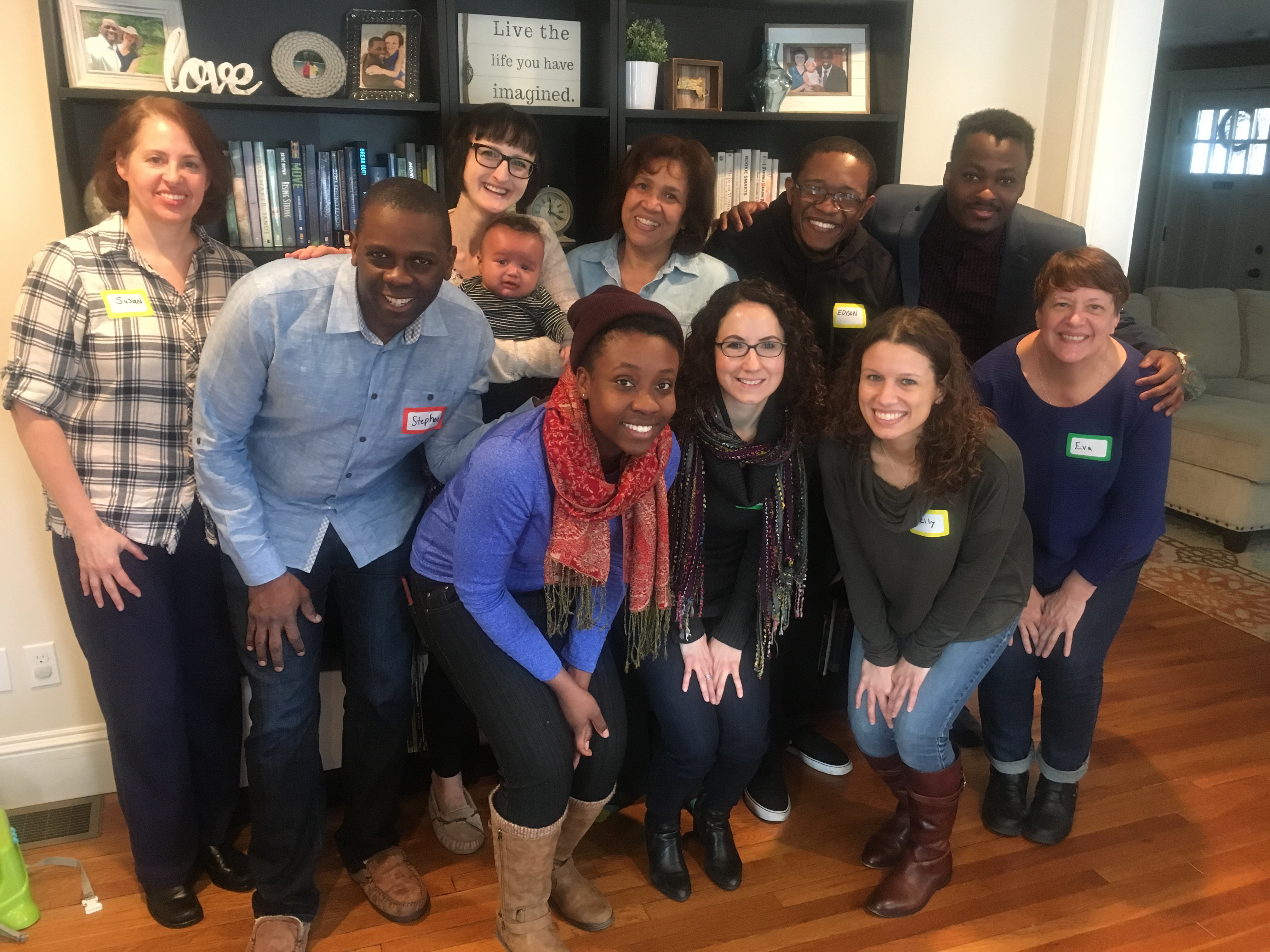
Rebekah and Stephen Nyakairu from Grace Chapel Watertown graciously opened their home for a delicious brunch and great conversation around racial justice, multiethnic congregations, and reconciliation. Here is a discussion guide that can be used to foster conversation within your own home or community group around racial justice, which incorporates the artwork of Stephanie Irwin.

Night 3: Anchor Prayer and Worship Service

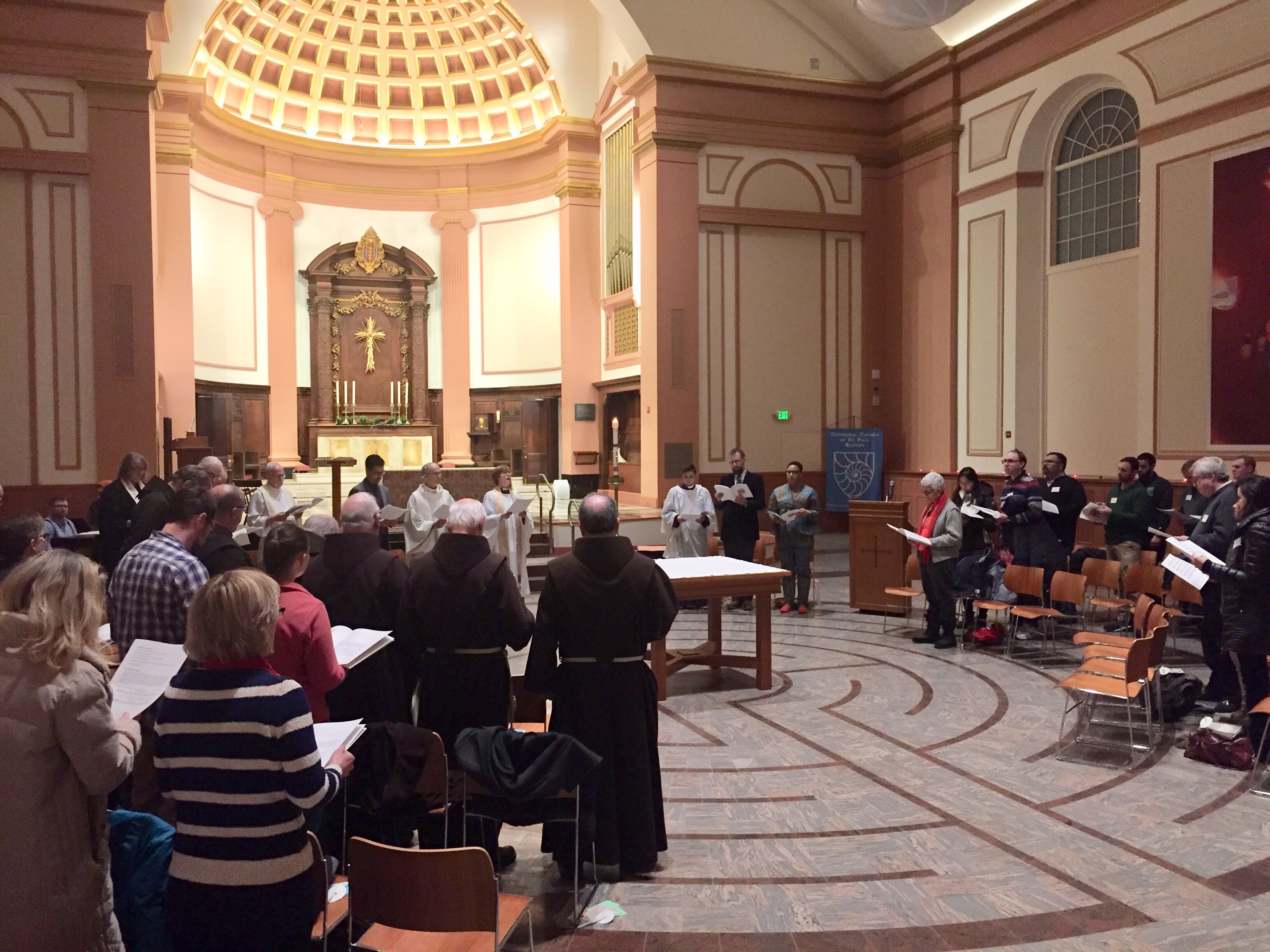
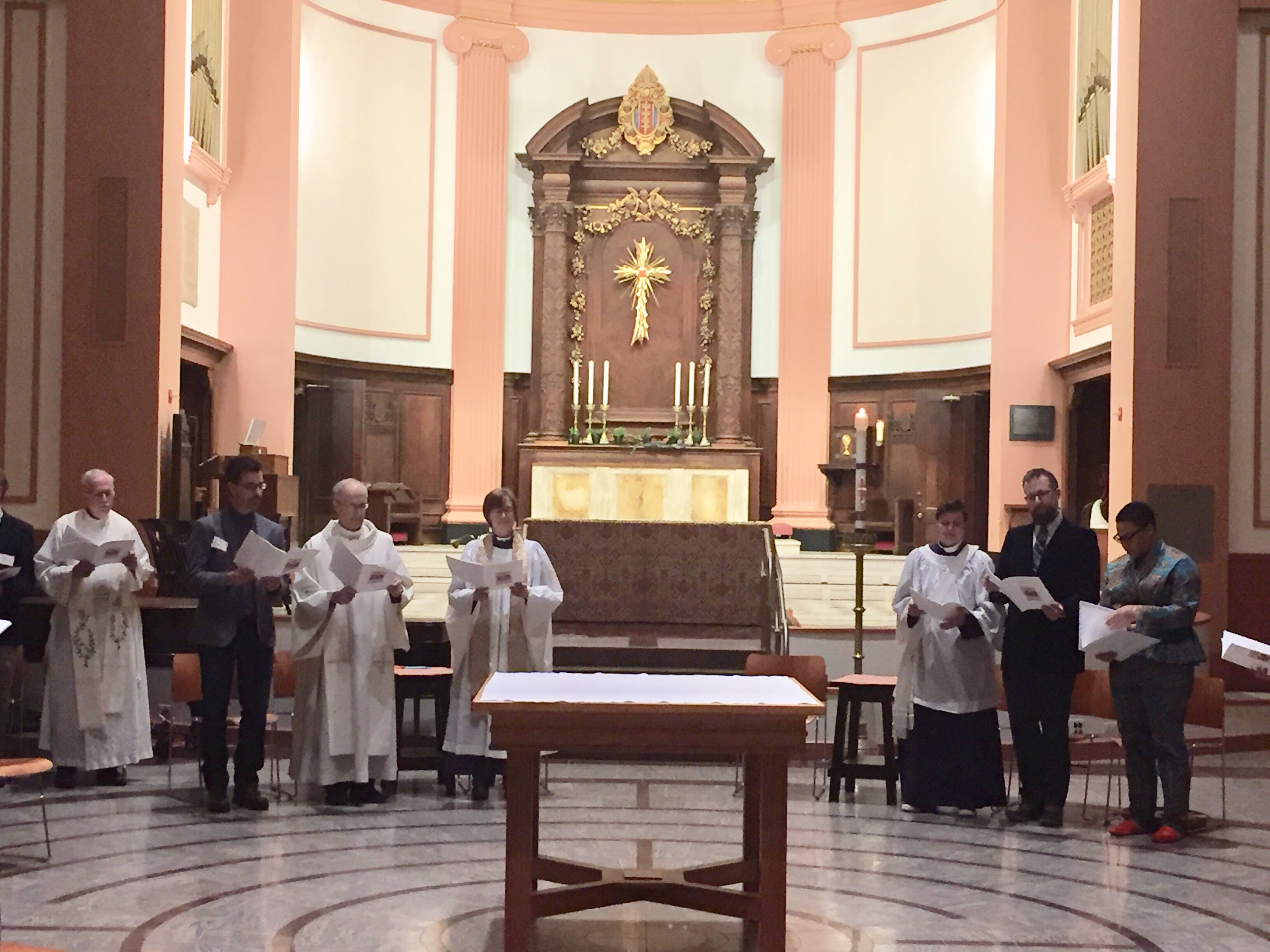
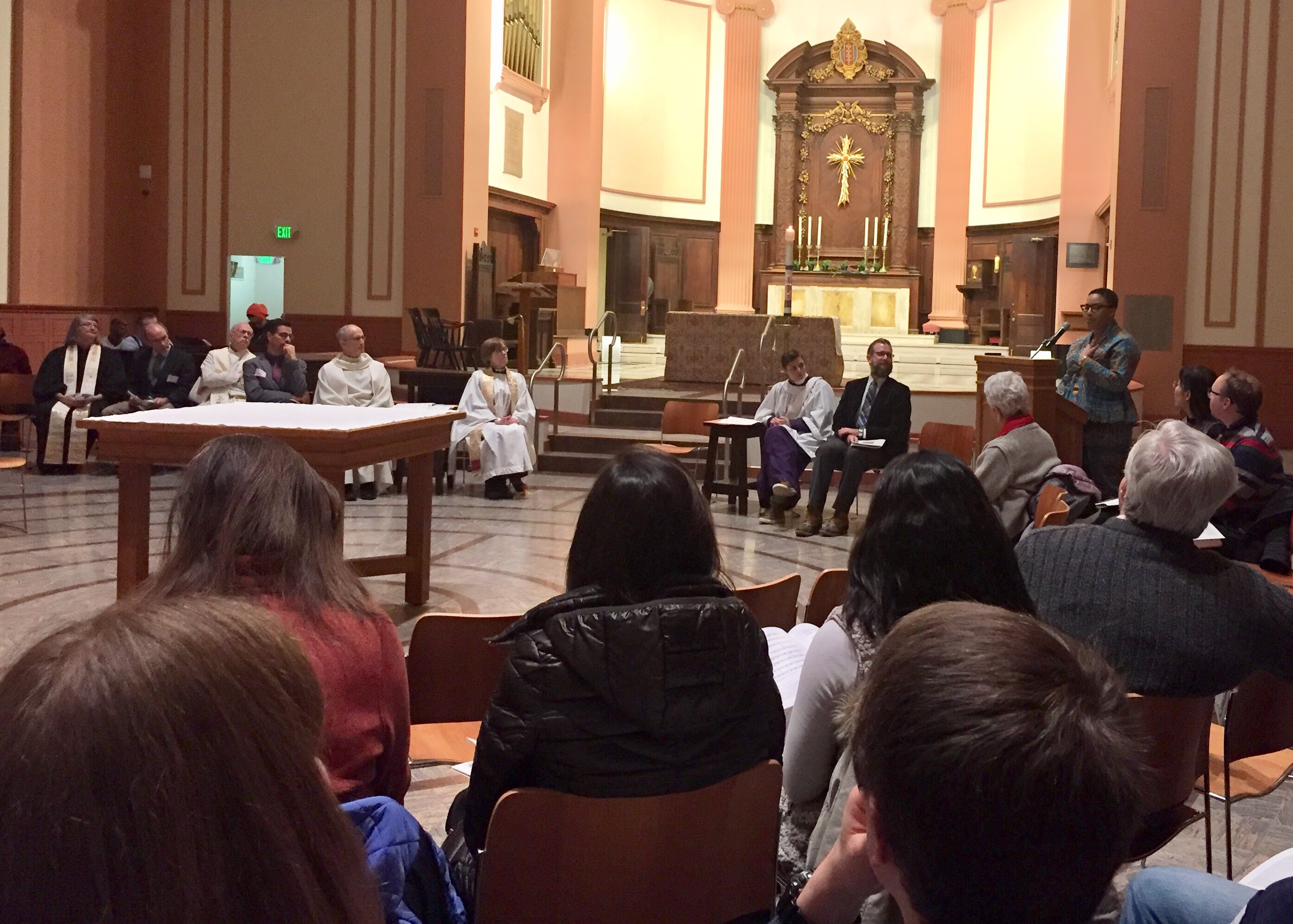
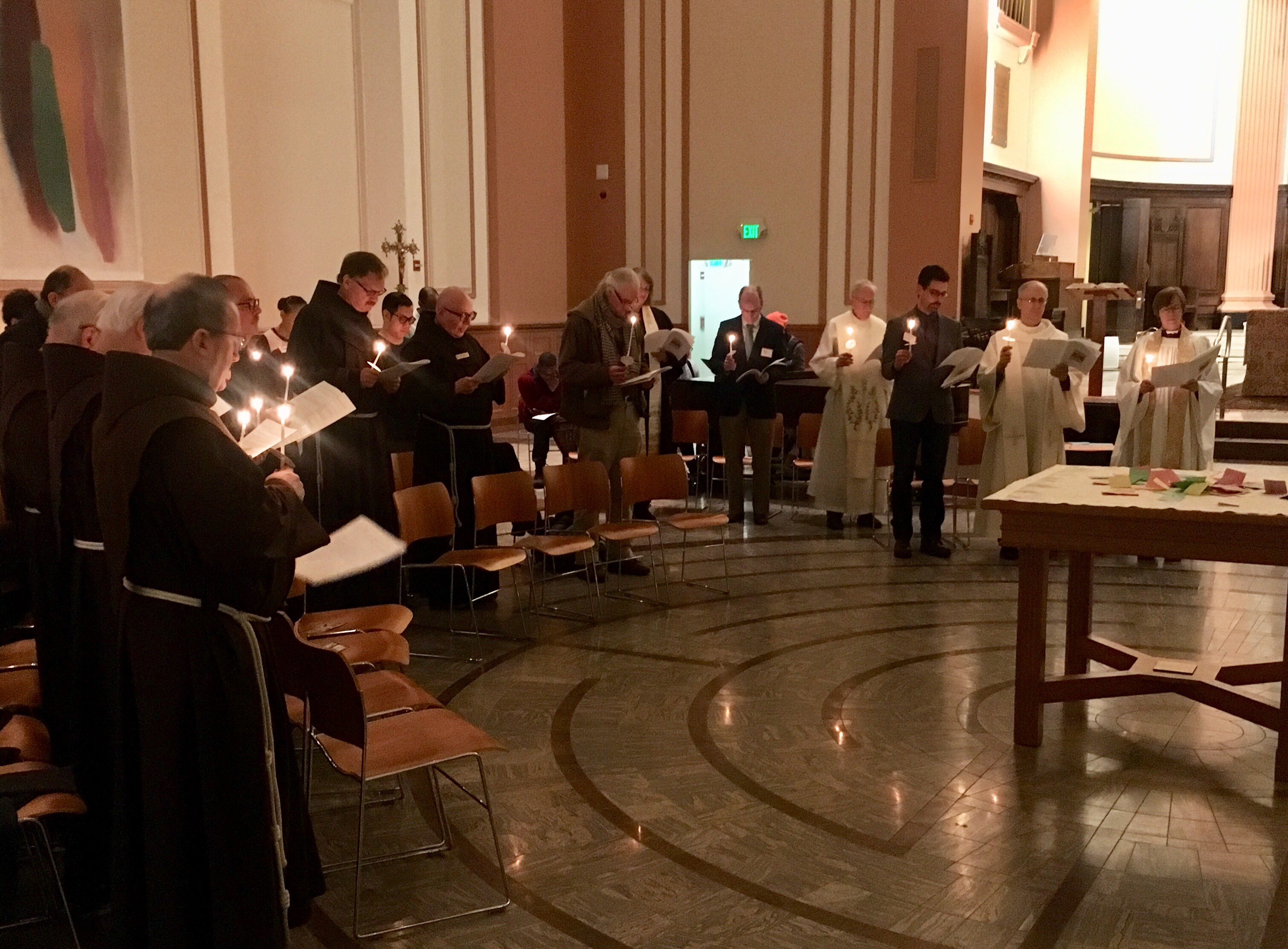
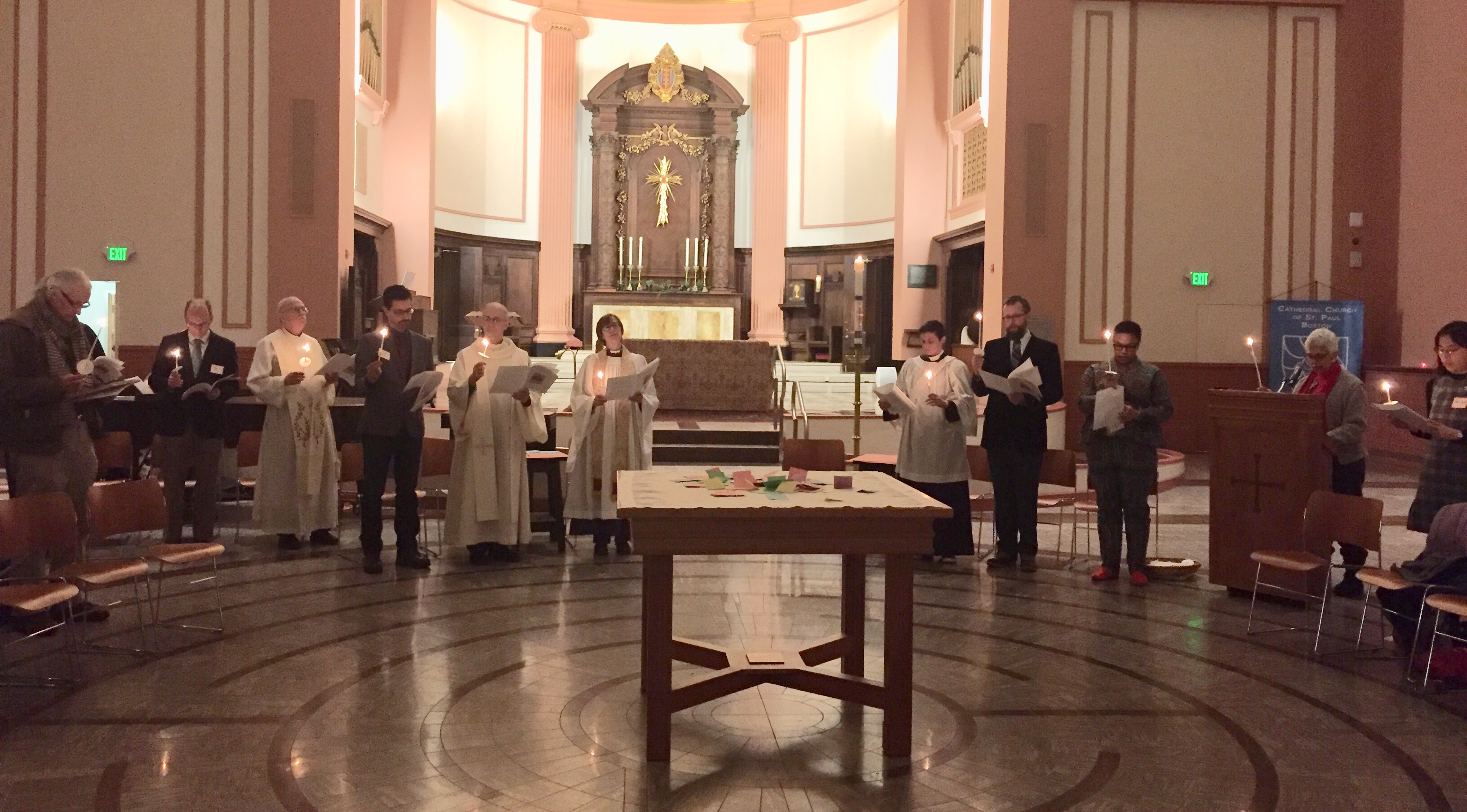
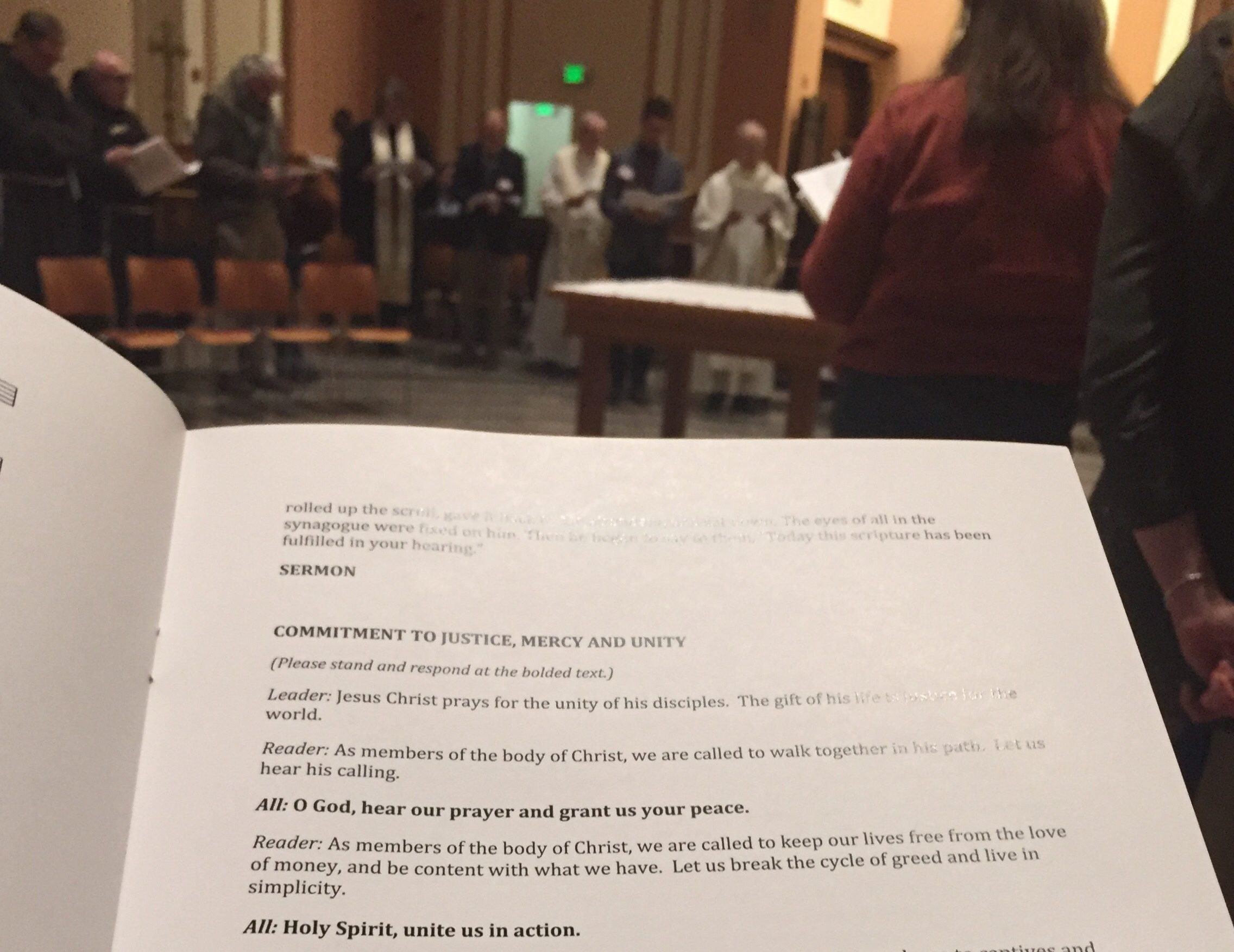
We had a moving prayer service on Saturday evening for the anchor gathering of the Week of Prayer for Christian Unity – it was great to join together in prayer amidst the snowstorm outside.  Thank you to Rev. Amy and St. Paul’s Cathedral for hosting this beautiful time of worship and prayer, as well as all participating clergy and congregants. 

The many clergy present represented a variety of traditions, including Catholic, Evangelical, Episcopal, and United Church of Christ.

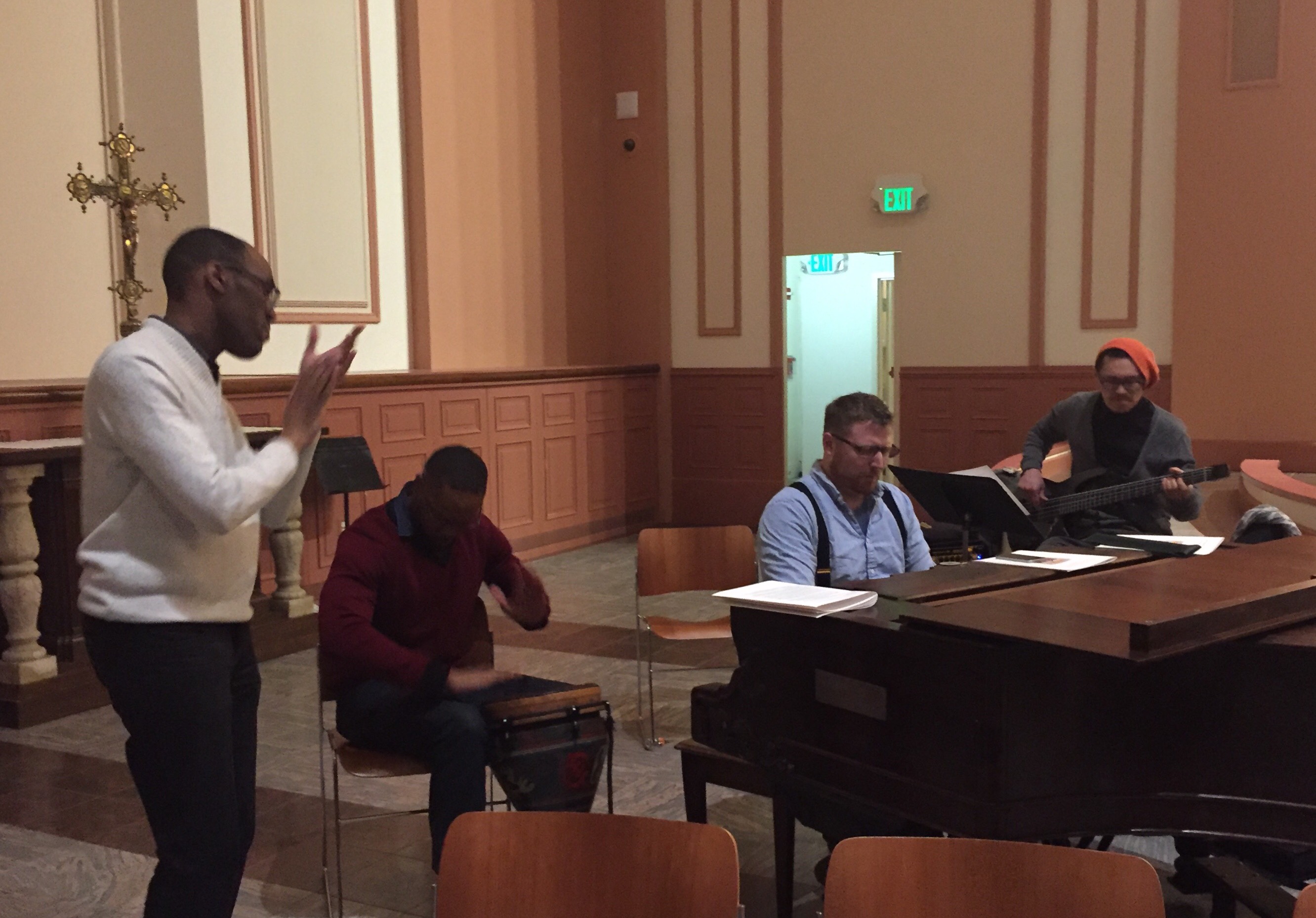
The Crossing band led us in lively song – jazzing up the traditional Christian hymns and choruses.

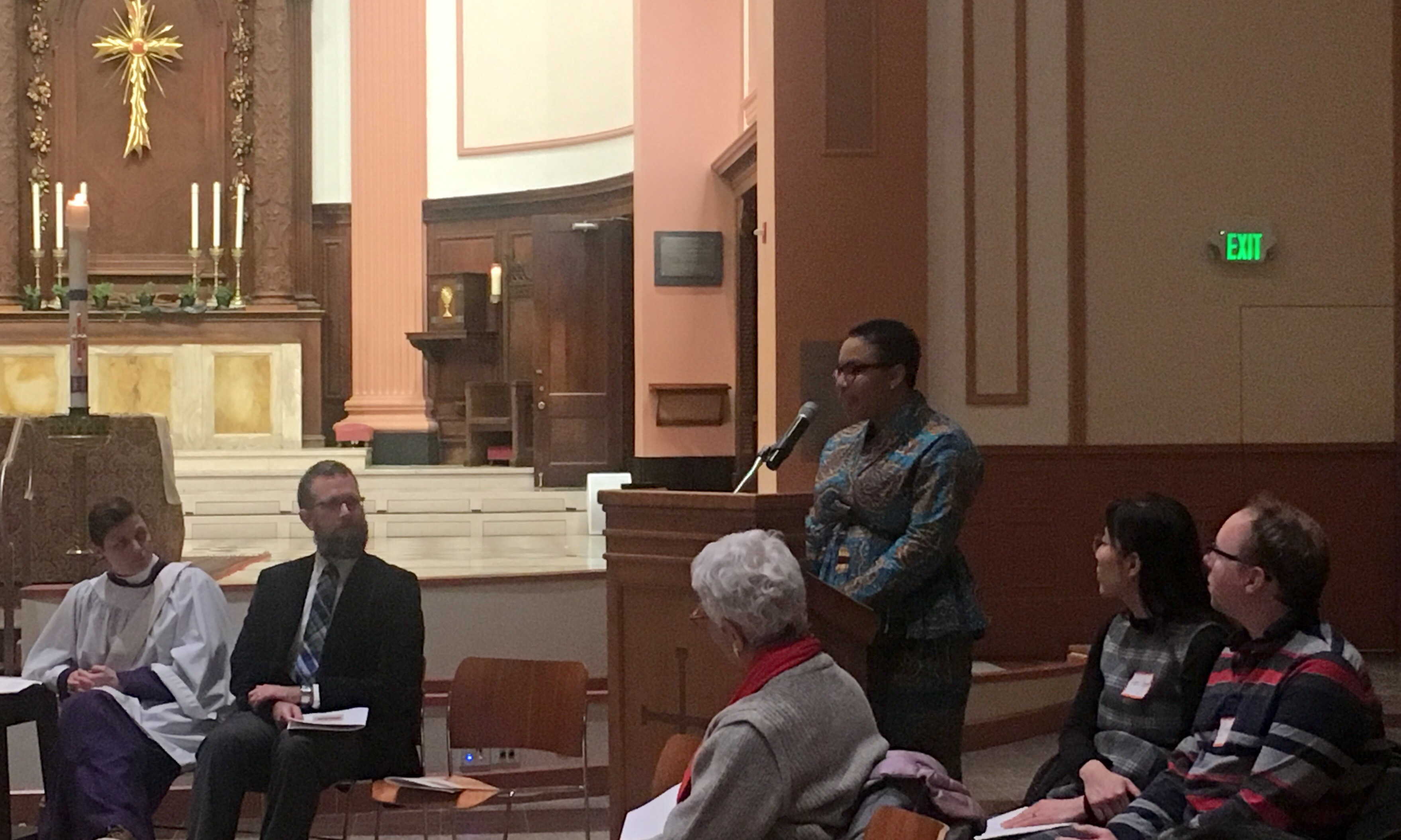
Ylisse Bess Washington preached a powerful word, describing that truth telling, truth seeking and living is the beginning of justice, and how we need each other to do this well. Click here to listen to her sermon.

We then lit candles and passed the light from one person to the other – A great symbol of our need to receive from one another in sharing the love of Christ to the world.


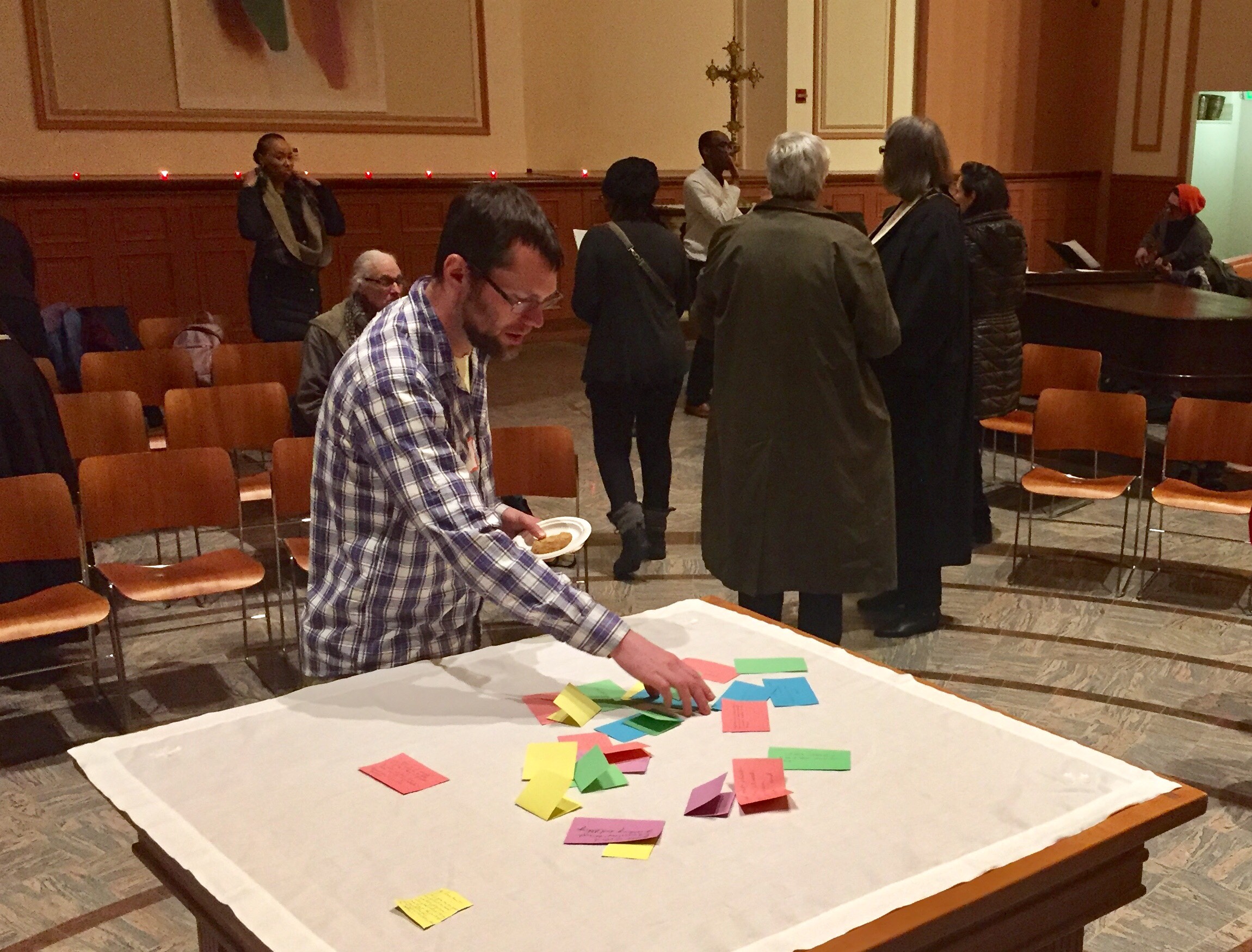
The evening concluded with writing our own commitments of how each of us can contribute to acts of justice in our own lives. Each person was invited to take home the card displaying someone else’s commitment to remember our need for one another in the work for justice and to keep them in prayer.

Day 4: Rev. Dr. Martin Luther King Service Projects

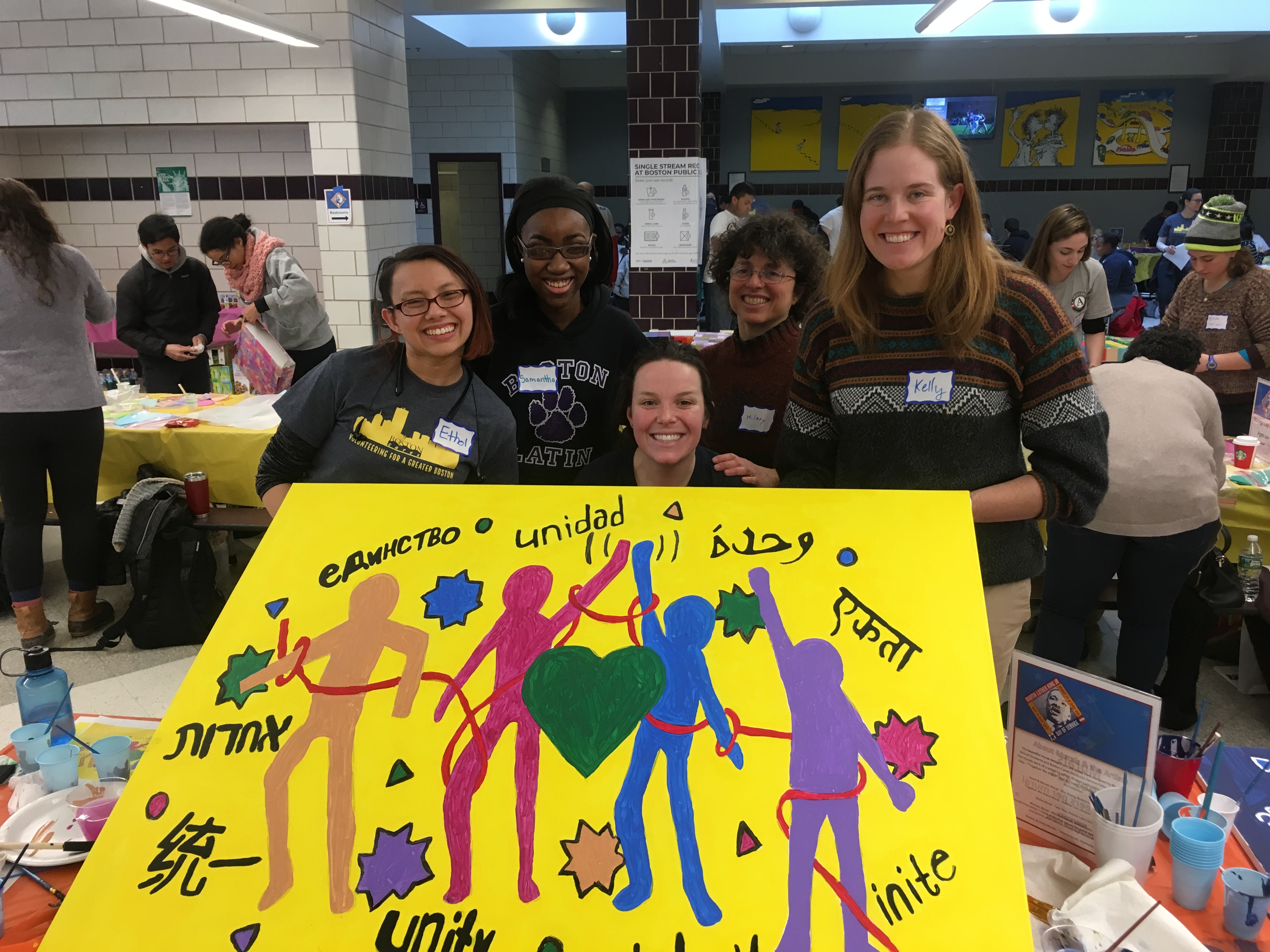
UniteBoston’s Team Leader Kelly Fassett at the Boston Cares MLK Day of Service at Boston Latin School. They had a variety of opportunities, including creating conversation Jenga games and journals for English Language Learners and constructing bed frames for youth who don’t have a bed to sleep in. She helped to paint this mural – It had the word “unity” in different languages.
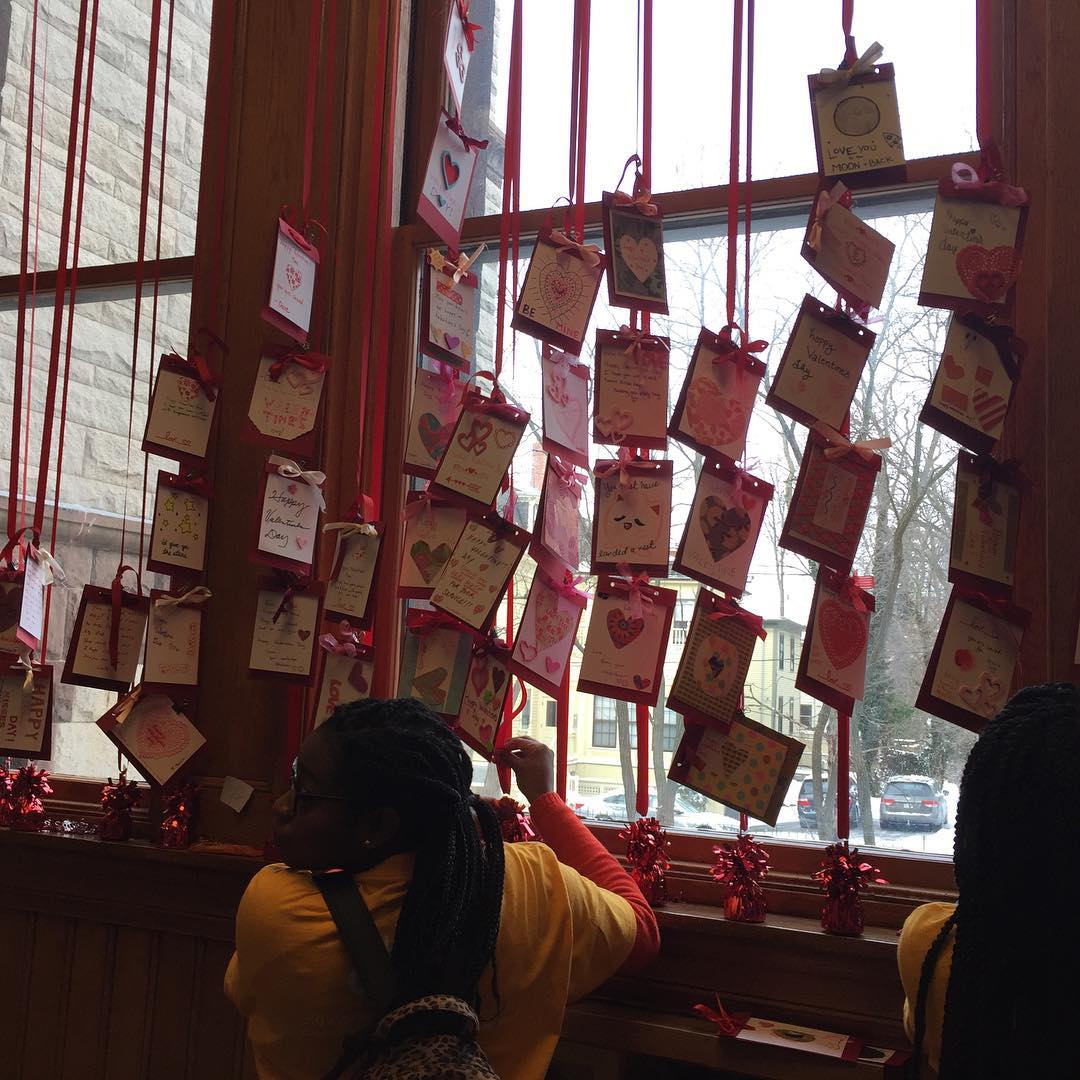
UniteBoston’s Cambridge Neighborhood Coordinator Kiki Densamo served at the Cambridge MLK day of service by creating valentines for elders and veterans.

Night 5: Jamaica Plain Neighborhood Dinner

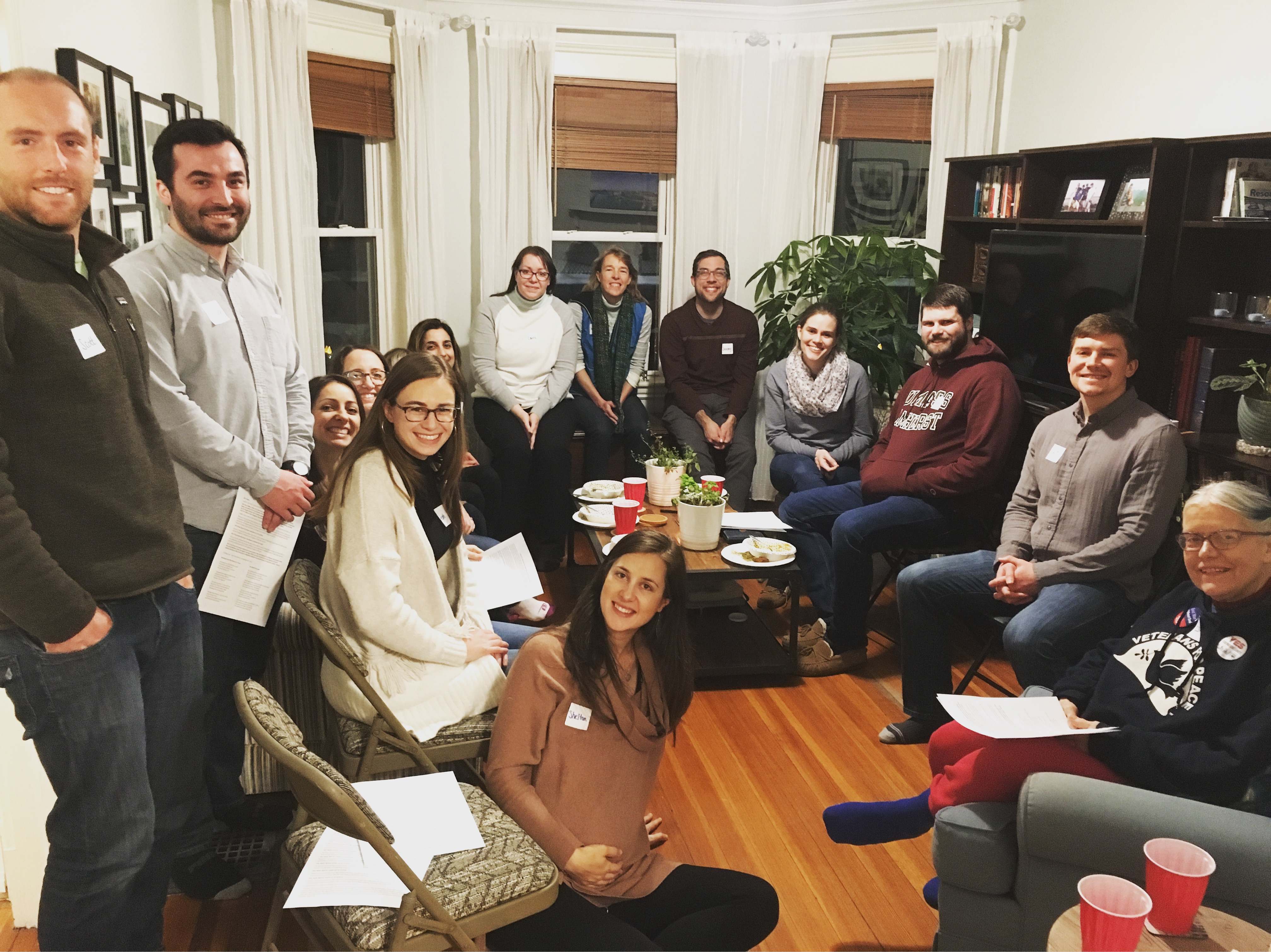
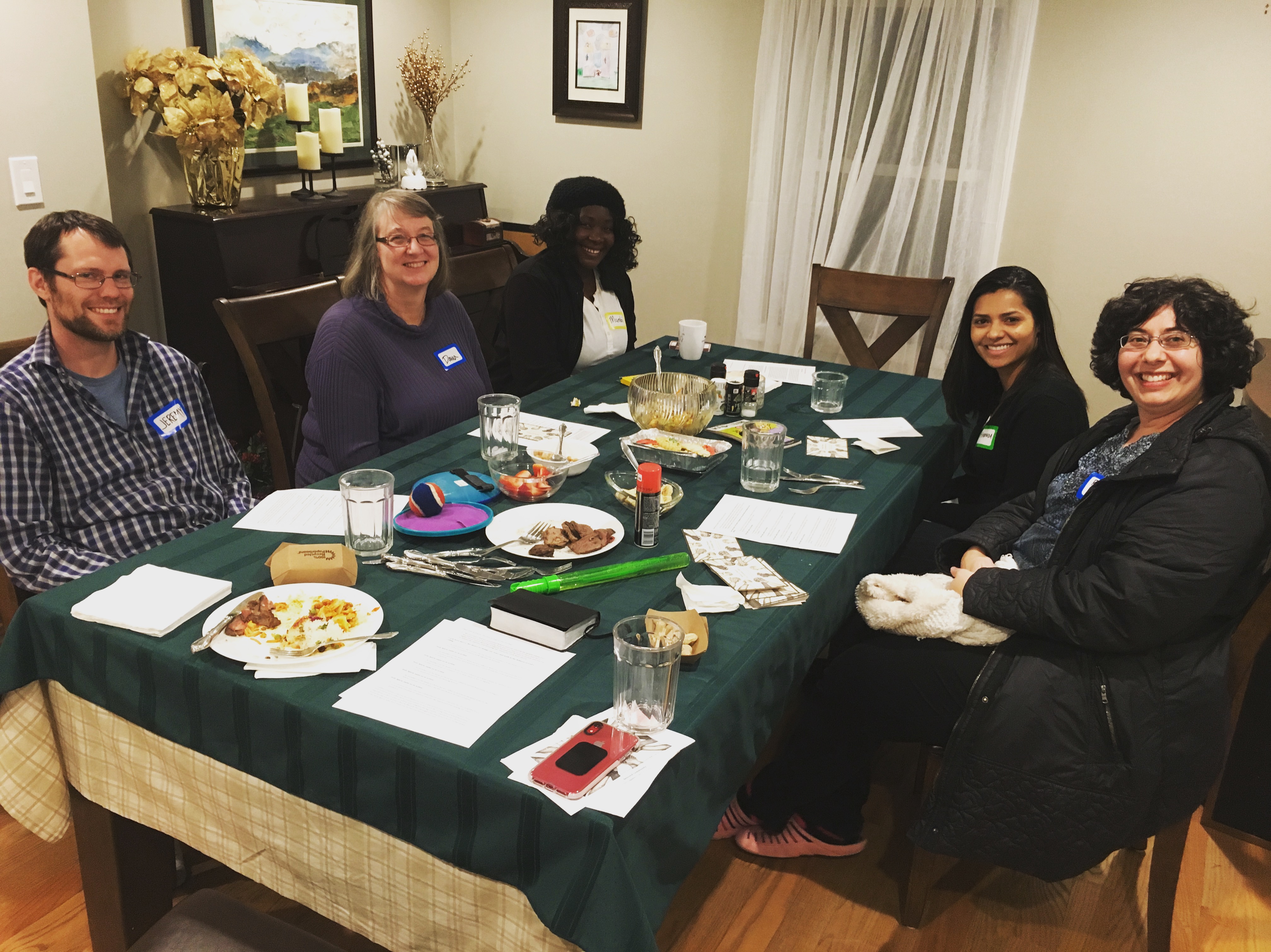
There was a great group at our Jamaica Plain neighborhood dinner! Good conversation about the need for economic justice, yet a recognition that systemic complexity provides no easy answers. There was enthusiasm for neighborhood-based connection and collaboration among the group to minister to the needs of the community in the likeness of Christ. Thanks to Kate Devane Brown and her husband Matt from Mosaic Boston for their gracious hospitality in opening up their home for their first neighborhood dinner!

Night 6: Medford/Malden Neighborhood Dinner

We had a great conversation last night at the Malden/Medford neighborhood dinner. There were some deep thinkers in this group – we considered questions involving the tension between unity, justice, and truth, and how we might keep unity at the forefront of our minds in the midst of conflict. It was also great to see the partnership between Mambi and Rebekah working together to host this dinner. 

Night 7: Greek Orthodox Vespers Service

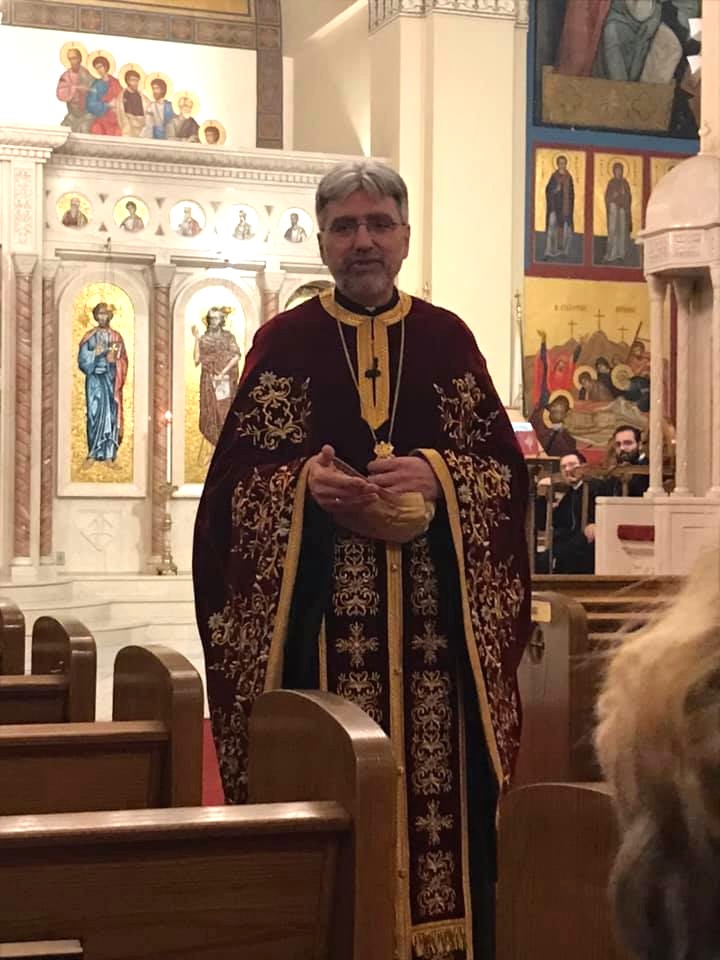
We had the opportunity to experience an Orthodox Great Vespers service this evening – for many of us, this was the first time ever worshipping in the Orthodox tradition. What a deep, rich, reverent style of worship that takes seriously the historical roots of the Christian faith!

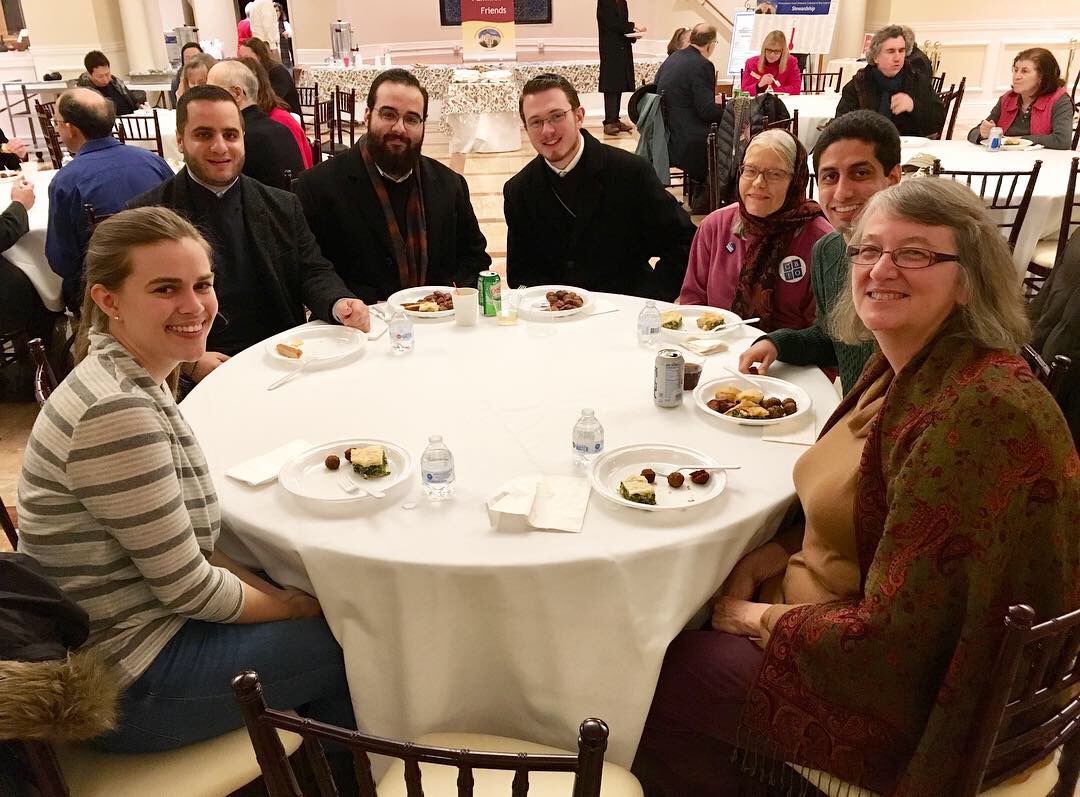
We are grateful to Rev. Dr. Demetrios Tonias, Dean of the Anunciation Cathedral of Boston, for hosting us and teaching us about the Orthodox Church, such as their understanding of liturgy as the meeting of heaven and earth. People expressed gratitude for this opportunity to learn about the beautiful ancient traditions within the Orthodox Church, and the continuity with the Jewish roots of the Christian faith.

Delicious Greek food and fellowship with our Orthodox brothers who led us with the chanting of the service.

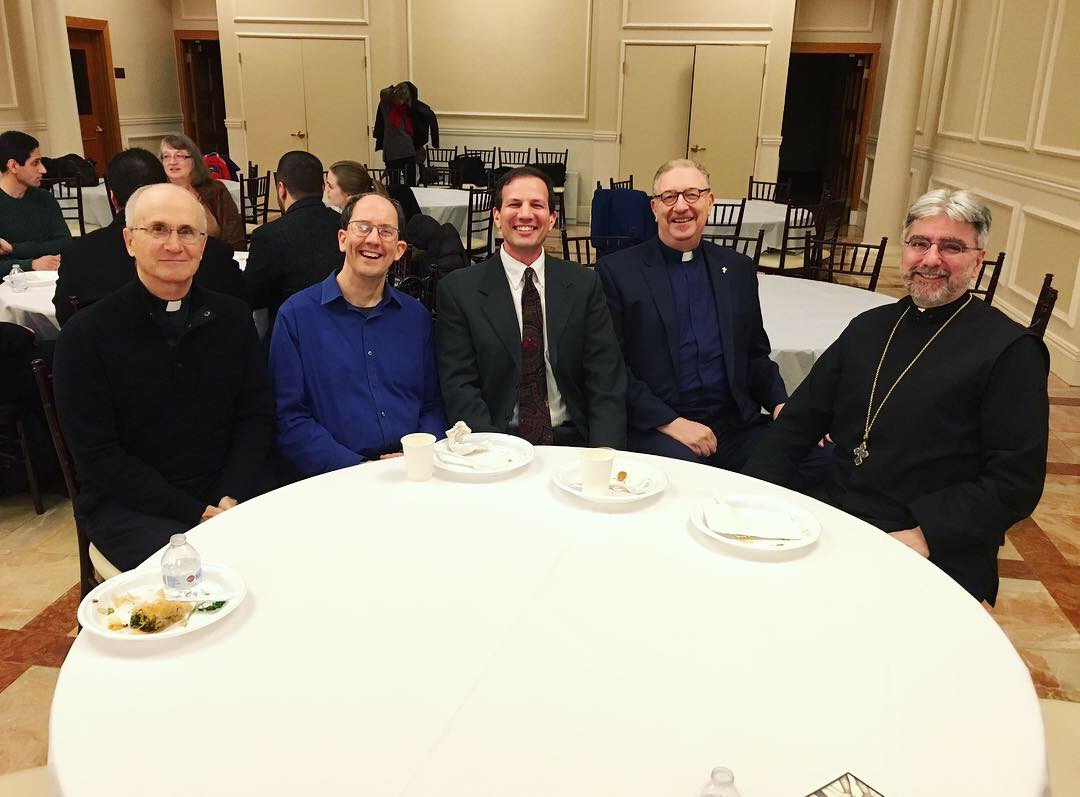
We are grateful to these clergy and priests who have served as ecumenical pillars in leading the work towards Christian unity. This group represents Catholic, Lutheran, and Greek Orthodox traditions.

Night 8: Taize Prayer Service

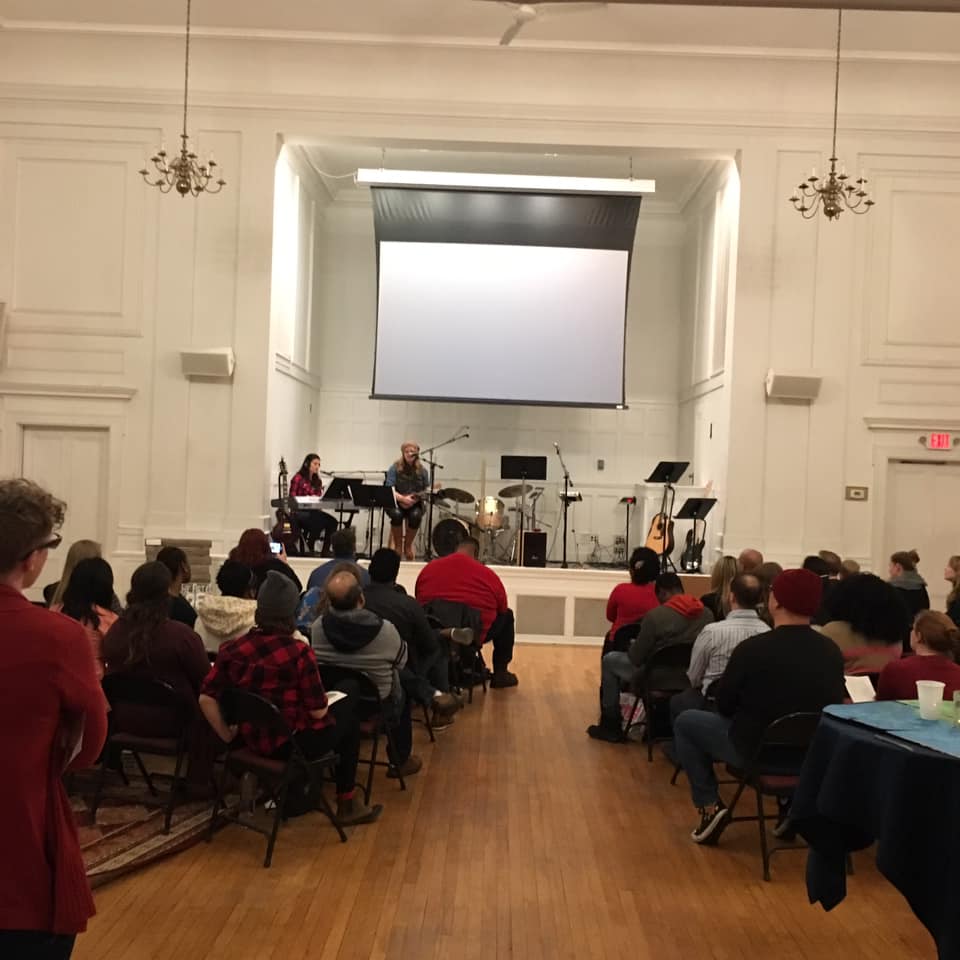
The concluding gathering for the Week of Prayer for Christian Unity was Taize Prayer at the MIT Chapel. Taize prayer connects people with God though contemplation, prayer, and melodic singing and has an international message of Christian reconciliation and unity. Together, we will continue to pray, “Lord our God, you have revealed yourself as One who wishes to bring about justice and true peace among people. Be present with your church, Lord, as we respond to your call. Set us free from pious exercises that prevent us from the true worship you choose: Sharing bread with the hungry, sharing homes with the homeless, sharing clothes with the naked, sharing hearts with our own kin. May your justice roll down like waters, your righteousness like an ever-flowing stream. Lead our footsteps to stand with the poor, that we might stand with you.”


Experiences & Stories

“During the discussion at the Jamaica Plain dinner, I was struck by the emphasis on place in the week’s theme passage from Deuteronomy, which describes the need to pursue justice “in all your towns that the Lord your God is giving you… that you may live and inherit the land that the Lord your God is giving you.” Our conversation reminded me that my specific neighborhood is not only a calling but also a gift to me, and I am so excited to continue building these new relationships with neighbors!”
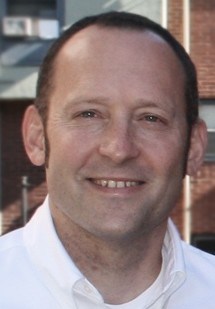
-Kate Devane Brown, UniteBoston Jamaica Plain Neighborhood Dinner Coordinator and member of Mosaic Boston

“I thoroughly enjoyed my visit to the Anunciation Cathedral of Boston and worshiping God in the tradition of a Greek Orthodox Vespers Service, which I attended as part of the Week of Prayer for Christian Unity. The service was beautiful in spirit and in ritual and Rev. Tonias’ explanation of the Orthodox tradition and liturgy following the service was a total treat…fascinating and inspiring and enlightening!”
-Matt Crane, Director of Christian Education for the Presbyterian Church in Sudbury, and Director of the WEE Forum for the Institute for Christian Unity

“I love how UniteBoston has embraced this important international expression of ecumenism that has been around for decades and integrated it with UB’s vision to bring all the streams of Christianity together to enjoy and learn from one another. This year’s theme “Pursue Justice, Only Justice” helped me to understand how critical “pursuit” is to not only justice, but unity and so much more. We had an enlightening discussion at the Medford/Malden neighborhood dinner I attended: We realized that unity and justice are not things we can create but only pursue, with the help and guidance of the Holy Spirit. And pursuit means placing yourself in settings outside your familiar faith communities – like an Orthodox or Episcopal Cathedral. Each time I set foot in these unfamiliar places, God blesses me in unexpected ways with new relationships and perspectives. I am realizing that unity and justice grow out of the pursuit of those new relationships and perspectives rather than pursuing them in and of themselves.”
-Rev. Dana Baker, UniteBoston Board Member and Pastor of Social Justice, Multicultural Ministry, Grace Chapel

“Worshipping with believers from different streams of the church at the Saturday service at St. Paul’s made me thankful for all the hard work Kelly and the team at Unite Boston have put into promoting the unity of believers in our city.  I had several significant discussions with people I had never met after the service that were uplifting and which made me glad to have been at the service.  God is good.”
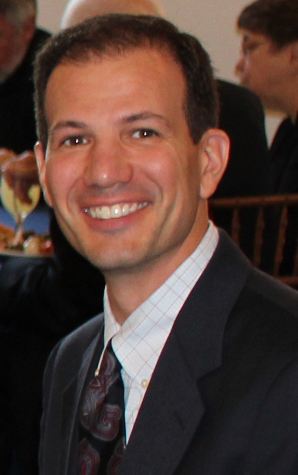
-Pastor Dave Hill, Abundant Grace Church

“This year it was a pleasure to see the Deacons of the Roman Catholic Archdiocese of Boston at so many of the Week of Prayer for Christian Unity events. The services I went to were incredibly beautiful manifestations of our bond in Christ and the desire to complete that unity.”
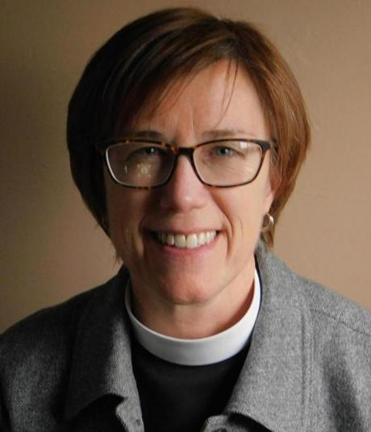
-Vito Nicastro, Member of the UniteBoston Board and Associate Director of the Office for Ecumenical and Interreligious Affairs of the Roman Catholic Archdiocese of Boston

“Given the divisiveness and fear in the air all around us these days, as well as the injustices that threaten to overwhelm our hearts and hope, it was deeply nourishing to stand together affirming our commitment to one another and to a better future.”
-Amy McCreath, Dean of the Cathedral Church of St. Paul in Boston

“The Week of Prayer for Christian Unity is not meant to be the only time we come together as followers of Jesus, but an energizer for our doing so throughout the year. The wonderful cornucopia of dinners, discussions and prayer services during the week here have likely lit that fire in the hearts of many. Let’s keep the fire burning! Winter is not the only season Jesus’ heart needs warming in seeing his followers join hands and hearts and voices.”
-Fr. Tom Ryan, director of the Paulist North American Office for Ecumenical and Interfaith Relations at the Paulist Center in Boston

“At the Malden/Medford neighborhood dinner, I learned three things:
-We should make choices to get to know others of different backgrounds, even when it’s messy
-We should start each endeavor asking, “how can I seek unity in this?”
-We should remember that seeking unity means unity comes from God rather than our tired efforts to create it.
If we do these things, we will be closer to the will of God and to the rest.”
-Rebekah Kerstetter, leader of the UniteBoston Neighborhood Dinners in Malden/Medford and member of Highrock in Arlington

“I’m always encouraged to see the number and diversity of people who God has called to his service in Boston, and of their visions for his Kingdom work here.  The Week of Prayer for Christian Unity reminded me that the grandness of God’s redemptive work for our city (and country, and world) extends far beyond the imagination of my own congregation!”

-Jeremy Wolcott, member of Park Street Church


Written by uniteboston · Categorized: Blog · Tagged: christian unity, grace chapel, lent, uniteboston, worship and prayer

  • « Previous Page
  • 1
  • …
  • 14
  • 15
  • 16
  • 17
  • 18
  • …
  • 31
  • Next Page »


Give to Further Christian Unity

DONATE!

  • Email
  • Facebook
  • Instagram
  • YouTube

Copyright © 2026 · UniteBoston · Built on WordPress